At a glance
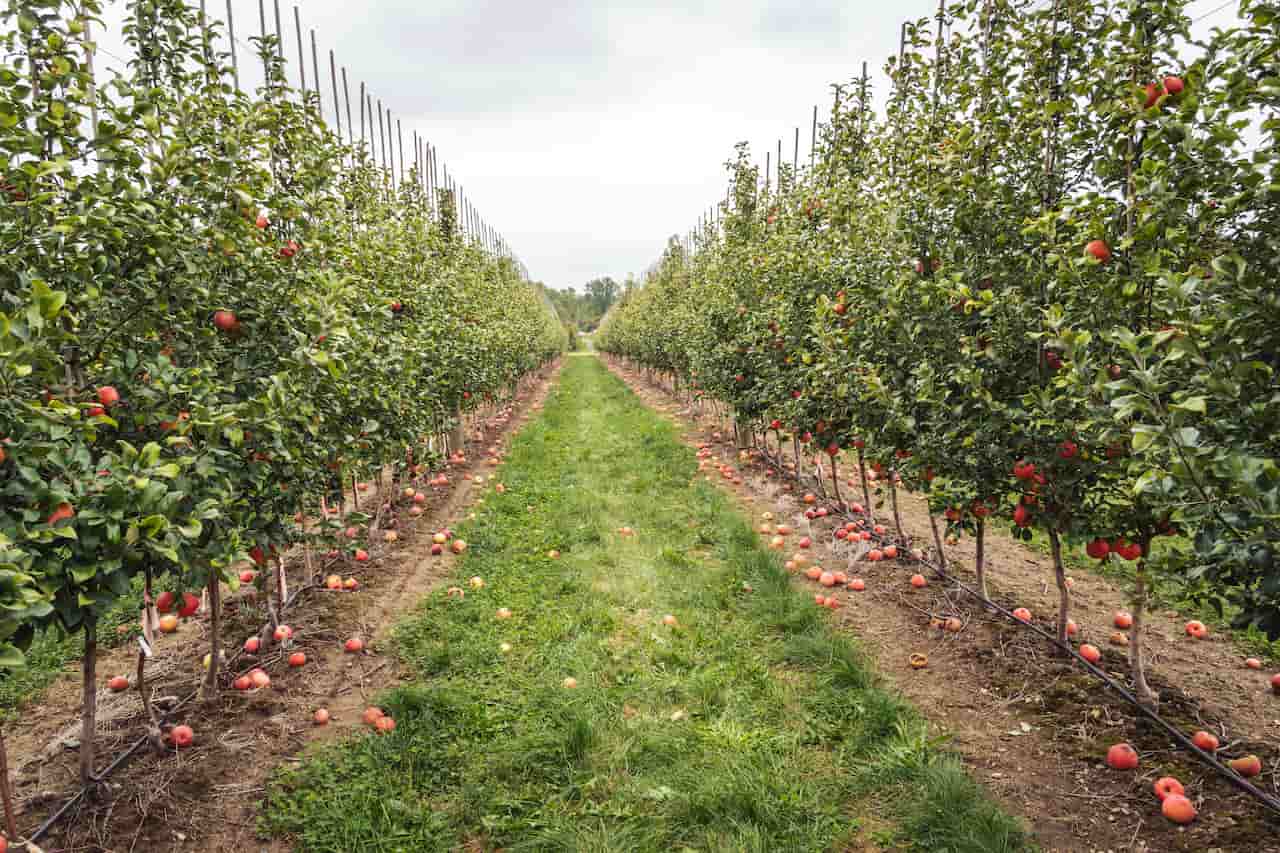
A community orchard is one of the most long-lasting contributions a local group can make to shared green space. Unlike a vegetable garden that needs replanting each season, a well-established orchard produces fruit for decades – apple, pear, plum, cherry and quince trees planted today will still be producing harvests for grandchildren. The combination of food production, wildlife habitat, community gathering space and visual appeal makes orchards particularly compelling for funding applications and for securing land use agreements from local authorities and landowners who would not grant access for more intensive uses. The UK lost more than half its traditional orchard area between 1950 and 2000, which means there is strong conservation and biodiversity argument alongside the practical food-growing case for establishing new ones.
Starting a community orchard requires a different approach to starting a community vegetable garden. The timescales are longer – trees take 3-5 years to produce significant crops – and the land area needed is larger. But the ongoing volunteer commitment is lower than a vegetable garden once the trees are established, because fruit trees require attention primarily in winter (pruning) and autumn (harvest) rather than throughout the growing season. This makes community orchards a particularly good fit for volunteer groups that cannot commit to weekly growing sessions but can organise two or three major work days per year. The fruit produced is also a highly visible and tangible community benefit – a harvest event where local people pick their own apples, pears and plums from trees that were planted by the community creates a connection to place that few other green space projects can match.
Choosing a Site
The minimum practical size for a community orchard is around 0.1 acres (approximately 400 square metres), which accommodates 10-15 trees at standard spacing. Smaller sites are possible with dwarf or semi-dwarf rootstocks, but the visual impact, wildlife value and harvest volume of very small orchards can feel underwhelming. Larger sites of 0.5 acres or more allow for a traditional orchard structure with standard trees spaced 7-10 metres apart, grass managed as a wildflower meadow beneath, and the full range of fruit species represented. If the site is in a conservation area or contains existing trees, check with the local planning authority before carrying out any groundwork – tree preservation orders are common on established orchard sites. Funding for community orchards is available from several sources including the National Lottery Community Fund, Woodland Trust and various county wildlife trusts, many of which offer direct tree-planting grants that significantly reduce the cost of establishment.
Choosing the Right Trees
Rootstock selection is as important as variety choice in a community orchard. MM106 semi-vigorous rootstock is the best all-round choice for community orchards: trees reach 3.5-4.5 metres in height, begin fruiting in year 3-4, are manageable from the ground without ladders for most of their productive life and are robust enough to cope with competition from orchard grass. M25 standard rootstock produces larger, longer-lived trees (5-7 metres) that need more space and take 5-7 years to fruit but are more impressive visually and represent the traditional English orchard character. M9 and M26 dwarfing rootstocks are not suitable for community orchards on grass – they require staking indefinitely and feeding intensively, neither of which is realistic in a volunteer-managed situation. If the budget allows, a mix of MM106 trees for earlier crops and one or two M25 standards for long-term impact gives the best of both.
For apple variety selection, prioritise traditional varieties with local connection where possible – many counties have heritage apple varieties that carry cultural significance and are not available in supermarkets. Including a mix of early, mid and late season varieties extends the harvest period from August through to November, avoiding the situation where the entire crop is ready simultaneously and volunteers cannot process it quickly enough. Always include at least two compatible pollination groups in an apple orchard, or choose self-fertile varieties such as Grenadier, Discovery or James Grieve for small orchards where cross-pollination cannot be guaranteed. Local fruit collections at National Trust properties and RHS gardens are excellent sources of inspiration for variety selection, and many counties have orchard conservation groups who can advise on appropriate heritage choices for the local area.
Planting and Setup
Plant bare-root trees in winter for significantly lower cost. Container-grown fruit trees are available year-round but are substantially more expensive than bare-root stock. Bare-root trees planted between November and March establish just as well as container trees and cost roughly half the price per tree – a significant saving when planting 10-20 trees for a community project. Order from specialist fruit tree nurseries rather than garden centres for a wider variety selection, better rootstock advice and the option to specify heritage varieties that most garden centres do not stock.
Year-Round Management
The most overlooked aspect of community orchard management is succession planning. The people who plant the trees will not always be available to manage them, and a community orchard without documented management plans and trained volunteers will deteriorate rapidly once founding members move on. Building orchard management skills across a wide group – rather than depending on one or two knowledgeable individuals – and documenting annual tasks in a simple calendar that any volunteer can follow are the two most important steps toward a genuinely long-lasting orchard project. The Trees for Cities charity and the Orchard Network both offer support and guidance for new community orchards across the UK, including advice on funding, planting grants and management training, which are worth exploring in the planning phase before the first tree goes in the ground.
Share on socials: