At a glance
A small garden is not a limitation. It is a constraint that, handled well, forces smarter decisions than a sprawling plot ever would. The gardeners who grow the most food from the least space are not the ones with the biggest budgets or the most hours – they are the ones who understand how space, time and plants interact. They grow vertically when they have run out of ground. They follow one crop immediately with the next so no bed ever sits empty. They choose varieties that produce heavily over a long season rather than ones that give a single flush and are done. And they understand that a small productive garden is not a vegetable plot squeezed into a small space – it is an entirely different way of thinking about growing.
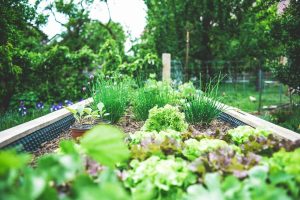
This guide brings together all the core techniques that make the difference in compact growing spaces across the UK. Whether you are working with a 3×3 metre courtyard, a single raised bed, a terrace or a small back garden that needs to earn its keep, the same principles apply at every scale. The goal is not just to grow more from less – it is to grow better, more deliberately, and with something to harvest in almost every month of the year.
Think in three dimensions – vertical growing
The single most powerful change a small-space grower can make is to stop thinking about their garden as a flat surface and start thinking about it as a volume. Every fence, wall, arch, trellis and obelisk is a growing surface that most gardeners leave completely unused. A 2-metre fence running the length of a small garden represents more growing area than many people have on the ground – and it is growing area that does not compete with paths, seating or access.
The key to vertical growing is matching the plant to the structure. Climbing beans and peas are the most productive vertical crops for most UK gardens – a single wigwam of runner beans grown from a 1-square-metre base will produce more food than almost any horizontal equivalent. Cucumbers and courgettes can both be trained vertically with a little effort, reducing the sprawl that makes them impractical in small beds. Squash can be grown up a robust arch with the fruits supported in netting hammocks. Even tomatoes, grown as cordons rather than bush varieties, are fundamentally vertical plants that ask for very little ground space in return for enormous yields.
South and west-facing walls are growing gold. A warm wall facing south or west creates a microclimate 2-3 degrees warmer than open ground – warm enough to ripen fruit and extend the season at both ends. Peaches, nectarines, figs and apricots that would struggle in the open will crop reliably trained against a sunny wall. Do not waste this resource on a shed or plain fence panel.
High-yield crops for small spaces
Not all vegetables are equally worth growing in a limited space. Crops that take up large amounts of ground for a relatively small return – maincrop potatoes, parsnips, large cabbages, Brussels sprouts on tall stems – are genuinely poor choices for compact gardens. They are not bad crops, but they use space that could be doing far more work. The alternative approach is to prioritise what growers sometimes call “cut-and-come-again” crops, high-value crops that would cost a lot to buy, and fast-maturing varieties that free up space for the next sowing within weeks.
The most productive small-garden crops in the UK context are cut-and-come-again salad leaves, climbing French and runner beans, courgettes (one or two plants is usually more than enough for a household), tomatoes grown as cordons, perpetual spinach and chard, herbs – particularly basil, parsley, chives and mint – and radishes and spring onions as fast-maturing gap-fillers. All of these reward the space they take with yields that far exceed what you would get from buying equivalent amounts at a supermarket, and many of them are simply better quality when grown at home and used the same day.
Succession planting – never a bare patch
Succession planting is the practice of following one crop immediately with another so that no bed ever sits empty and unproductive. In a large garden this is a nice habit. In a small garden it is essential – every empty square metre is wasted growing time that cannot be recovered. The principle is simple: as soon as one crop finishes or is harvested, something else goes in. In practice this requires a little forward planning, because the next crop needs to be ready to plant out at exactly the right moment.
The most effective succession sequences in UK gardens follow the logic of the seasons. Early potatoes harvested in July free up space for autumn brassicas or a final sowing of quick salads. Broad beans cleared in June or July make ideal space for French beans or courgettes that will carry the bed through to autumn. Spring-sown lettuce that bolts in summer heat is replaced by beetroot, spinach or kale that will crop into winter. The rhythm, once established, means the garden is never standing still and the harvest is spread across the maximum possible number of weeks.
Companion planting in small gardens
Companion planting – the practice of growing different plants in close proximity specifically because they benefit each other – is often talked about in gardening but less often put into practice in a systematic way. In a small productive garden it has a particular value because the space constraints that make monoculture blocks impractical (you simply cannot dedicate a large bed to one crop) create the conditions for genuinely effective plant partnerships by default.
The most evidence-based companion relationships are those that use one plant to deter pests that attack another, those that involve nitrogen fixers growing alongside heavy feeders, and those that use deep-rooted plants alongside shallow-rooted ones so both can access different layers of the soil without competing. The three sisters combination – sweetcorn, climbing beans and squash grown together – is the most famous example of the last type: the beans fix nitrogen for the corn, the corn provides support for the beans, and the squash covers the ground to suppress weeds and retain moisture. It is both productive and beautiful.
Productive meets beautiful – edible ornamentals
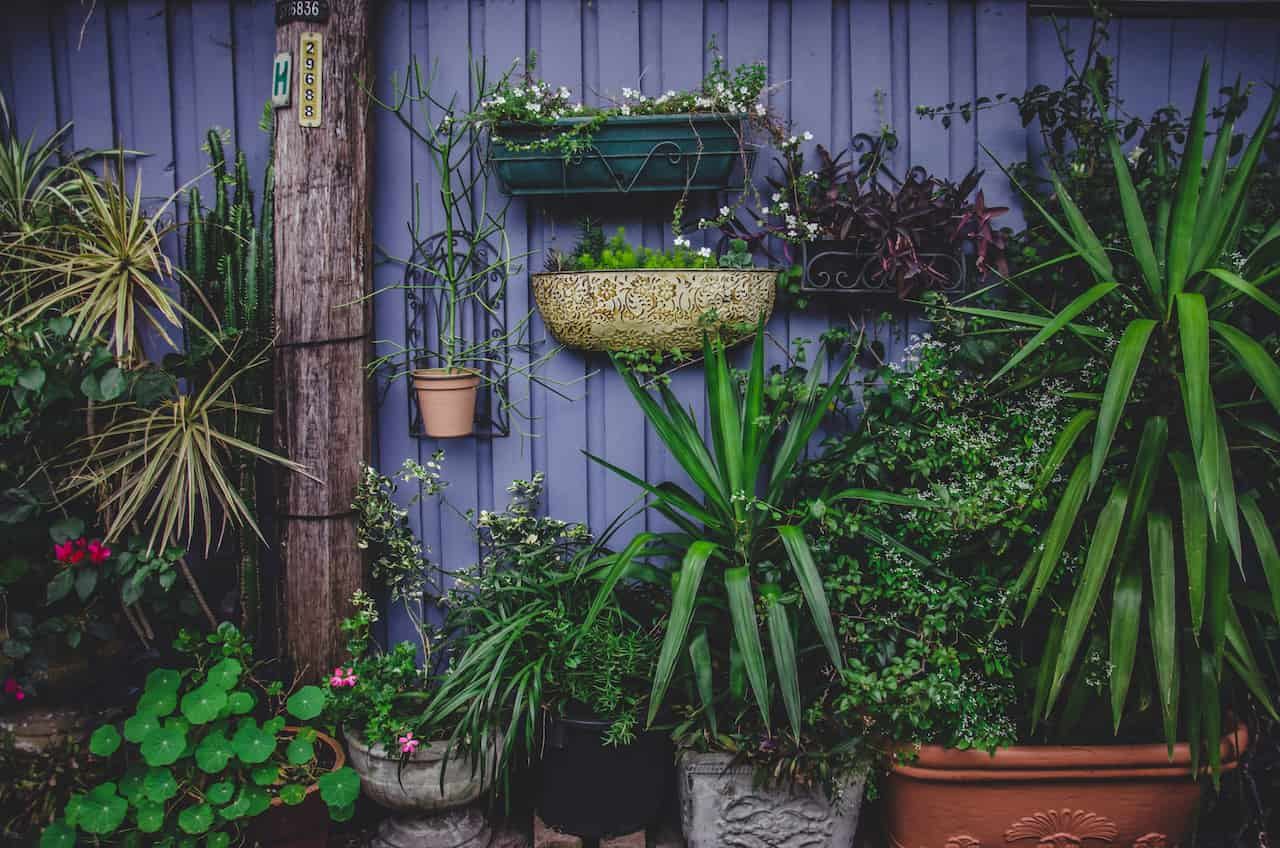
One of the tensions many small garden owners feel is between growing food and having a space that looks appealing – particularly in a garden that is also used for sitting, entertaining or play. This tension is almost entirely unnecessary. Many food crops are genuinely beautiful plants in their own right, and the list of plants that do both jobs – produce something useful while contributing colour, texture and structure to the garden – is longer than most people realise.
The key insight is that a productive garden does not have to look utilitarian. Climbing beans in flower are as attractive as many ornamental climbers. A well-grown courgette plant has enormous architectural leaves and vivid yellow flowers. Rainbow chard in its mixed forms is one of the most visually striking plants you can grow at any scale. Nasturtiums, borage, pot marigolds and sweet peas all do genuine pest-control work alongside their decorative roles. And fruit trees – even a single trained espalier apple – give a garden structure, blossom and fruit that no purely ornamental equivalent matches across three full seasons.
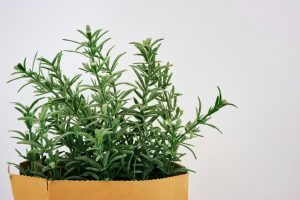
Herbs are the single best investment in a small productive garden. Herbs take up little space, produce continuously when harvested regularly, attract pollinators and beneficial insects, and represent enormous value compared to buying them fresh – a bunch of basil that costs over a pound at a supermarket can be harvested from a single plant all season for the cost of one seed packet. Grow them in containers near the kitchen door for maximum convenience.
Common small garden mistakes
Most small garden underperformance comes down to a predictable set of errors. The most damaging is overcomplicating the plan at the start and then getting overwhelmed – a single productive raised bed managed well consistently outperforms three beds neglected badly. Start small, get the system working, then expand. The second most common is choosing the wrong crops for the space: large, low-value brassicas and root crops that sit in the ground for months, when the same space could be cycling through two or three high-value crops in the same period. The third is the assumption that more fertiliser, more water and more intervention equals better results, when in practice attentive observation and timely action on small problems consistently beats constant intervention.
Slugs are the single biggest threat to a small productive garden. In a compact space where every plant counts, slug damage to young seedlings can wipe out an entire succession sowing overnight. Raised beds with copper tape edging, nematode treatments applied in spring and autumn, and evening patrols with a torch are the most effective controls. Never underestimate how much damage a small slug population can do in a confined space with high plant density.
Share on socials: