At a glance
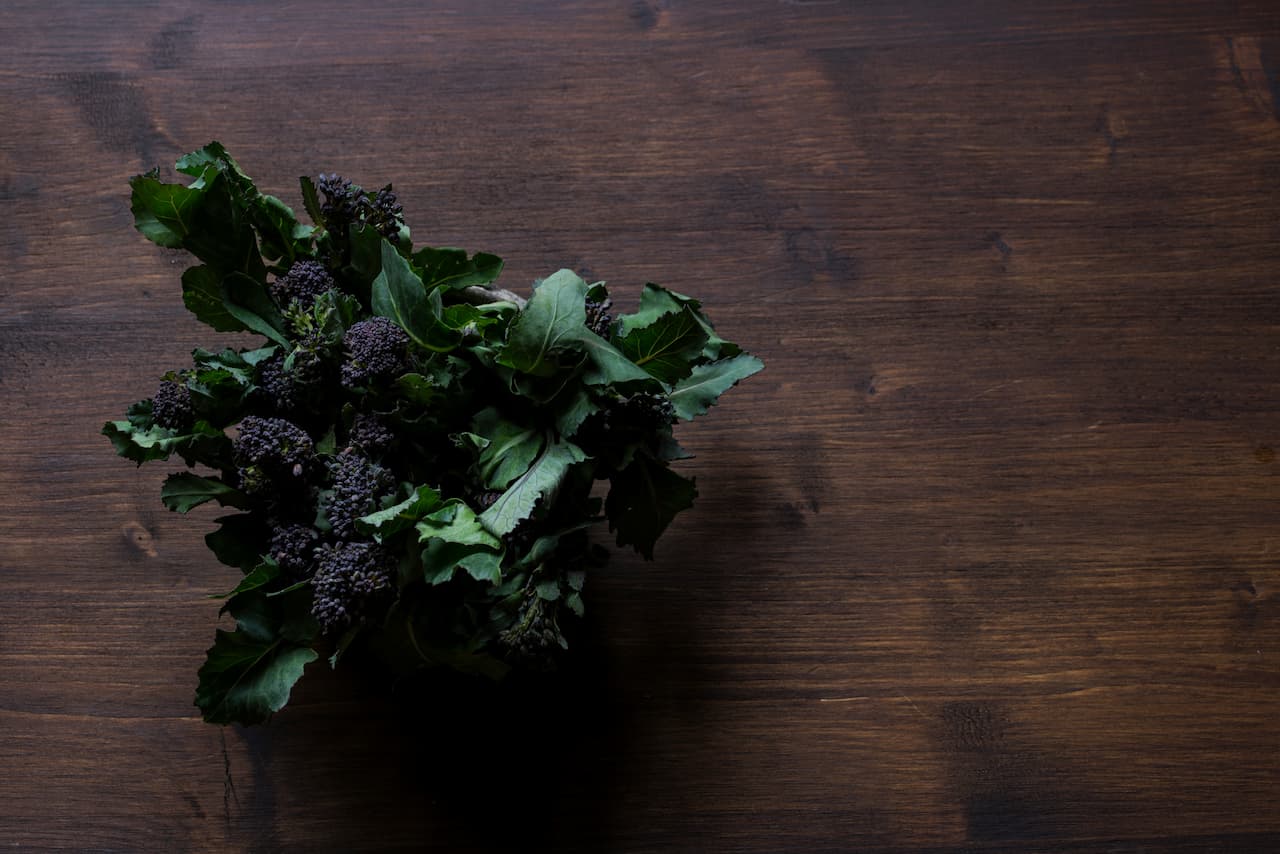
Purple sprouting broccoli is one of the most rewarding vegetables you can grow in a UK garden. It occupies ground over winter and delivers a harvest in late winter and early spring, precisely the hungry gap when very little else is ready. Heads are cut from February through to April depending on variety and the season. The flavour is noticeably better than supermarket broccoli, and fresh-cut spears cooked within minutes of harvest are in a different category from anything bought in a bag.
It is a brassica in the same family as cabbage, kale and Brussels sprouts, and it shares their growing requirements. Plants are large, growing to 90cm or more in height, and they need to be in the ground before mid-summer to produce a worthwhile harvest. The long growing season, from sowing in spring to harvest the following winter, is the main reason many gardeners overlook it. It takes planning. But for those willing to commit the ground, the reward from February onwards is substantial.
What purple sprouting broccoli is and why it is worth growing
Purple sprouting broccoli differs from calabrese, which is what supermarkets sell as broccoli and which produces a single large central head in summer. PSB produces numerous small spears over an extended period in late winter and early spring and is a cut-and-come-again crop. The more frequently you cut, the more spears the plant produces. A single well-grown plant can provide four to eight weeks of harvest, and a row of plants with staggered varieties can keep a household in fresh greens from late January to mid-April.
It is also one of the most nutritious vegetables you can grow. The spears are rich in vitamins C and K, folate and glucosinolates. The flavour of home-grown PSB has a sweetness and tenderness that commercial product, which is harvested early and stored, cannot match.
Varieties
Choosing the right varieties matters because they differ significantly in harvest timing, which you can use to extend the season across two to three months. Growing a combination of early and late types is the most effective strategy for a long continuous harvest.
Rudolph is one of the earliest varieties available, producing well-coloured purple spears from November in mild conditions and reliably from February across most of the UK. Early Purple Sprouting and Late Purple Sprouting are the most widely available types and together cover February through April. Red Arrow has a slightly more upright growth habit and good resistance to spring winds. White Sprouting Broccoli produces creamy white heads from March to April with a milder flavour and is worth growing alongside purple types for variety.
Nine Star Perennial Broccoli is a different type entirely, a perennial plant producing multiple white heads each spring for several years before gradually declining. It is worth knowing about for a dedicated permanent bed, but it is not the same as annual PSB and should not be confused with it.
Sowing and transplanting
Purple sprouting broccoli is almost always started from seed. Sow indoors or in a cold frame from March to May. April is the ideal sowing month for most UK gardens because it gives plants enough time to develop good root systems before going into the ground, without getting too large and leggy in their pots. PSB can also be direct sown outdoors from April to June into a prepared seedbed, thinning to 15cm apart initially and transplanting to final spacing when large enough. This works well in sheltered gardens and avoids the need for indoor propagation.
For indoor sowings, sow seeds 1cm deep in small modules or a seed tray of fine compost. Germination takes five to ten days at temperatures between 10 and 20 degrees Celsius. Prick out into individual 7cm pots once seedlings have their first true leaves. Grow on in a cold frame or cool greenhouse until they are 10 to 15cm tall, typically four to six weeks after sowing. Harden off over ten to fourteen days before planting out. Transplant to final positions from May to July. Do not transplant later than mid-July or plants will not have enough growing time before winter.
April is the ideal sowing month. Sow too early and plants get too large and leggy before they can go outside. Sow too late and they do not have enough growing time. An April sowing transplanted in June gives plants four months to establish before winter begins.
Soil preparation and planting
Purple sprouting broccoli needs fertile, firm, deeply prepared soil. Dig the bed in autumn or early spring and incorporate well-rotted manure or compost. Firm the soil very well before planting. Brassicas planted in loose, recently dug soil are more likely to rock in winter winds, which disturbs roots and slows growth. Firm soil is essential for stable, productive plants.
Soil pH should be 6.5 to 7.5. Acid soil promotes club root, the most serious disease of brassicas. Test the pH and add lime if necessary, ideally in autumn before spring planting, allowing at least two to three months for it to take effect. Plant at a spacing of 60cm between plants and 75cm between rows. These are large plants and crowding leads to poor air circulation, increased disease and competition for nutrients. Deeper planting than the seedling was growing is fine, burying the stem slightly to anchor the plant against wind. Firm in very well and water immediately.
Purple sprouting broccoli must not follow another brassica in the rotation. Leave at least a three-year gap between brassica crops on the same ground to reduce disease buildup, particularly club root. This is not optional. Club root once established can persist in soil for up to twenty years.
Ongoing care
Watering is most critical in the weeks immediately after transplanting and during dry spells in summer. Once established with a good root system, PSB is quite drought-tolerant and does not need watering in wet UK autumns and winters. Feed with a nitrogen-rich fertiliser six to eight weeks after planting to encourage leafy growth before the plant switches to flower production. A second feed in late summer helps build the reserves needed for winter and spring cropping. Do not feed heavily in autumn or winter as this pushes soft growth that is vulnerable to frost damage.
Staking is essential for tall plants, particularly in exposed gardens. Plants reaching 90cm in height are vulnerable to wind rock, especially once heavy heads develop in late winter. Stake each plant individually with a cane, or use a wire support around each plant. Earth up the stems slightly in autumn, drawing a ridge of soil around the base to anchor them. Remove yellowing outer leaves as they appear as these provide habitat for slugs and can carry fungal disease to the rest of the plant.
Harvesting
Cut the central head first when it is well-developed but before the individual flower buds begin to open. This encourages the plant to produce multiple side shoots which extend the harvest over several weeks. If you allow the central head to flower, the plant puts energy into seed production and the cropping period is dramatically shortened. After the central head is cut, side shoots develop from the leaf axils along the stem. Cut these regularly, every few days when the plant is cropping freely, again before the buds open. Regular cutting is the key to a long harvest.
A single well-grown plant can produce spears over four to eight weeks. A row of ten plants, using both early and late varieties, can provide harvests from late January to mid-April. Steam rather than boil to retain colour and nutritional value. The leaves are also edible and can be cooked as a winter green.
Do not let heads flower. Once the yellow flowers open, the spears become woody and tasteless. Cut every few days without fail during the main cropping period. Missing even a week in mild spring weather can mean a plant that has already bolted and stopped producing.
Pests and diseases
PSB faces the same pest and disease pressures as all brassicas, with a few specific concerns given its long season in the ground.
Common problems
Several specific problems recur with PSB that are worth knowing about before they happen.
Share on socials: