At a glance
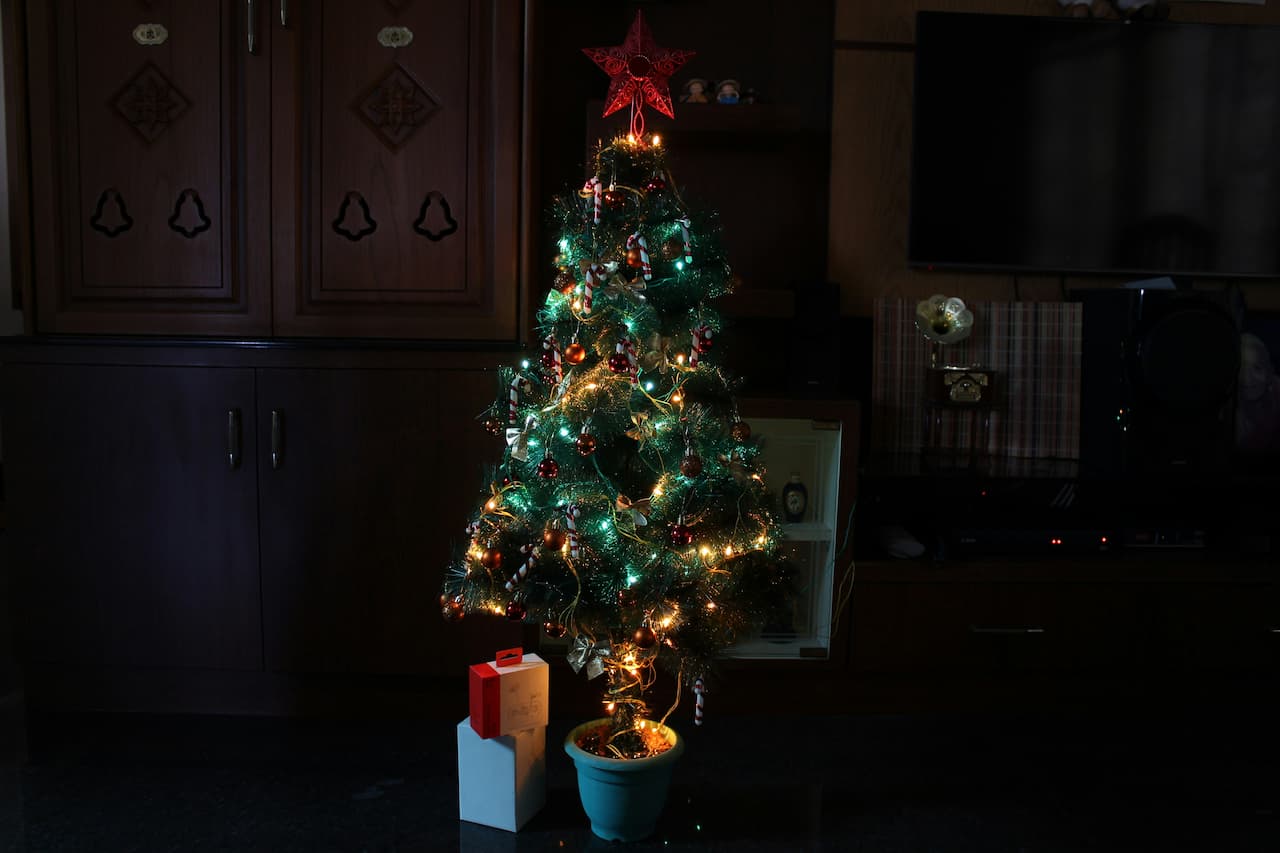
A living Christmas tree is a potted conifer brought indoors for the festive period and returned outside afterwards to continue growing. The root system stays intact throughout, so the tree survives the display period and can be used year after year. For households with outdoor space, this is a more sustainable choice than a cut tree and, with the right species and the right care, can produce a genuinely impressive display without the needle drop and mess.
The two things that separate a successful living Christmas tree from a dead one are species choice and acclimatisation. Get both right and the tree will come through every year looking better than it did the last. Get either wrong and you will be buying a replacement by February.
What a living Christmas tree is
A living Christmas tree differs from a cut tree in one important way: the root system is intact. Cut trees are severed at the base before sale and survive for several weeks on stored water and sugars, but they are already dying when you buy them. A living tree is a growing plant in a pot or root ball, capable of continued growth once returned outdoors. This means it responds to the conditions it is placed in, which is both its advantage and its challenge. Treat it correctly and it thrives. Keep it too warm or too long indoors and it begins to break dormancy, producing new growth that then gets damaged when it goes back out into the cold.
Choosing the right species
The species you choose determines how well the tree performs indoors and what happens to it afterwards. Norway spruce is the traditional choice but performs poorly as a living tree kept indoors for any length of time. Nordmann fir is the best all-round option for most UK households. Blue spruce, Fraser fir and Scots pine each have specific advantages depending on what you want from the display and the garden afterwards.
Buying a living tree
Living Christmas trees are sold from garden centres, online retailers and farm shops from October onwards. Buy as late as you reasonably can before you need the tree indoors, because the longer a potted tree sits in a warm garden centre environment the more it acclimatises to warmth before you even bring it home. Choose a tree with healthy, firm needles that do not fall when you run a branch through your hand. The pot should feel substantial and the root ball should not be loose or rocking inside the container.
Avoid trees where the needles have already turned yellow at the tips or where there is visible mould at the base of the pot. A tree in a very small pot relative to its size has been growing in a constrained root system and will struggle after replanting. Ask the retailer whether the tree is container-grown from the beginning or recently rootballed for the selling season. Container-grown trees have established root systems and cost more, but their success rate after planting out is significantly higher than recently potted field-grown trees.
Acclimatisation before bringing indoors
This is the step most people skip and the one that causes the most failures. A tree that has been growing outside in cold temperatures will be shocked by a sudden move into a warm house, which accelerates needle drop and stresses the root system. Before bringing the tree indoors, move it to a cool transitional space for seven to ten days. An unheated garage, porch, shed or outbuilding works well. This allows the tree to adjust gradually rather than experiencing a temperature change of fifteen degrees or more in one move.
When moving the tree indoors, place it away from radiators, heat vents, log fires and direct sunlight. The cooler the room the better. A hallway, porch or cool sitting room is ideal. A tree placed next to a radiator in a centrally heated living room is in the worst possible position and will struggle regardless of species.
How long to keep indoors
The maximum recommended time for a living tree indoors is ten to twelve days. Beyond this, the tree begins to break dormancy due to the warmth and light, producing new growth that then gets damaged when the tree is returned to cold outdoor conditions. Even for Nordmann fir, which tolerates indoor conditions better than most, twelve days should be the absolute maximum. Many growers recommend aiming for seven to ten days as the ideal period.
The practical timing for a Christmas display is to bring the tree indoors no earlier than around the thirteenth or fourteenth of December and return it outside in the first days of January. Keeping the tree in the coolest room in the house, with the heating in that room kept as low as comfortable, extends the safe indoor period.
Watering while indoors
This is the most common failure point. Living Christmas trees dry out very quickly indoors when central heating is running. The compost should never be allowed to dry out completely. Check it daily and water thoroughly whenever the top few centimetres feel dry. Water until drainage runs from the bottom of the pot, then remove any water that has accumulated in a saucer or tray, as standing water causes root rot. A pot with drainage holes is essential.
Placing ice cubes on the surface of the compost is a practical slow-release watering method that reduces the risk of overwatering and provides the roots with cooler water than the ambient room temperature, which can slow the rate at which the tree acclimatises to warmth. Misting the foliage once or twice a day reduces water loss through the needles and is particularly useful for Norway spruce in a centrally heated room.
Reacclimatisation after Christmas
The return to outdoor conditions needs to be as gradual as the initial move indoors. Do not take a warm indoor tree straight from a heated room to an outdoor position in January cold. Move it back through the same transitional space used on the way in. Leave it in the garage, porch or outbuilding for another seven to ten days before moving it to its final outdoor position.
Returning a tree directly from indoors to cold outdoor conditions in January, particularly during frost, is a common cause of failure. Any new growth that may have started in the warm house is vulnerable to frost damage, and the roots need time to readjust to cold temperatures. This step is just as important as the initial acclimatisation and skipping it causes just as much damage.
Planting out in the garden
Most living Christmas trees are expected to be planted in the ground eventually. The right time to plant is from late February through to May, once the worst frosts have passed. Do not plant during a hard frost or when the ground is waterlogged. Choose a site with enough space for the eventual size of the species. Nordmann fir and Norway spruce are both large trees that will grow to significant height if left unchecked in open ground. These are not suitable for small gardens unless you plan to manage them actively. Blue spruce is slower growing and more suited to a smaller space or continued container growing.
Dig a hole twice the width of the root ball and the same depth. Do not add fertiliser or compost to the planting hole, as this can discourage roots from spreading into the surrounding soil. Backfill with the excavated soil, firm gently and water thoroughly. Stake if the tree is in an exposed position or if the root ball is small relative to the canopy. In the first year after planting, water during dry spells as the tree establishes its root system. Once established, most conifers are drought-tolerant in typical UK conditions and need no supplementary watering.
Growing as a container specimen long term
Households without space for a large garden tree can keep a living Christmas tree as a permanent container specimen that lives outside most of the year and comes indoors each December. Blue spruce and compact cultivars of Nordmann fir are best suited to this, as they grow more slowly and stay manageable in a container for longer.
Repot into a larger container every two to three years in spring as the roots fill the pot. Use a free-draining, peat-free compost and a container with drainage holes. Feed with a slow-release granular fertiliser in spring and again in midsummer. Keep the compost moist but not waterlogged during the growing season and reduce watering in winter while the tree is dormant. In hard winters, wrap the pot itself with bubble wrap or hessian to prevent the root ball freezing solid. The foliage tolerates frost well but roots in a confined pot can be killed by sustained freezing that roots in open ground would survive without damage.
Mark the pot with the year of purchase. A container tree repotted every two to three years can run for a decade or more as an annual Christmas tree. Writing the year on the base of the pot makes it easy to track when repotting is due and gives a satisfying record of a tree that has been part of several Christmases.
Pests and diseases
Living Christmas trees are generally trouble-free but five problems occur often enough to be worth knowing. Vine weevil is the most common container plant pest and the one most likely to cause sudden unexplained decline. Red spider mite is the most likely indoor problem. Root rot is the most common cause of death in both container and newly planted trees.
Toxicity
Norway spruce, Nordmann fir and most common Christmas tree species are not significantly toxic to humans or animals if small quantities of needles are ingested, though the needles are not edible. In cats and dogs, ingestion of large quantities of needles can cause gastrointestinal upset. The more significant risk to cats is that sharp needles can cause internal irritation if swallowed in quantity, so keeping fallen needles swept up is worth doing in households with cats. Water standing in the saucer beneath a potted tree should be kept inaccessible to pets, as fertiliser residues in the water can cause harm if consumed in quantity. Skin irritation is not a significant concern with Nordmann fir or Norway spruce.
Long-term management
A living Christmas tree planted in the garden requires very little management once established. Pruning is not necessary and alters the natural shape. If the tree grows too large for its position, removal is the only practical solution as conifers do not regenerate from old wood when cut hard back. A container specimen kept year-round needs repotting every two to three years, annual feeding and consistent attention to watering through the growing season. The tree can have its lowest branches removed to create a clear trunk if preferred, though this changes the traditional Christmas tree silhouette. A container specimen that has outgrown both its current pot and any larger container that can be practically managed will need planting out or replacing.
Share on socials: