At a glance
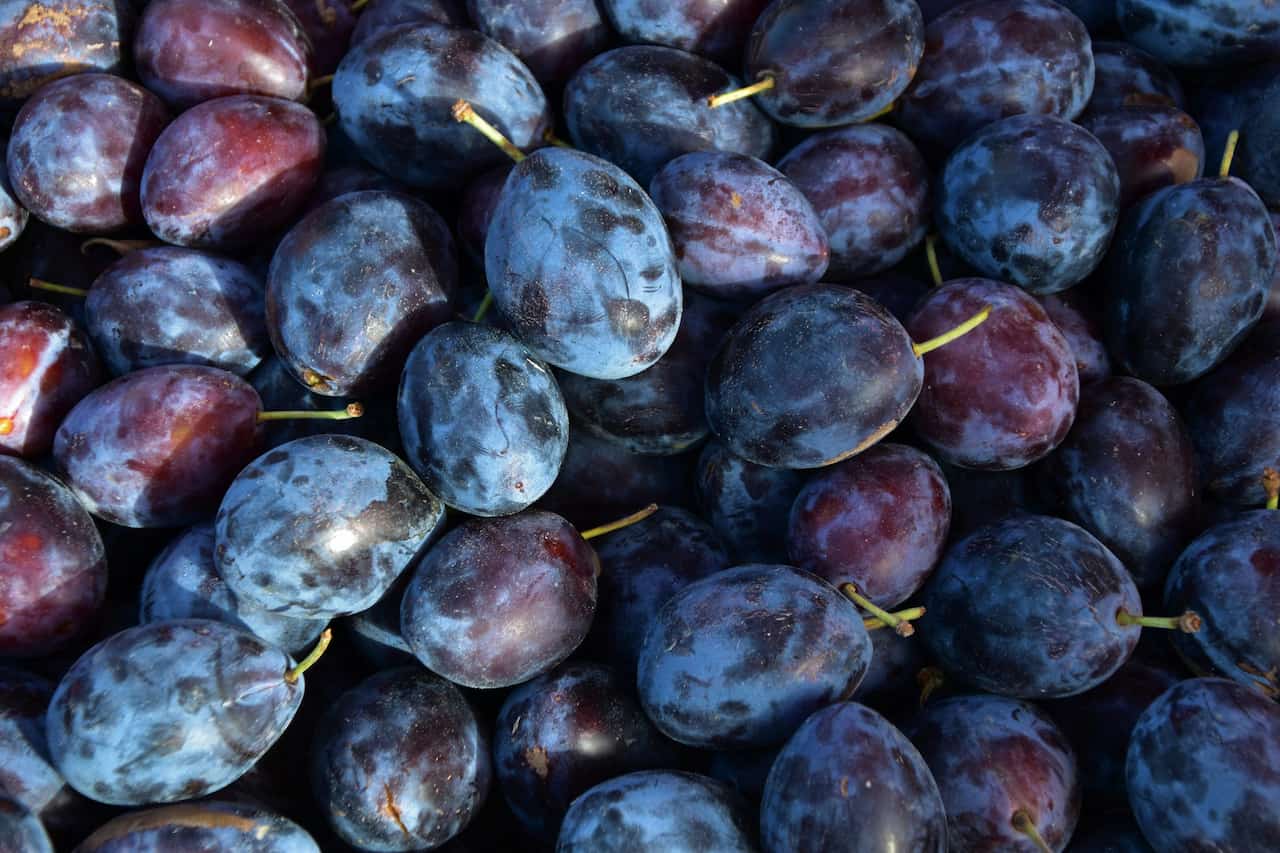
A well-chosen plum tree is one of the most rewarding additions to a UK garden. In a good year – and UK summers suit plums well – a mature tree produces an overwhelming abundance of fruit: sweet, richly flavoured and versatile for eating fresh, making jam, baking and preserving. Victoria, the most widely grown variety in the UK, has been a garden staple for over 150 years for good reason – it is reliable, self-fertile, attractive in blossom and produces heavy crops of large, red-flushed fruit that are excellent for all purposes.
The main considerations when growing plums in the UK are choosing the right rootstock for the available space, understanding the summer-only pruning rule that prevents silver leaf disease, and managing the biennial bearing tendency of some varieties that leads to very heavy crops one year and almost nothing the next. Get these right and plums are relatively straightforward to grow and maintain for decades – a genuinely long-term addition to the garden that improves in productivity as the tree matures.
Best Plum Varieties for the UK
All the main UK plum varieties are self-fertile, which means a single tree will produce fruit without a pollination partner – a significant advantage in smaller gardens where space for multiple fruit trees is limited. Victoria remains the safest choice for reliable cropping across the widest range of UK conditions. Pairing an early variety like Opal with a late one like Marjorie’s Seedling extends the fresh plum season from late July through to early September.
Rootstocks – Choosing the Right Size Tree
The rootstock determines how large the tree will grow and how quickly it comes into bearing. Choosing the right rootstock is the most important decision when buying a plum tree, yet it is often overlooked by gardeners who focus on variety alone. The same Victoria variety on a Pixy rootstock and on a Brompton rootstock will produce trees of dramatically different sizes – one manageable in a small garden, the other eventually requiring a ladder and filling a large space.
St Julien A is the right choice for most UK gardens – it produces a manageable tree of 3.5-4.5m that is easy to maintain and crop without ladders, comes into bearing within 3-4 years and adapts well to most soil types. Pixy is ideal for very small gardens or where the tree is to be grown in a large container or trained as a fan against a wall. Brompton produces impressive, long-lived trees but requires significant space and should only be chosen where the eventual size can be properly accommodated.
Planting Plums
Plant bare-root plums from November to March during dormancy. Choose a sunny, sheltered position protected from late frosts where possible – plum blossom appears early in spring and is vulnerable to frost damage that eliminates the entire crop for that year. A south or west-facing position against a warm wall is ideal in frost-prone gardens. Avoid frost pockets at the bottom of slopes where cold air collects overnight, as these are the positions where blossom damage is most likely in a late frost event.
Dig a wide, shallow planting hole rather than a narrow deep one – the roots spread laterally rather than downward. Incorporate compost into the backfill but avoid adding fertiliser at planting, which can burn newly developing roots. Stake the tree firmly with a short stake positioned at a 45-degree angle to the trunk, which allows the trunk to flex and develop strength while preventing the roots from rocking loose in the soil. Water thoroughly after planting and mulch generously around the base with a 10cm layer of well-rotted compost or wood chip, keeping mulch away from direct contact with the trunk to prevent collar rot developing at the base. In the first spring after planting, water weekly during any dry spells to help the root system establish before the tree has to support its first flush of leafy growth.
Pruning – Summer Only
The most important rule for plum pruning is that it must be done in summer, never in winter. Plums and all stone fruits are highly susceptible to silver leaf disease – a serious fungal infection that enters through pruning wounds. The fungal spores are most active in autumn and winter, making winter pruning a direct route for infection. Summer pruning, done between June and August when the tree is in full growth and wounds seal rapidly within days, is safe. This rule applies to all Prunus species – plums, damsons, gages, cherries, peaches and apricots are all equally vulnerable and must all be pruned on the same summer-only schedule.
Never prune plums, cherries or other stone fruit in autumn or winter. Silver leaf disease spores are most active from October to May. Even a small pruning cut in winter can allow the fungus to enter and begin infecting the wood, which eventually kills entire branches or the whole tree. Always seal pruning cuts on stone fruit immediately with wound sealant paste.
Feeding, Watering and Thinning
Feed plum trees in late February with a balanced fertiliser such as Growmore at the recommended rate, scattered over the root zone and lightly forked in. Top up with a high-potassium feed such as sulphate of potash in May to support fruit development and improve the flavour of the developing crop. Mulch generously each spring with well-rotted compost or wood chip, keeping the mulch away from direct contact with the trunk. Water during dry spells while the tree is establishing in its first two years and during fruit swelling in June and July – water stress at this stage causes small, flavourless fruit and can trigger premature fruit drop that wastes a crop that was otherwise progressing well. A deeply watered tree once a week in dry conditions is more effective than frequent shallow watering.
In a heavy cropping year, thin the fruitlets in June when they are roughly the size of a marble. Remove about half the fruitlets, leaving remaining fruit spaced approximately 5-7cm apart. Thinning feels counterintuitive but prevents branches from breaking under the weight of a very heavy crop, improves the size and quality of the remaining fruit significantly, and reduces the tendency to biennial bearing – the alternating heavy-light-heavy pattern that affects some varieties when they exhaust themselves in a bumper year.
Harvesting
Plums ripen from late July through September depending on variety. Test for ripeness by gently pressing the skin near the stalk – ripe fruit yields slightly to gentle pressure and releases from the stalk with a twist rather than a pull. Flavour is the best guide: fully ripe plums are sweet and fragrant, while underripe ones are hard and sour regardless of their colour. Pick every two to three days as fruit ripens unevenly on the same tree, and handle carefully as ripe plums bruise easily and bruised fruit deteriorates rapidly. Store at room temperature for up to three days after picking, or refrigerate for up to a week. Any surplus beyond what can be eaten fresh is excellent for jam, freezing (they freeze well stoned and halved), crumbles and preserves – a heavy crop from a mature Victoria is genuinely more than most households can eat fresh in the short window of peak ripeness.
Common Problems
Share on socials: