At a glance
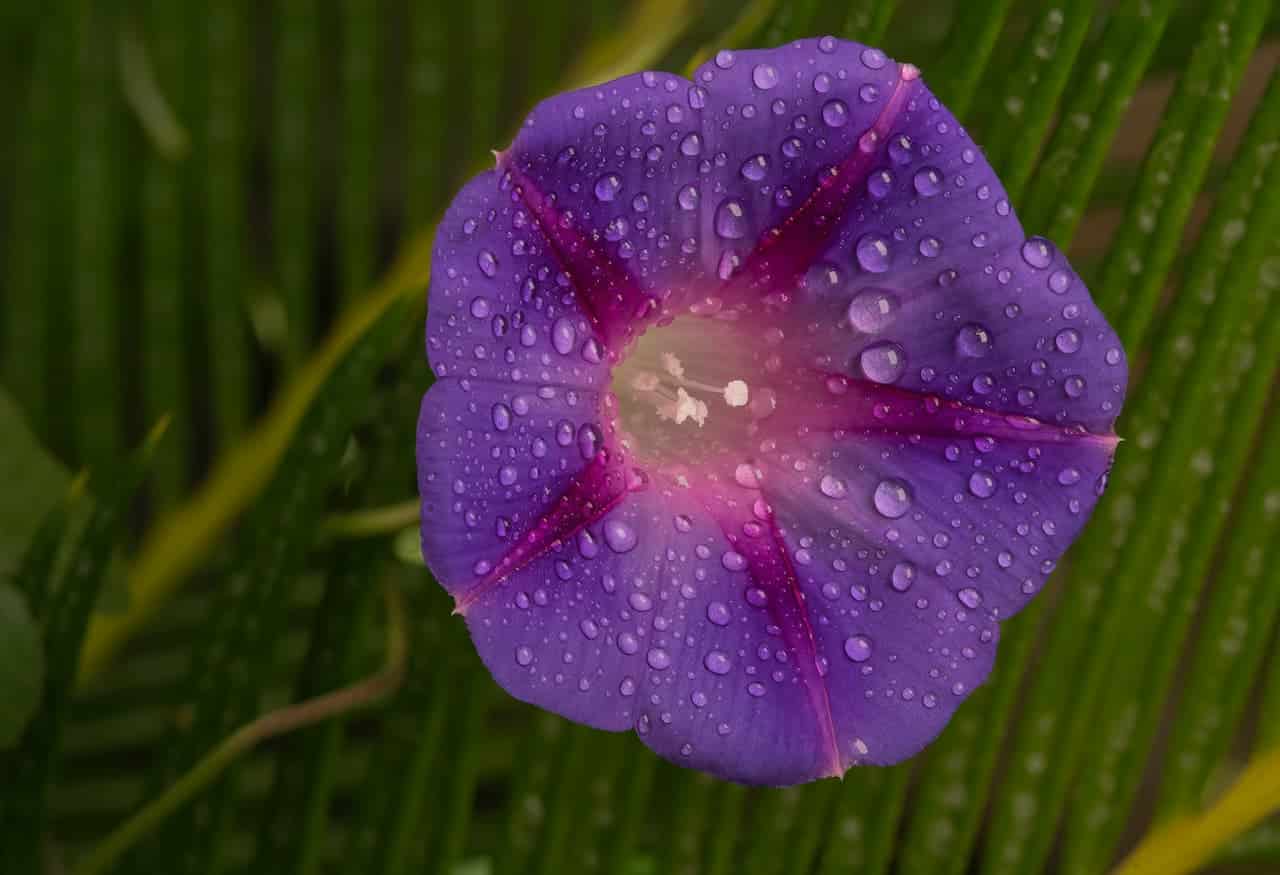
Ipomoea morning glories are among the most vivid and rewarding climbing annuals you can grow in UK gardens. The large trumpet flowers – some varieties reaching 10cm or more across – open fresh each morning in shades of deep purple, cobalt blue, crimson, white and bicoloured, providing continuous colour from July right through to the first frosts. Few climbing plants match the intensity of a well-grown morning glory in full sun, and the speed of growth from seed to first flower in a single season makes them one of the most satisfying annual projects in the garden calendar.
The UK climate presents one meaningful challenge: ipomoea need warmth to perform well, and British summers are variable. In a warm sheltered spot with a south or west-facing aspect and a long warm season, morning glories excel. In a cold wet summer they can struggle to reach their full potential. This guide covers how to maximise results in UK conditions, from the seed preparation tricks that significantly improve germination rates through to the support structures and positions that give plants the best chance through a typically unpredictable British growing season.
About ipomoea
Ipomoea is a large and diverse genus within the family Convolvulaceae, containing around 500 species including the ornamental morning glories (I. purpurea, I. tricolor and their hybrids), the sweet potato vine grown as a foliage plant (I. batatas), and the edible sweet potato. The morning glory species are native to tropical and subtropical regions of the Americas and are grown as annuals in the UK, completing their cycle in a single season from seed to seed. The sweet potato vine is also treated as an annual in Britain as it does not tolerate frost.
The morning glory species are short-day plants in their natural environment, which means they begin to set flower buds as the nights lengthen in late summer – this is why UK-grown plants often only come into full flower in August despite being planted out in June. There is nothing wrong with the plant; it is simply following its natural programming. Understanding this characteristic helps manage expectations and explains why morning glories are at their most spectacular from August to October rather than the full summer-long display that warmer climates produce. This short-day response also means that growing morning glories under artificial lighting extended beyond natural daylight hours can delay flowering significantly, which is worth bearing in mind for anyone growing them near outdoor security lights or in a well-lit urban garden where light pollution extends the perceived day length past sunset.
Sowing and planting out
The single most effective thing you can do to improve morning glory germination in the UK is to nick or scarify the seeds before sowing. Ipomoea seeds have a hard outer coat that can significantly delay germination if left intact. Nicking the seed coat with a nail file or sharp knife at the point opposite the hilum (the small scar where the seed attached to the pod), or soaking seeds in warm water for 24 hours before sowing, dramatically improves germination speed and rate. With seed preparation, germination typically occurs within 5-7 days at 18-22 degrees Celsius. Without it, the same seeds may take three weeks or fail entirely.
Sow one seed per 9cm pot or module to avoid root disturbance at planting out – morning glories resent being separated from each other and the deep tap root does not like being disturbed. Grow on at 15-18 degrees once germinated and harden off carefully over 10-14 days before planting out after the last frost date for your region – typically late May in the south of England and mid-June further north. Plant out at the base of the support structure rather than trying to move already-climbing plants, and water in well.
Nick the seed coat – it makes a significant difference. Run a nail file across the rounded end of the seed opposite the small scar until you see a pale patch beneath the dark outer coat. Just a few strokes is enough. This simple step can improve germination from under 50% to over 85% and cuts days off the waiting time, which is especially valuable in the UK where every week of growing season counts.
Care, support and feeding
Morning glories are vigorous twiners that will climb any structure they can wrap their tendrils around – wire, string, canes, trellis, netting, pergola uprights or existing shrubs and trees. They need their support in place before planting out as the tendrils begin searching immediately after establishment. A vertical run of wire or netting on a south or west-facing wall, fence or fence panel gives the best results in UK conditions. The plant will grow upwards of 3-4 metres in a warm season given adequate support, covering a large area with foliage and flower by late summer. In practice a 2m section of close-mesh wire netting stapled to a south-facing fence provides an excellent climbing frame and allows the plant to spread both up and sideways to fill a wall panel or screen a less attractive structure. The twining habit means the plant largely manages its own attachment without any tying in, though guiding the main shoots in the early weeks after planting out towards the support gets things started in the right direction.
Watering requirements are moderate. Morning glories prefer consistent moisture rather than the drought-tolerant conditions that suit convolvulus tricolor – they produce more flower buds with regular watering and will drop buds and flower early in dry conditions. However, waterlogged soil causes root problems and the plant should never be left sitting in wet compost. For container-grown plants, watering every 2-3 days in warm weather and checking daily in a heatwave keeps the plant performing well. A fortnightly liquid feed with a potassium-rich fertiliser from July onwards encourages continued bud production through late summer and autumn when the plant naturally wants to slow down as temperatures drop.
Best varieties for UK gardens
The I. tricolor cultivars produce the largest and most vivid flowers and are the best starting point for UK growers. I. purpurea varieties are slightly more vigorous and better suited to cooler conditions, which makes them a useful choice for gardens in northern England and Scotland where summers are shorter. The sweet potato vine (I. batatas) is grown primarily for its ornamental foliage rather than flowers and works best in containers where its trailing habit can be shown to advantage.
Common problems and fixes
Morning glories are largely trouble-free once established in a warm sunny position with adequate moisture. The most common issues relate to site conditions – the wrong position is responsible for the majority of poor results – rather than disease or pest pressure. The table below covers the most frequent problems UK growers encounter.
One consideration worth noting for UK gardeners is that all parts of the ipomoea morning glory plant – particularly the seeds – are toxic if ingested. The seeds contain compounds similar to LSD in effect and can cause hallucinations. Keep plants away from children and label them clearly. This applies to the flowering morning glory species rather than the edible sweet potato (I. batatas) which is a different matter entirely. For gardeners building a wildlife-friendly planting, morning glories are excellent pollinator plants with the large open flowers particularly attractive to bumblebees in late summer. Pair with late-season perennials like verbena bonariensis and cosmos to extend the border display through to October.
Share on socials: