At a glance
Window faults range from the minor – a stiff handle, a draught around the frame – to the urgent, such as a cracked pane that lets in rain and cold. The good news is that most common window problems are fixable at home without a specialist. Replacing glass in a single-glazed wooden frame, resealing a draughty casement, replacing a broken handle or adjusting a sagging hinge are all well within the scope of a competent DIYer with basic tools.
Double glazing failures are a partial exception. A misted or condensation-filled double glazed unit has a failed seal between the two panes – the only proper fix is to replace the sealed unit, which means removing the glazing beads and fitting a new unit. The frame itself can stay, and the units are ordered to size from glass merchants for a fraction of the cost of a full window replacement. This guide covers the full range of window faults from minor to major, with clear guidance on what you can fix yourself and when a glazier is the better call.
Assessing the damage
Start by identifying exactly what has failed. Is the glass cracked or broken? Is the frame intact but letting in a draught? Is there misting between the double glazed panes? Is the window difficult to open or close, or will it not latch? Each fault has a different fix. A cracked but intact pane in a single-glazed window needs new glass. A misted double glazed unit needs the sealed unit replaced. A draughty frame needs new weatherstripping. A stiff or loose handle needs the mechanism inspected and possibly replaced.
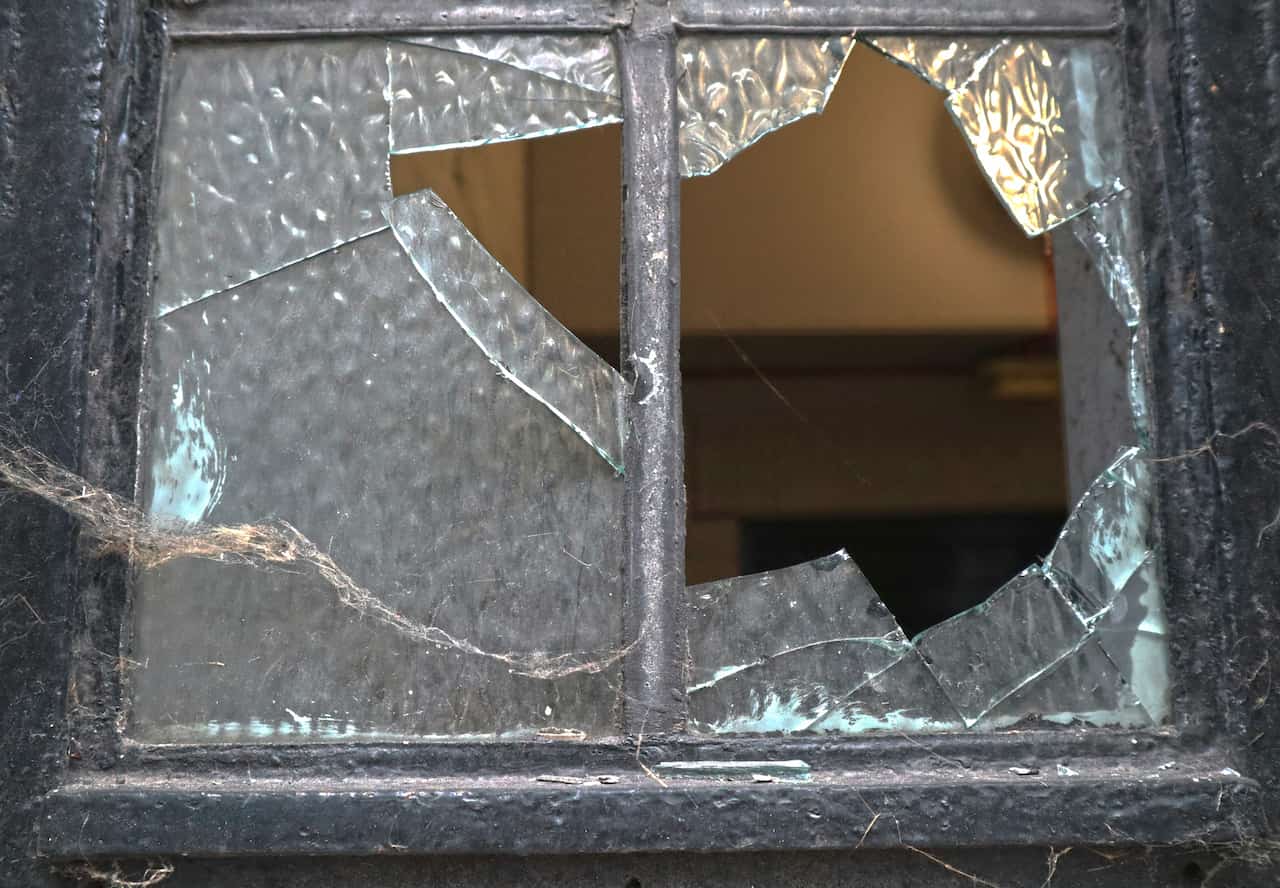
For a cracked pane, cover it immediately with heavy duty tape on the inside as a temporary measure to keep out weather and prevent further cracking while you source replacement glass. For a fully broken pane, remove all loose shards carefully wearing thick gloves and safety glasses, then board up the opening temporarily with plywood. Never leave a broken window uncovered overnight – rain damage to the interior and security risks make this a same-day job.
Replacing single glazing
Replacing glass in a single-glazed wooden frame is a manageable DIY project. Remove the old glazing by carefully chiselling out the old putty around the perimeter – a hacking knife or old chisel works well. Pull the glass forward once the putty is clear. Remove all remaining putty and the old glazing sprigs (small metal pins that hold the glass). Clean the rebate thoroughly and apply a thin bed of linseed oil putty around the whole rebate. Press the replacement glass gently into the putty bed, pushing it in at the corners first and working around. Insert new glazing sprigs every 20-25cm using a pin hammer or a screwdriver tapped sideways. Apply a finishing layer of putty around the perimeter at a 45-degree angle, smoothing with a wetted putty knife for a clean finish. Allow to dry for two to three weeks before painting over.
Have glass cut to size at a local glass merchant – measure the rebate opening and deduct 3mm from each dimension to allow for expansion. Standard 4mm float glass is correct for most domestic windows. Bring the old pane or accurate measurements to the merchant. The total cost of glass, putty and sprigs for a typical window pane is usually under £30.
Measure the rebate, not the old glass. When ordering replacement glass, measure the inside of the frame rebate (the step that the glass sits in) rather than the broken pane itself. Old panes are often cut slightly wrong and perpetuating the error makes for a poor fit. Deduct 3mm from each measured dimension. Your glass merchant will confirm the right size.
Double glazing seal failure
The tell-tale sign of a failed double glazing seal is misting, condensation or a fogged appearance between the two panes of glass that cannot be wiped away. This happens when the hermetic seal around the edge of the unit fails and damp air enters the argon-filled cavity. The fix is to replace the sealed glass unit – the frame can stay. This is a moderately skilled DIY job that requires removing the glazing beads (the plastic strips that hold the glass in the frame), sliding out the old unit and fitting a new one ordered to the exact size.
Measure the existing unit carefully – width and height to the nearest millimetre, and note the overall thickness (typically 24mm, 28mm or 36mm). Order a replacement sealed unit from a glass merchant or online supplier. Units typically cost £50-150 depending on size. Remove the glazing beads using a flat pry bar, sliding from the corner. Lift out the old unit with assistance – double glazed units are heavy. Clean the frame rebate, fit the new plastic setting blocks at the bottom corners to support the unit’s weight, slide the new unit in and refit the glazing beads by pressing them firmly back into their clips. The whole job takes two to three hours with a helper. A failed seal often goes hand in hand with a generally draughty window – addressing it alongside the broader task of improving your home’s insulation makes good sense as a combined winter project.
Frame and draught repairs
Draughts around window frames are one of the most cost-effective DIY fixes available. Self-adhesive foam draught excluder tape applied around the frame rebate where the opening sash meets the frame costs a few pounds and takes twenty minutes to fit. For a better long-term result, use compressible rubber or silicone seal strips rather than foam – these last longer and seal more effectively. On timber windows, gaps where the frame meets the masonry can be filled with exterior-grade flexible sealant applied with a mastic gun.
Wooden frames that have swollen, warped or are no longer square often benefit from light planing on the sticking edge. Work with the door or window open and plane in short strokes along the edge that is catching. Test regularly to avoid taking off too much. Reprime and repaint bare wood immediately after planing to prevent moisture ingress. Condensation on the inside of single-glazed windows is a separate issue caused by the cold surface of the glass – improving ventilation in the room reduces condensation rather than any repair to the window itself. The guidance on EPC ratings is directly relevant here – single glazing is a significant factor in a poor energy rating and upgrading to double glazing makes the largest single improvement to both thermal comfort and EPC score.
Handles and hinges
A stiff uPVC window handle is usually caused by a misaligned multi-point locking mechanism rather than a faulty handle. Open the window and look at the locking points on the frame – if any are slightly out of alignment with their keeps, the handle becomes difficult to turn. Loosen the keep screws, adjust the position of the keep slightly and retighten. A handle that turns but does not latch usually means the gearbox inside the handle has failed – replacement handles are widely available and fit by removing two face-fix screws. Match the spindle size (usually 7mm) and the backset measurement when ordering.
Window hinges that cause the sash to sag or drag can often be tightened by adjusting the hinge screws. uPVC friction stays have adjustment screws that allow the sash to be realigned. If a hinge is genuinely worn or broken, replacement friction stays are available for most standard uPVC windows and clip or screw in without specialist tools.
When to call a glazier
Call a glazier for: any broken glass in a leaded, Georgian-bar or heritage window; any window requiring safety glass (bathrooms, doors, low-level glazing in living areas) where the correct specification must be confirmed; structural damage to the frame beyond what planing and sealing can address; and any situation where you are not confident handling large panes of glass safely. A professional glazier can typically replace a standard sealed double glazed unit for £100-200 including glass and fitting. For full window replacement, get at least three quotes from FENSA-registered installers – FENSA certification is required by building regulations for replacement windows in England and Wales. The energy saving from properly sealed, well-insulated windows feeds directly into lower bills – worth reading alongside the guidance on energy saving through winter to get the full picture of where heat is being lost.
Share on socials: