At a glance
A blocked drain is one of the most common household problems in the UK and, in most cases, one of the easiest to fix without calling a plumber. The majority of internal blockages – sinks, baths and showers – are caused by a build-up of hair, soap scum and grease in the trap or the short pipe immediately below. These clear with a plunger and five minutes of effort. External drain blockages are caused by leaves, silt and food waste and clear with drain rods. Only deep blockages in the main sewer pipe genuinely require professional equipment.
The order of approach is always: simplest method first, escalate only if needed. Try physical clearing before chemicals. Try DIY chemicals before a plumber callout. Use the symptom – which fixture is slow or blocked, and whether the problem affects one or multiple fixtures – to work out where in the drainage system the blockage sits. This guide covers every common blockage scenario in order of complexity, from a slow-draining kitchen sink to a backed-up external inspection chamber.
Identifying the blockage location
A single slow or blocked fixture – one sink, one bath – indicates the blockage is in the local trap or waste pipe serving that fixture. Multiple fixtures backing up simultaneously indicates the blockage is further down the shared drainage run. If all the upstairs fixtures drain slowly but the downstairs ones are fine, the blockage is likely in the vertical soil stack. If everything is backing up, including toilets, the main drain or inspection chamber is blocked. Check the external inspection chambers by lifting the covers – if one chamber is full of water while the one downstream is empty, the blockage is in the pipe between those two chambers.
An external inspection chamber that is completely clear suggests the blockage is between the last chamber and the fixtures inside the house. A smell of sewage from the garden may indicate an overflowing chamber even before you see water backing up inside. Identifying the location takes five minutes and tells you exactly what tools you need and where to start work.
Clearing a blocked sink or bath
Start with the trap. The trap is the U-shaped pipe immediately below the plughole that holds a small amount of water to block drain smells. Hair, soap and debris accumulate in the trap and are the cause of most slow-draining sinks and baths. Put a bucket under the trap, unscrew the access plug or the whole trap body, and clear out the contents. Rinse the trap with hot water and refit. This fixes the majority of kitchen and bathroom sink blockages in under five minutes at zero cost. For baths and showers, remove the plughole cover and use a drain snake or bent wire to pull out the compacted hair that collects in the pipe neck.
If clearing the trap does not resolve the issue, use a plunger. Cover the overflow opening with a damp cloth to create a proper seal, place the plunger over the plughole and pump firmly ten to fifteen times. The pressure dislodges soft blockages in the waste pipe. For kitchen sinks, pour a kettle of boiling water down first to soften grease before plunging. If plunging fails, the blockage is further along the waste pipe and will need drain rods or a drain snake to reach it. This is a good point to check the condition of external drains nearby – external drain maintenance in the garden is covered in the same spirit as keeping pathways clear, and the garden path guidance includes surface drainage considerations that connect directly to internal drain health.
Clear the trap
Put a bucket under the trap, unscrew and remove it. Clear all debris by hand. Rinse and refit. This fixes most sink blockages in under five minutes.
Plunge
Block the overflow with a cloth. Place plunger over the plughole and pump firmly 10-15 times. Pour boiling water down first for grease blockages.
Use a drain snake
Feed the snake into the waste pipe past the trap. Work it forward until resistance is felt, then turn to break up or retrieve the blockage.
Enzymatic cleaner maintenance
Once cleared, pour enzymatic drain cleaner monthly to prevent build-up. Fit a hair strainer over bath and shower plugholes to stop future blockages.
Clearing a blocked toilet
A toilet that flushes but fills very slowly and is close to overflowing has a blockage in the trap or the short pipe leaving the base. Use a toilet plunger – the flanged type that fits into the toilet pan outlet rather than a flat sink plunger. Push down slowly to compress the air, then pull back sharply. Repeat ten times. The pressure shift in both directions is more effective than pushing alone. If plunging does not clear it, a toilet auger (a flexible rod with a handle specifically designed for toilet traps) can reach the blockage directly. Feed the auger slowly into the pan and work it forward until you feel resistance, then turn and withdraw to break up or retrieve the obstruction.
If the toilet has flushed a nappy, sanitary product, toy or excessive amounts of paper, it will need physical retrieval rather than pressure clearing. Put on rubber gloves, reach in and retrieve what you can. Chemical drain cleaners do not dissolve solid objects and will not help here. A toilet that has been slow for weeks and is gradually getting worse rather than suddenly blocked is often a sign of partial root infiltration in the external sewer pipe – this needs a CCTV drain survey and usually a specialist to jet or root-cut the pipe. For anyone also dealing with a dripping tap alongside drainage problems, both tend to stem from worn washers and valve seals – the guidance on fixing a dripping tap covers related valve and washer replacement that overlaps with some of the same plumbing knowledge needed for drain repairs.
External and garden drains
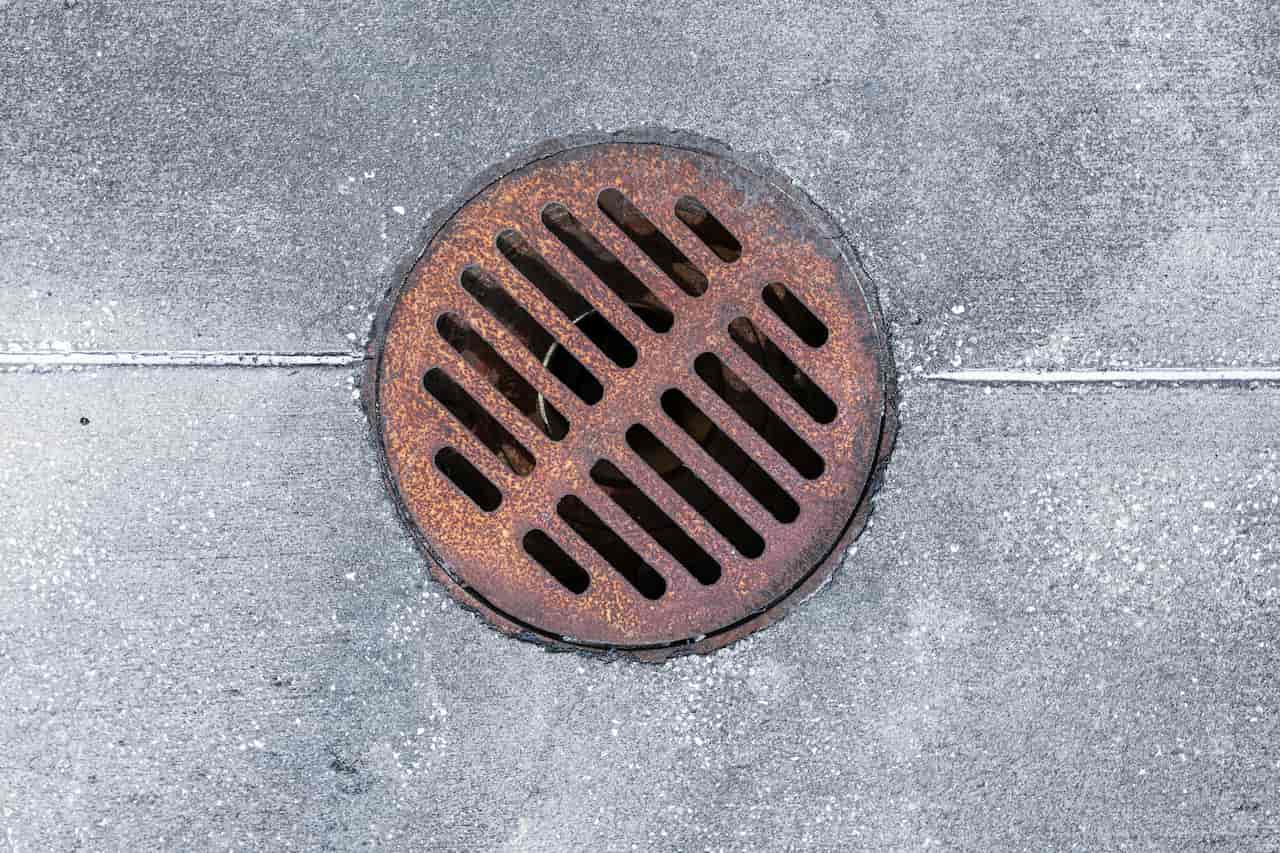
External gullies collect water from downpipes, kitchen waste outlets and paved areas. They block with leaves, moss, silt and kitchen grease. Lift the gully grid and remove debris by hand with rubber gloves. Scoop out silt and rinse with a hose. If the gully is full of water that will not drain, the blockage is in the pipe running from the gully to the inspection chamber. Use drain rods: screw sections together, fit a plunger or corkscrew head to the leading rod and feed into the gully pipe. Push and turn clockwise only – anticlockwise unscrews the rod joints and you risk losing sections in the pipe. Work forward firmly until you break through the blockage, then flush with a hose to clear the debris downstream.
Inspection chambers (manholes) should be checked annually. Lift the cover, remove any accumulated debris and check the flow channel at the base is clear. A build-up of fat and grease on chamber walls is common near kitchens and can be cleared with a stiff brush and hot water. During autumn, fallen leaves from garden trees and hedges are the primary cause of blocked gullies – if your garden has significant tree cover, fitting leaf guards on gullies saves a substantial amount of clearing work through winter. The guidance on planting wildlife hedges includes choosing species with manageable leaf fall, which is a practical consideration for drain maintenance in addition to the wildlife value.
Drain cleaners and chemicals
Proprietary drain cleaners fall into two categories: enzymatic products that digest organic matter slowly over several hours, and caustic or acid-based products that dissolve blockages more aggressively. For regular maintenance and slow drains, enzymatic drain cleaners poured monthly prevent build-up without damaging pipes. For an actual blockage, caustic soda dissolved in cold water (never hot – the reaction is exothermic) poured into the blocked fixture and left for an hour can clear grease and soap build-up effectively. Follow all safety instructions carefully and rinse thoroughly afterwards. Do not mix drain chemicals with each other or with bleach.
Chemical drain cleaners are not appropriate for all situations. They do not work on physical blockages (hair balls, solid objects). They are damaging to some older pipes, particularly lead and iron. They are ineffective against root infiltration. And they are harmful to the environment if they reach watercourses. Physical clearing should always be tried first – a plunger costs nothing to use and works better than chemicals in most cases. Reserve chemical treatment for stubborn grease blockages where physical methods have failed.
Prevention and when to call out
Prevention is straightforward: fit hair strainers over all bath and shower drains, never pour cooking fat or oil down the kitchen sink, and flush external gullies with a hose after heavy leaf fall. Monthly enzymatic treatment of kitchen and bathroom waste pipes keeps grease from accumulating. These habits cost almost nothing and eliminate most drain blockages before they develop.
Call a drainage company for: a blockage that physical methods and drain rods cannot shift; any situation where multiple fixtures are backing up and the inspection chamber is full; a toilet that is getting progressively slower over weeks; any sewage smell from the garden not associated with an obvious surface overflow; and any situation where you suspect root infiltration or a collapsed pipe. A reputable drainage company will camera-inspect the line before doing any work – insist on seeing the footage so you know what the actual problem is before agreeing to costly repairs. For any external works that involve digging near the house foundations or drainage runs, the same principle of getting things right first time applies whether the job is in the bathroom or the garden – the guidance on planning any excavation near foundations covers the same careful approach to working around buried services that applies to drainage repairs near the house.
Share on socials: