At a glance
The jade plant (Crassula ovata) is one of the longest-lived and most rewarding houseplants available in the UK. Unlike many houseplants that are bought, enjoyed briefly and discarded when they decline, a well-cared-for jade plant grows slowly into a substantial, tree-like specimen that can live for decades and become a genuinely impressive feature of a room. Old jade plants with thick, woody trunks, dense branching and glossy oval leaves are striking objects – the kind of plant that draws comments from visitors and outlives the furniture around it.
Jade plants are succulents native to southern Africa and require the same restrained watering approach as other succulent houseplants. The most common mistake in jade plant care is the same as with String of Pearls and other succulents – overwatering. The glossy, fleshy leaves store water effectively, and the plant needs far less frequent watering than most houseplants. Get the watering and light conditions right and a jade plant is genuinely low-maintenance – an excellent choice for busy people or those new to houseplants who want something long-lived and forgiving of occasional neglect.
About Jade Plants
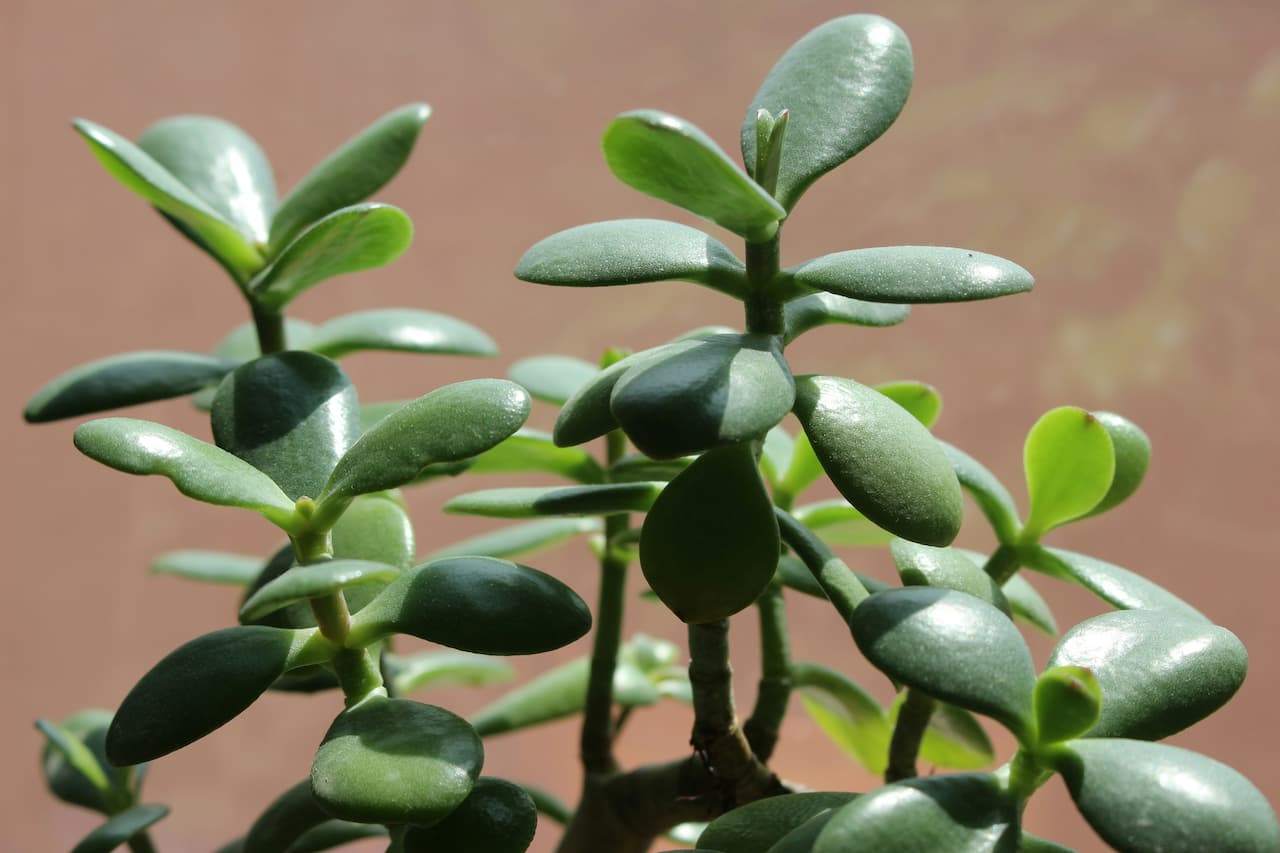
Crassula ovata is a succulent shrub that in its native South Africa grows in dry, rocky scrubland where it can reach 2-3 metres tall. In UK indoor conditions, a well-grown jade plant in a large pot will reach 60-90cm over many years, developing the characteristic thick woody trunk and branching structure that gives older specimens their tree-like appearance. The leaves are glossy, oval and jade green – sometimes developing red margins when the plant is given high light, which indicates stress-free growth in ideal conditions and is a useful visual confirmation that the plant is happy.
Jade plants are slow-growing by houseplant standards – expect 2-5cm of new growth per year in good conditions. This slow growth is actually an advantage: the plant does not outgrow its pot or space rapidly, and the gradual accumulation of wood and character over years creates a more genuinely impressive specimen than fast-growing alternatives. A jade plant owned for ten years is visibly, substantially different from a recently purchased one – the woody trunk, the gnarled branching, the depth of the canopy – all of it accumulates in a way that makes long-term jade plant ownership genuinely rewarding.
Light Requirements
Jade plants need bright light – more than most houseplants, and ideally including some direct sun. A south-facing windowsill that receives several hours of direct sun daily is ideal. In low light, jade plants etiolate – they stretch toward the light source, producing longer stems with wider gaps between the leaves. This growth pattern is difficult to reverse and produces a leggy, unattractive plant rather than the compact, bushy specimen that correct light produces. If a jade plant has become lanky, it cannot be made compact again by improving light alone, but new growth in a better position will be compact and the plant can be shaped by pruning over time.
Watering Correctly
Jade plants store water in their thick, fleshy leaves and need considerably less frequent watering than most houseplants. The classic overwatering symptoms are leaf drop (healthy leaves falling without yellowing first), soft or mushy stems near soil level and a general loss of vigour. If any of these appear, reduce watering immediately and check the roots. Root rot in jade plants can be treated if caught early – remove from the pot, cut off any black or mushy roots, allow the remaining healthy roots to dry for a few days, then repot in fresh dry compost and do not water for two weeks.
The leaves tell you when to water. Healthy, well-hydrated jade leaves are firm, plump and glossy. Leaves that have become very slightly soft or wrinkled at the edges are ready for water. This is a more reliable indicator than any fixed schedule – conditions vary significantly between UK homes, seasons and individual plant positions. Trust the leaves over the calendar.
Soil and Repotting
Jade plants need free-draining compost. Standard multipurpose compost is too water-retentive and increases rot risk considerably, particularly in the low-light UK winters when the plant uses water very slowly. Use a cactus and succulent compost, or mix standard compost 50/50 with perlite or coarse horticultural grit. Terracotta pots are excellent for jade plants as their porous walls allow the compost to dry more evenly and quickly than plastic pots – the same principle that makes terracotta ideal for rosemary and lavender outdoors.
Repot jade plants only when they are clearly pot-bound – roots emerging from the drainage holes or the plant becoming visibly unstable in its pot. Jade plants actually perform well when slightly root-constrained and do not need frequent repotting. When repotting, choose a pot only one size larger than the current one. A pot that is too large holds excess compost that stays wet after watering, creating exactly the rot-friendly conditions the plant is most vulnerable to. Allow the plant to settle for two weeks before watering after repotting to let any disturbed roots callous and recover.
Feeding and Growth
Feed jade plants once a month from April to September with a cactus or succulent fertiliser diluted to half strength. Do not feed from October to March during the winter slow period. Jade plants are adapted to nutrient-poor soils and do not benefit from heavy feeding – over-fertilising produces soft, sappy growth that is less attractive and more disease-prone than the naturally slow, compact growth the plant produces in lean conditions. Less is genuinely more with jade plant feeding.
Pruning is optional but shapes a jade plant into a more tree-like form as it matures. Pinching out growing tips of young plants encourages branching and creates a more bushy structure from early in the plant’s life. Removing lower branches as the plant matures exposes the developing trunk – the thick, woody stems that give older jade plants their distinctive character. All pruning cuts should be made cleanly with a sharp knife or secateurs, and cut surfaces allowed to dry and callous for a day before the plant is watered again.
Propagation from Leaves and Stems
Jade plants propagate readily from both leaf cuttings and stem cuttings – one of the reasons they are such an enduring favourite, as a single plant can produce dozens of new plants over time. Stem cuttings are faster and more reliable for producing larger plants quickly. Leaf propagation is slower but works well and is a useful way to make use of leaves that fall naturally from the plant.
For leaf propagation, gently twist a healthy, plump leaf from the stem – it must detach cleanly at the base without tearing. Lay the leaf on the surface of dry cactus compost and place in a bright position. Do not water. New roots and a tiny plantlet emerge from the leaf base within two to four weeks. Once the plantlet has its own small rosette of leaves, begin very light misting and treat as a young plant. Leaf propagation produces smaller starter plants than stem cuttings but works reliably and is a satisfying way to multiply a single plant into many.
Common Problems
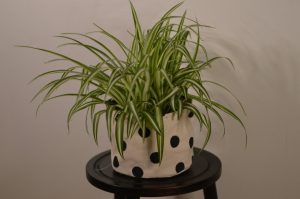
Jade plants are toxic to cats and dogs. Ingestion causes vomiting, lethargy and loss of coordination in cats and dogs. Keep jade plants out of reach of pets, or choose a pet-safe alternative such as a spider plant or Boston fern if animal safety is a concern in your home.
Share on socials: