At a glance
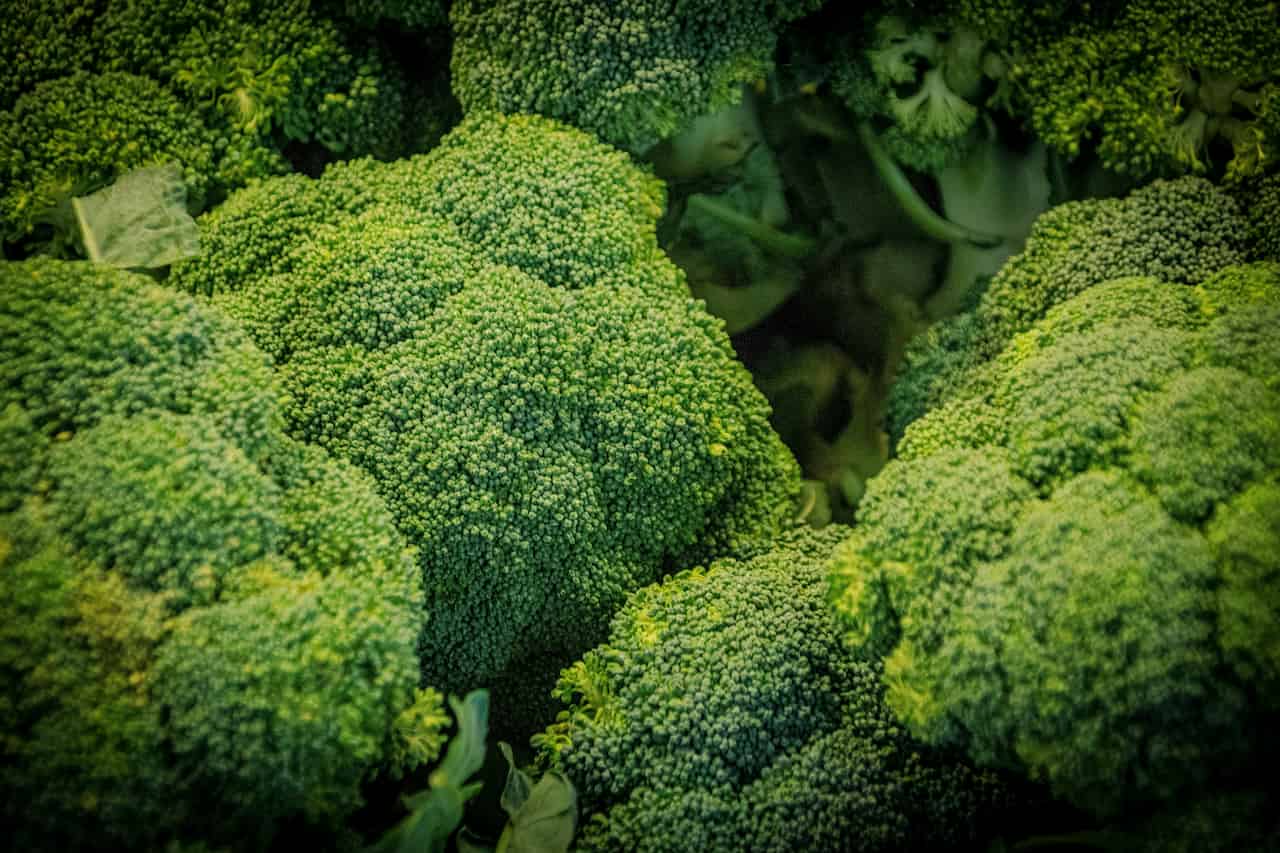
Broccoli is one of those vegetables where homegrown is genuinely transformative compared to shop-bought. A freshly cut head eaten the same day it’s picked has a sweetness and tenderness that broccoli sitting in a supermarket supply chain simply cannot match. It is also one of the most productive crops you can grow in a UK raised bed in terms of nutritional yield per square metre – dense in vitamins, calcium and iron, and cropping over a long period when harvested correctly.
The key to success with broccoli in the UK is variety selection and timing. Calabrese – the large headed green broccoli most people picture – has a relatively short harvest window per plant. Purple sprouting broccoli, by contrast, is a completely different beast – slower growing, overwintering in the ground, and producing masses of tender spears from February to April when almost nothing else is ready.
Best broccoli varieties for UK gardens
| Variety | Type | Harvest | Notes | Verdict |
|---|---|---|---|---|
| Belstar F1 | Calabrese | Summer-autumn | Excellent side shoot production after main head cut | Best calabrese |
| Tenderstem | Calabrese hybrid | Summer-autumn | Produces tender stems rather than large heads | Best for continuous picking |
| Purple Sprouting Early | PSB | Feb-March | Overwinters and produces in hungry gap | Best winter variety |
| Purple Sprouting Late | PSB | Mar-April | Extends PSB season into spring | Good succession partner |
| Romanesco | Calabrese type | Autumn | Spectacular spiral heads, nutty flavour | Most ornamental |
Grow both calabrese and purple sprouting broccoli for year-round harvests. Sow calabrese in April for summer and autumn harvests, and purple sprouting broccoli in May for February to April harvests the following year. Together they provide fresh broccoli from July right through to April – nearly ten months of the year from two sowings.
Sowing and raising transplants
Broccoli is best raised as transplants rather than direct sown – it gives better control over spacing and means you can time planting out to follow an earlier crop from the same bed.
- 1Sow calabrese from April to JuneSow 2-3 seeds per module, 1cm deep. Thin to one per module when seedlings have their first true leaves. Calabrese sown in June will crop in autumn – a useful succession after earlier sowings.
- 2Sow purple sprouting broccoli in MayPSB needs to be sown by the end of May to give it enough time to develop before winter. It overwinters as a substantial plant and produces spears the following late winter and spring.
- 3Grow on for 4-5 weeks before planting outBroccoli transplants are ready when they are 10-15cm tall with 4-5 true leaves. Harden off over 7-10 days before moving permanently outdoors.
Planting out
Plant broccoli firmly – like all brassicas it needs to be planted deeply and with the soil firmed around the stem to prevent wind rock. Space calabrese 45cm apart in rows 45cm apart. Purple sprouting broccoli is a larger plant and needs 60cm spacing in each direction – it will be in the ground for 9-10 months and becomes a substantial plant by spring.
Net immediately after planting. Cabbage white butterflies will find broccoli plants within days of planting out in summer. The caterpillars that hatch can completely defoliate a plant in a week. Fine mesh butterfly netting installed at planting time is far easier than dealing with established caterpillar infestations later in the season.
As an Amazon Associate I earn from qualifying purchases. Prices correct at time of publishing.
Care through the season
- Water consistently – particularly during the first month after planting out and during dry spells. Inconsistent watering causes poor head development in calabrese.
- Earth up stems in autumn – mound soil around the base of purple sprouting broccoli in October to provide stability through winter winds
- Stake PSB in exposed positions – the tall stems of PSB can become top-heavy by spring. A cane support prevents wind rock.
- Don’t feed with high nitrogen – excessive nitrogen produces lush leafy growth at the expense of head development. A balanced general fertiliser applied at planting is sufficient.
- Check for caterpillars regularly – even with netting in place, check the underside of leaves weekly and remove any caterpillars or egg clusters by hand
Harvesting correctly
The harvesting technique determines how long broccoli continues to produce after the main head is cut.
Calabrese: Cut the main central head when the buds are tightly packed and still a rich dark green – before any yellowing or flowers opening. Cut with a sharp knife at an angle to allow water to run off the cut stem. After cutting the central head, the plant will produce smaller side shoots for several weeks – pick these regularly to keep production going.
Purple sprouting broccoli: Harvest individual spears when they are 10-15cm long and before the tiny flower buds open. Pick every few days at peak season – the more you pick the more the plant produces. Don’t let spears flower as this signals the plant to stop producing new growth.
Common problems
| Problem | Cause | Solution |
|---|---|---|
| Caterpillar damage | Cabbage white butterfly larvae | Fine mesh netting from planting – prevention only |
| Clubroot (wilting, swollen roots) | Soil-borne fungal disease | Lime soil, long rotation, resistant varieties |
| Loose, open heads on calabrese | Too warm at heading time or bolting | Sow later for autumn harvest in cooler conditions |
| Whitefly under leaves | Cabbage whitefly | Yellow sticky traps, encourage natural predators |
| Pigeons stripping leaves | Very common in winter on PSB | Net permanently through winter months |
Broccoli is one of the most rewarding brassicas to grow in a UK garden. Get the variety and timing right – calabrese for summer and autumn, purple sprouting for the late winter hungry gap – and you can have fresh broccoli available for most of the year. For more on growing brassicas read our guide on how to grow kale in the UK.
As an Amazon Associate I earn from qualifying purchases. Prices correct at time of publishing.
Share on socials: