At a glance
Sweet peas are one of the most characteristically British of all garden flowers and among the most rewarding annual climbers for a UK garden. The combination of extraordinary fragrance, a huge range of colours from purest white through every shade of pink, purple and red, and a cutting season from June to September makes them exceptional value for the space they occupy. A well-grown sweet pea plant produces dozens of stems per week and the more you cut, the more it flowers – making them uniquely generous as a cut flower.
They are also one of the few summer flowers where an autumn sowing significantly outperforms a spring one. Sweet peas sown in October and overwintered as small plants in a cold greenhouse or cold frame produce flowers three to four weeks earlier than those sown in February, with stronger root systems and more vigorous growth from the start. For gardeners with access to any frost-free but unheated growing space, autumn sowing is the method to use. The season heatmap below shows how the two approaches compare across the year.
Best varieties for UK gardens
Sweet peas divide into two main types: Grandiflora (old-fashioned, smaller flowers, intense scent) and Spencer (modern, large waved petals, long stems, good for cutting and the show bench). The trade-off is straightforward – Spencers win on stem length and flower size, Grandifloras win on fragrance. For a garden primarily grown to cut and bring indoors, a mix of both types gives the best of both worlds.
For maximum scent, choose Grandiflora varieties. The fragrance of a Grandiflora type like Matucana is in a different category from most Spencer varieties, which have been bred primarily for flower size and stem length at some sacrifice of scent. Growing both types side by side gives immediate impact from the large Spencer flowers alongside the intense fragrance of the Grandifloras.
When and how to sow
Sweet peas can be sown in October or November for overwintering, or from late January through to March for a spring start. October sowings produce the strongest, earliest-flowering plants. Sow in deep modules or root trainers – sweet peas have long taproots that resent disturbance, so the deeper the container the better. Fill with seed compost and sow one seed per module at 2cm depth. Germination takes 7-14 days at around 15°C. Move seedlings to the brightest available position as soon as they emerge.
Some growers nick the seed coat with a knife or soak seeds overnight before sowing to improve germination speed. Both methods work, particularly with older or hard-coated seed, but are not strictly necessary with fresh, good-quality seed. If seeds sit for more than ten days without germinating, the seed coat may be the issue – try scarifying any ungerminated seeds with a nail file at the point opposite the eye of the seed.
Growing on and overwintering
Autumn-sown sweet peas need to be kept in a cold but frost-free environment through winter. A cold greenhouse, cold frame or unheated porch all work well. The aim is to keep them growing slowly, not to push them into rapid growth. If plants are kept too warm they become tall and leggy before they can go outside; kept too cold they are damaged or killed. A temperature range of 2-10°C is ideal throughout the winter months.
When seedlings reach about 10cm, pinch out the growing tip just above a leaf node to encourage two strong side shoots rather than a single weak main stem. This single action is one of the most important things you can do at this stage. Pinched plants are bushy and vigorous; unpinched plants tend to produce a single etiolated stem that never performs as well. The operation takes two seconds per plant and is done with the fingernails – no knife or scissors needed. After pinching, the plants will pause briefly before producing the side shoots, which then grow on to become the main flowering stems.
Planting out and support
Plant out once all frost risk has passed – late April for autumn-sown plants that have been hardened off, late May for spring-sown plants. Harden off by moving plants outside during the day and bringing them in at night over a period of ten to fourteen days before planting. Sweet peas climb by tendrils and need something to grip – netting, trellis, a row of canes linked by horizontal strings, or a traditional wigwam all work well. For a wigwam, use 8-10 canes of 2.4m length pushed firmly into the ground and tied at the top. Provide one plant per cane, planting at the base.
Space plants 20-25cm apart along a row if growing on netting or trellis. Plant deeply – right up to the lowest leaves – and water in well. Sweet peas fix nitrogen in their roots and improve the soil as they grow, making them excellent predecessors for hungry crops in a rotation. After the plants finish flowering in late summer, cut them off at ground level and leave the roots in the soil to release their stored nitrogen for the following crop.
Tie in stems regularly once growth begins. Sweet peas climb by tendrils which grip whatever they touch – including each other. Left untied for a week in the growing season, neighbouring plants tangle into knots that are almost impossible to separate without damage. A quick five minutes with some soft twine every few days keeps everything running cleanly up the support.
Feeding, watering and site
Sweet peas need a sunny, sheltered position with fertile, moisture-retentive but well-drained soil. They perform poorly in dry, shallow or compacted soil and are more susceptible to heat stress in exposed, south-facing sites without some afternoon shade in July and August. Preparing the ground the autumn before planting – digging in well-rotted compost or manure – makes a significant difference to the vigour and longevity of the flowering season.
Picking – the essential rule
Pick sweet peas every two to three days without fail. This is not optional – it is the single most important management task for keeping sweet peas flowering. Any stem left to form a seed pod sends a signal to the plant that its reproductive purpose has been achieved, triggering a dramatic reduction in flower production. A regularly picked sweet pea plant in good conditions produces stems continuously from June until September. One left unpicked for a week produces a cluster of seed pods, then stops flowering within days. The biological logic is simple: the plant’s job is to set seed, and once it succeeds, the job is done.
Pick when the lowest flower on the stem is just opening and the upper buds are still closed. This gives the longest possible vase life. Cut stems as long as possible, going back to a leaf node to encourage strong replacement growth. If you genuinely cannot pick every two to three days, deadhead anything you cannot use – removing spent flowers has the same effect as picking. In hot weather the flowering cycle accelerates, and daily picking may be needed to stay ahead of the pods.
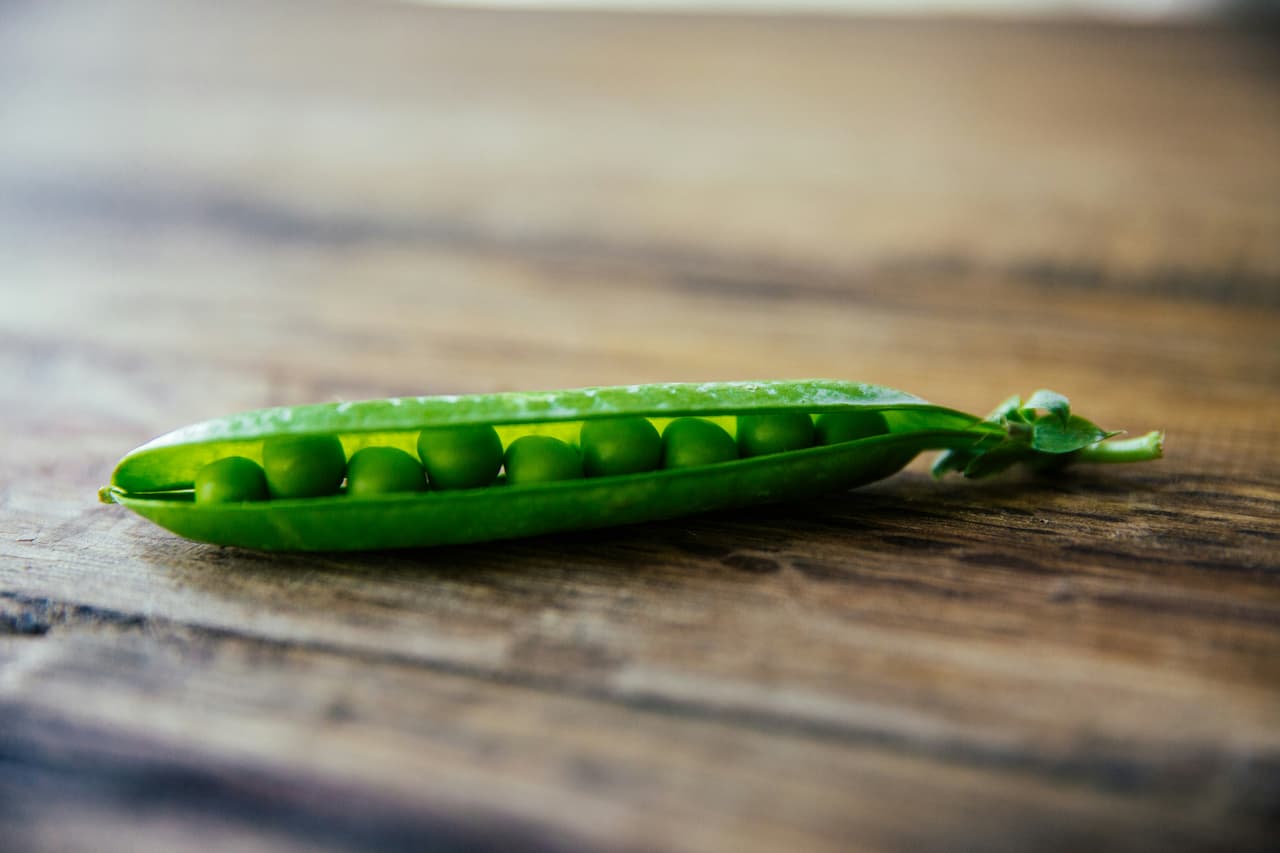
Sweet pea seeds and all parts of the plant are toxic if ingested. The seeds in particular contain toxic amino acids. Keep sweet pea seeds away from children and do not confuse the plant with edible garden peas – the plants look superficially similar when young but sweet pea pods should never be eaten.
Common problems and fixes
Most sweet pea problems are caused by one of three factors: moisture stress, poor air circulation or slugs at planting time. Catching them early makes a significant difference – a sweet pea under stress from any cause is quicker to stop flowering and run to seed than one growing in good conditions.
Powdery mildew is best managed by watering at the roots rather than overhead, removing the lowest leaves as the season progresses to improve airflow, and not overcrowding too many plants onto a single wigwam. Once mildew takes hold it cannot be reversed, but removing the worst affected leaves and improving conditions slows its spread significantly. Aphids should be dealt with as soon as colonies are noticed – a heavy infestation on the growing tips in May or June can knock back weeks of flowering before it is controlled.
Share on socials: