At a glance
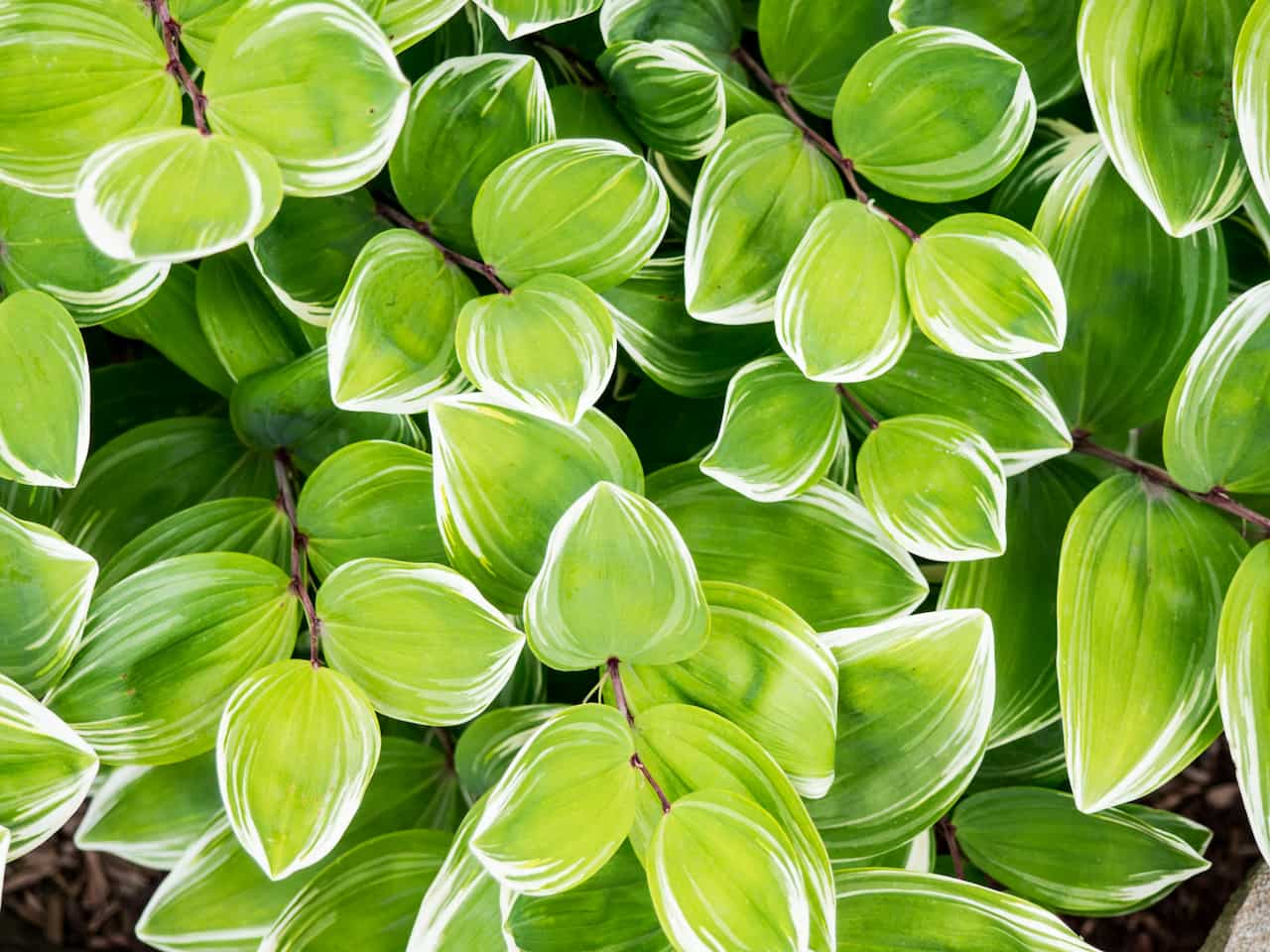
Hostas are the garden plant that makes difficult spaces work. Under dense trees where little else grows, in the dry shade at the base of a north-facing wall, in the dark corner between fence panels that gets sun for perhaps an hour a day in summer – hostas not only survive these conditions but thrive in them, building year on year into increasingly impressive clumps that need almost no intervention once established. The extraordinary diversity within the genus means there is a hosta for every scale of planting: miniature varieties at under 15cm that suit troughs and raised containers, through mid-size clump-formers for border structure, up to the giants like ‘Sum and Substance’ whose leaves can reach 60cm across in ideal conditions.
The single biggest obstacle to success with hostas in UK gardens is slugs. Every other aspect of cultivation is forgiving – hostas are hardy, tolerant of neglect, rarely troubled by disease and long-lived to the point of outlasting most other plantings in a garden. Slugs, however, will reduce a pristine blue hosta to a tattered green ruin within days in a wet spring, and the damage is permanent for that season. The good news is that slug resistance is now a genuine selection criterion in modern hosta breeding, and several of the best varieties have leaf thickness and texture that makes them largely unappealing. Choosing slug-resistant varieties and matching them to the right position removes most of the risk.
Best varieties for UK gardens
‘Halcyon’ is the starting point recommendation for most UK gardeners: blue-grey leaves with excellent slug resistance, reliable performance in deep shade, and a tidy medium-sized clump that looks good from emergence in April through to autumn. ‘Sum and Substance’ is the giant of the genus – gold-green with thick, almost corrugated leaves that slugs largely ignore. Given space and reasonable conditions it will build into a plant 1.2m wide and 60cm tall over several years. ‘June’ offers the classic variegated hosta look with blue-green margins and gold centres that shift through the season, though it requires more slug vigilance than the blue-leaved varieties. As companion plants, hostas pair particularly well with astilbe – both prefer the same moist shaded conditions and the astilbe’s feathery flower plumes contrast well with hosta’s bold foliage – as well as with hellebores and astrantia in a classic woodland planting scheme.
Growing conditions
Shade is the defining requirement. Hostas will tolerate a few hours of morning sun in wetter parts of the UK, but direct afternoon sun – particularly in southern England – scorches the leaves, bleaches the colour and stresses the plant in a way it never quite recovers from within a single season. The blue and grey varieties are most sensitive to sun scorch; the gold and yellow-leaved types handle more light and can even benefit from a degree of morning sun to develop their colour fully. In practice, the north or east-facing side of any structure, or the canopy of a mature tree, provides the conditions most hostas prefer.
Soil moisture is equally important. Hostas do not need waterlogged conditions but they demand consistent moisture throughout the growing season. They will not tolerate prolonged drought – leaves yellow, shrivel and die off early in a dry summer without irrigation. Improving the soil with generous amounts of well-rotted compost at planting and maintaining a thick mulch layer over the root zone in spring are the two most effective ways to keep hostas adequately hydrated through dry spells without requiring constant watering. Hostas grown in containers need particular attention – a large hosta in a terracotta pot can exhaust available moisture in a single hot day. A self-watering reservoir pot, or a glazed ceramic container that retains moisture longer, gives far better results on a sunny patio or balcony.
Choose varieties by foliage thickness, not just colour. Thin-leaved hostas like ‘Undulata’ types are significantly more vulnerable to slug damage than thick-leaved blue varieties. Before buying, press the leaf between two fingers – it should feel almost rubbery for maximum slug resistance. Thin, papery leaves are a warning sign for susceptibility.
How to plant hostas
Prepare the planting site
Dig the planting area to at least 30cm deep and incorporate two or three bucketfuls of well-rotted garden compost or leaf mould per square metre. Hostas are greedy feeders and the best growth comes from genuinely enriched soil. On clay soils, also add horticultural grit to improve drainage around the crown – although hostas want moisture, waterlogging at the crown in winter causes rot.
Plant at the right depth
Dig the planting hole to the same depth as the container and at least twice the diameter. Set the plant so that the crown – the point where the shoots emerge from the root system – sits just at soil level, not buried. Planting too deep encourages crown rot. Firm the soil around the root ball and water thoroughly. Spring planting gives the best establishment; autumn planting works but the plant will not develop much before dormancy.
Apply a thick mulch
A 75mm layer of leaf mould, bark chippings or well-rotted compost applied around the plant – but not touching the crown – retains soil moisture, suppresses competing weeds, keeps the soil cool in summer and gradually improves soil structure as it breaks down. Refresh the mulch every spring before growth emerges for best results. Slugs thrive under dense mulch, so keep it pulled back slightly from the emerging crown in spring.
Set up slug protection immediately
New transplants are most vulnerable to slug damage in their first spring before they develop the thick, leathery leaves that characterise mature plants. Ferric phosphate slug pellets (wildlife-safe) applied at planting and at first emergence give the plant the best start. Barrier methods – copper tape around pots, a ring of sharp grit around new divisions – provide additional temporary protection.
Seasonal care calendar
Pests, problems and solutions
Slugs and snails are the dominant challenge. In a wet spring they can devastate a planting overnight, and since hosta leaves do not regenerate once damaged within the same season, prevention is far more effective than treatment. The best long-term strategy combines slug-resistant variety selection with regular pellet application (ferric phosphate, safe around wildlife), physical barriers on valuable container specimens, and encouraging natural slug predators – hedgehogs, frogs and toads all consume slugs in significant quantities. A garden pond is one of the most effective slug-control measures available, providing habitat for frogs and toads whose appetite for slugs is considerable. Heuchera suffers similar slug pressure in shade borders and benefits from the same prevention approach.
Share on socials: