At a glance
Stevia is one of the most unusual herbs you can grow in a UK garden. The leaves contain no calories and yet are intensely sweet – around 30-40 times sweeter than sugar – making the plant a genuinely useful source of natural sweetening for teas, drinks, desserts and infusions from your own garden. For anyone reducing sugar intake or looking for a zero-calorie alternative to the highly processed commercial stevia products sold in supermarkets, home-grown stevia leaves offer the real thing: unprocessed, clean-tasting, and noticeably different from anything in a packet.
Stevia is not the simplest herb to grow in the UK given our cooler, shorter summers, but it is perfectly achievable with the right approach. It needs warmth to establish and grow well, must be treated as a tender plant that cannot survive frost outdoors, and requires consistent pinching to stay bushy and productive. Beyond those requirements it is a compact, attractive plant that fits comfortably in a large pot on a sunny patio, takes up little space in a raised bed, and will provide a good crop of leaves from midsummer through to early autumn.
About stevia – the plant and its sweetness
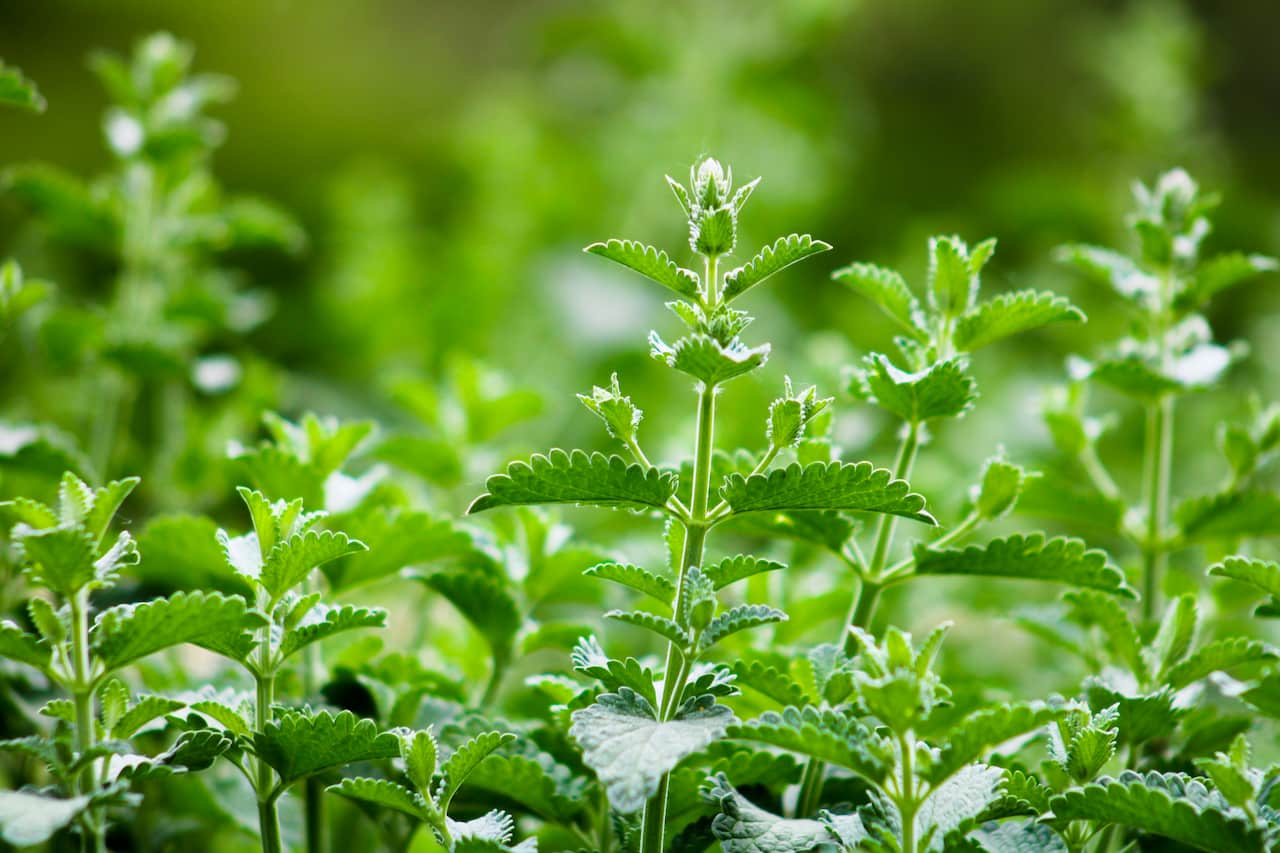
Stevia (Stevia rebaudiana) is a small bushy perennial herb native to Paraguay and Brazil, where indigenous communities have used its leaves as a sweetener for centuries. It belongs to the Asteraceae family – the daisy family – and in its natural habitat grows as a perennial reaching up to 60-120cm tall. In UK conditions it is treated as a half-hardy annual or carefully overwintered indoors. The leaves are small, oval to lance-shaped with serrated edges, bright green, and look somewhat similar to mint leaves – chewing one is the simplest way to identify the plant, as the distinctively sweet taste is immediately unmistakeable.
The sweetness comes from steviol glycosides – primarily stevioside and rebaudioside A – concentrated in glands within the leaves. These compounds are 30-40 times sweeter than sucrose when the leaf is used whole or simply dried. The flavour is clean and sweet with a faint liquorice or anise finish that some people notice more strongly than others. Fresh leaves have a lighter, more herbal sweetness; dried leaves are more concentrated. Both are significantly different from commercial stevia extracts, which are highly refined and often have a more pronounced aftertaste.
Note on food safety regulations. The fresh leaf of stevia is not approved as a food ingredient in the EU under food additive rules, though it may be sold as a dietary supplement or for cultivation. Highly purified stevia extracts (specifically rebaudioside A at high purity) are approved as food additives. Growing stevia at home and using the leaves in teas and drinks as a herbal infusion is a well-established practice, but be aware of this regulatory context if you intend to use it in food manufacturing or commercial production.
Sowing and starting plants
Stevia can be started from seed or bought as a young plant from a specialist herb nursery. Both approaches work, but they differ significantly in reliability and the amount of effort required. Understanding the limitations of seed-grown stevia before you begin will save frustration.
Sowing from seed requires attention to a few critical details. Stevia seed viability is variable – old or poorly stored seed germinates badly or not at all, so always use the freshest seed available from a reputable supplier and sow in the same season as purchase. Sow on the surface of moist seed compost in a heated propagator at 20-25°C in March or April – the seeds are tiny and need light to germinate, so do not cover them. Germination takes anywhere from seven to twenty-one days and is often erratic, with some seeds taking considerably longer. Sow several seeds per cell to account for variable germination rates. Once seedlings are large enough to handle, prick out individually into small pots and grow on in a warm, bright indoor position before hardening off and planting out after the last frost.
Buying a young plant from a specialist herb nursery is the more reliable route and is particularly recommended for first-time stevia growers. A single healthy plant will produce more than enough leaves for most households through summer – stevia is productive once established and, with regular pinching, becomes increasingly bushy and generous as the season progresses. Cuttings from an established plant root readily in moist compost at 20-25°C, taken as 8-10cm tip cuttings in early summer. This is the most reliable propagation method for anyone who wants to maintain specific flavour characteristics year to year.
Buy plants rather than starting from seed. Stevia seed is notoriously variable in germination and growing plants from seed in UK conditions takes many weeks of effort with uncertain results. A young plant from a specialist nursery costs little more than a seed packet and gives you a productive, harvestable plant far sooner. If you do grow from seed, use the freshest seed available and sow at least three seeds per cell to account for uneven germination.
Growing conditions and ongoing care
Stevia needs warmth and consistent moisture above all else. It comes from a subtropical climate and does not enjoy cold, wet or windy conditions. In UK summers it is perfectly achievable to grow a productive plant, but the site choice and ongoing care both matter. A warm, sheltered, sunny position – ideally against a south-facing wall or fence – produces significantly better results than an exposed bed.
Feed every two to four weeks with a balanced liquid fertiliser from June onwards. Stevia is not a heavy feeder but benefits from regular nutrition to maintain steady productive growth through the season. Avoid high-nitrogen feeds that push lush but flavour-diluted growth – a balanced feed at the recommended rate is sufficient.
Pinching is the single most important ongoing care task. Pinch out the growing tips regularly – every two to three weeks once the plant is established – to encourage the side shoots that produce a dense, bushy, multi-stemmed plant rather than a single tall stem. A well-pinched stevia plant produces far more harvestable leaves than an unpinched one and stays more compact, which matters both for productiveness and for overwintering success. The stems of stevia are somewhat brittle – handle carefully when pinching or weeding around the plant to avoid snapping branches.
Seasonal care calendar
Harvesting, drying and using stevia
The single most important rule for harvesting stevia is to do it before flowering. The steviol glycosides that make the leaves sweet are concentrated when the plant is in active vegetative growth. Once the plant begins to flower, its energy redirects to seed production and the leaves lose a significant proportion of their sweetness. Pinching out flower buds as soon as they appear – small, white and clustered at stem tips – prevents this loss and keeps the plant producing sweet, harvestable leaves for longer. Leaves harvested in cool autumn conditions are also particularly sweet as the lower temperatures concentrate the sugars.
Dried stevia leaves can be used whole in herbal teas – steep a few leaves in hot water for 3-5 minutes for a mildly sweet, clean-tasting infusion. Ground or crumbled dried leaves can be used to sweeten other teas, coffee, fruit salads and cold drinks. The sweetness is heat-stable, making it suitable for use in hot drinks and baking, though the quantity needed requires some experimentation since it is much sweeter per gram than sugar. A small pinch of dried powdered leaves goes a surprisingly long way.
Common problems and pests
Stevia is generally a trouble-free herb when grown in appropriate conditions. Most problems arise from the wrong site – too cold, too shaded, too wet – rather than from pests or disease. Understanding which issues are serious and which are minor makes managing them straightforward.
Slugs are attracted to stevia leaves and can be a significant problem, particularly for young plants in the weeks after planting out. Container growing on a raised surface reduces slug access considerably. Aphid and whitefly infestations are usually minor in well-ventilated outdoor positions and clear naturally as summer progresses; a jet of water or a dilute fatty acid spray deals with more persistent infestations. Sweetness loss from flowering is entirely preventable through consistent pinching – it is the most reliable thing you can do to maintain harvest quality through the season.
Share on socials: