At a glance
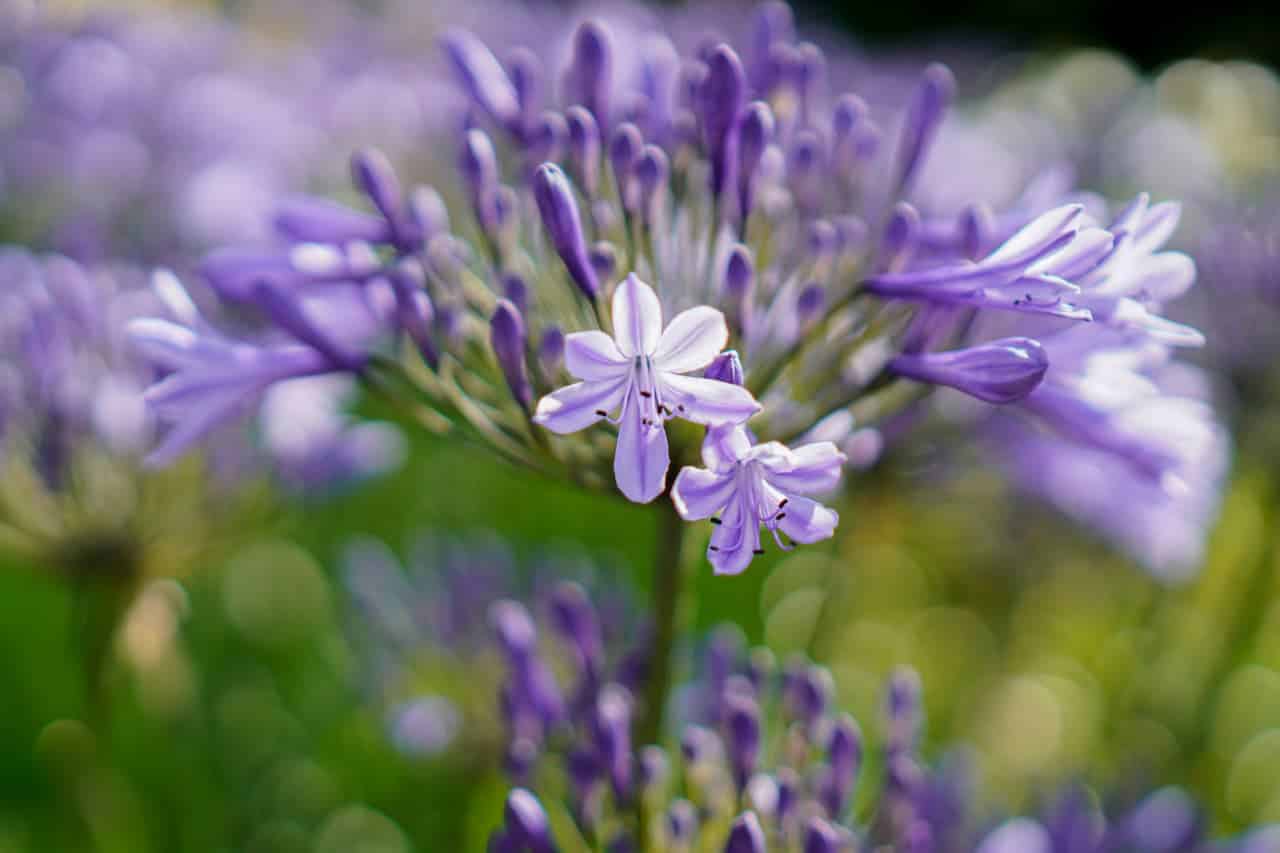
Agapanthus is one of the most dramatic late-summer flowering plants available to UK gardeners. Its tall stems carry spherical clusters of trumpet-shaped flowers in shades of deep blue, pale lilac or white, rising above bold strap-like foliage from July and persisting well into September. Few plants make such a statement in a sunny border or large container – the combination of architectural foliage through spring and summer, then the upright flower stems in late season, gives agapanthus a presence that most other perennials cannot match at that time of year.
Despite its exotic appearance, agapanthus is more adaptable than it looks. Deciduous varieties are reliably hardy across most of the UK and can be grown in open ground with minimal winter protection. Evergreen types need a sheltered spot or winter protection in all but the mildest gardens. Understanding which type you are growing and treating it accordingly is the single most important factor in keeping agapanthus performing well year after year. This guide covers everything you need to know.
About agapanthus
Agapanthus originates from southern Africa, where species grow in a range of habitats from coastal scrub to mountain grassland. This southern African origin explains its preference for warmth and sunshine, and its tolerance of periods of drought once established. Two broad groups are grown in UK gardens: deciduous types, which die back completely in winter, and evergreen types, which retain their strap-like foliage year-round. The distinction matters enormously for winter management in the UK climate.
Deciduous varieties are significantly hardier and far better suited to most of the UK, surviving winter frosts in open ground with little more than a crown mulch for protection. Evergreen types are frost-tender and best grown in containers that can be moved under cover before the first frosts, or in very sheltered gardens in mild south-western areas. The flower stems on both types typically reach 60-120cm in height depending on variety. The seed heads that follow the flowers are also ornamentally attractive and can be left to dry on the plant through autumn for structural winter interest. Agapanthus grown from seed takes several years to reach flowering size, so most gardeners begin with established pot-grown plants or divisions.
Planting agapanthus
Agapanthus thrives in a sunny, sheltered position with well-drained soil. It dislikes sitting in wet, cold ground over winter, so drainage is the most important site consideration when planting in open ground. In heavy clay soils, incorporate horticultural grit generously before planting to improve drainage. A raised patio position or a sheltered south-facing border against a wall suits agapanthus particularly well – the warmth radiated from hard surfaces and masonry raises the local temperature and suits its southern African origins.
Plant bare-root rhizomes or pot-grown plants in spring after the last frosts, once the soil has begun to warm. Set the rhizome with its top approximately 5cm below the soil surface. Space plants 30-45cm apart – agapanthus actually flowers more freely when slightly crowded, which is why it performs well in containers and established border clumps. Resist the temptation to give it too much space or to repot too frequently, as doing so tends to produce lush foliage growth at the expense of flowers.
Container growing. Agapanthus is one of the best perennials for large patio containers. Use John Innes No.3 compost with added grit for drainage and choose a pot only slightly larger than the root ball – a tight fit actively encourages flowering. Feed weekly with a high-potash liquid fertiliser from May to August and water consistently through the growing season. Move evergreen types under cover before the first frosts.
Watering and feeding
During the growing season from spring to late summer, agapanthus needs regular watering – particularly container-grown plants which dry out quickly during warm weather and will stall their growth and reduce flowering if allowed to become water-stressed. Keep compost in containers consistently moist but never waterlogged. In open ground, established clumps develop reasonable drought tolerance but will still benefit from watering during prolonged dry spells in summer when flower stems are developing.
Feeding makes a significant and measurable difference to the number and size of flower heads produced. Apply a balanced general fertiliser in spring as growth resumes from the crown, then switch to a high-potash feed – such as tomato fertiliser – from late May onwards. The potassium in a high-potash feed promotes flowering rather than vegetative growth. Continue feeding weekly with high-potash until the flower stems begin to emerge and open, then reduce to monthly. Stop feeding entirely by September as the plant naturally prepares for its winter rest period.
Overwintering agapanthus
Deciduous varieties grown in open ground need modest winter protection in most of the UK. In autumn, leave the dying foliage in place until it has fully died back and browned – cutting it back while still green can weaken the crown. Once the foliage has died, cut back to ground level and apply a thick mulch of bark chips or dry straw over the crown to insulate against frost. In colder northern regions or very exposed gardens, a layer of horticultural fleece over the mulch provides additional insurance against hard freezes.
Evergreen agapanthus in containers must be moved into a frost-free location – an unheated greenhouse, conservatory or a cool indoor porch – before the first frosts arrive in autumn. Reduce watering to a minimum during the dormant period and do not feed. Move containers back outside in late spring once the risk of frost has passed – hardening them off over 7-10 days before leaving them outside permanently. For evergreen types left outside in very mild gardens, pack straw around and beneath the pot and wrap the whole container in horticultural fleece to insulate both roots and foliage through the winter months.
Evergreen agapanthus cannot survive hard freezes. Unlike deciduous types, evergreen agapanthus has no dormancy mechanism to protect it from sustained frost. A single severe freeze can kill an established plant that has taken years to build up. Even in mild winters, moving container plants under cover is not optional – it is the basic condition for keeping them alive year to year.
Common problems
The most common reason agapanthus fails to flower is insufficient sunlight, overwatering or growing in a pot that is too large. A plant kept too wet or given too much space produces lush, vigorous foliage growth at the direct expense of flowers. Reducing watering slightly in late spring and early summer and switching to weekly high-potash feeding usually brings flowering back on track within a season.
Vine weevil is a particular risk for container-grown agapanthus. The white, C-shaped grubs feed on roots through late summer and autumn, causing plants to collapse suddenly in spring when the root damage becomes apparent. If an established container plant wilts for no obvious reason, tip the root ball out and inspect the compost for grubs. Biological nematode drenches applied in late summer when soil temperatures are above 12C are the most effective treatment. Our guide to getting rid of vine weevil covers all the treatment options in detail.
Best varieties
The Headbourne Hybrids are the most widely recommended deciduous agapanthus for UK gardens. Bred specifically for hardiness, they cover a range of blue and violet-blue shades and are reliable performers across most of the country including colder regions. ‘Storm Cloud’ is a particularly reliable selection from this group, producing dark blue flower heads on stems reaching around 90cm.
Pairing agapanthus with other late-summer perennials and border plants works particularly well. The upright vertical flower stems contrast naturally with rounded, mound-forming plants, and the blue and white tones complement silver, white and soft yellow foliage throughout the season. Agapanthus looks outstanding alongside lavender in a sunny, well-drained border – both share a preference for full sun and good drainage and their flowering periods overlap in July. For wider planting inspiration including other late-season wildlife plants that work alongside agapanthus, our guide to the best plants for garden wildlife covers the full range of options across all seasons.
Share on socials: