At a glance
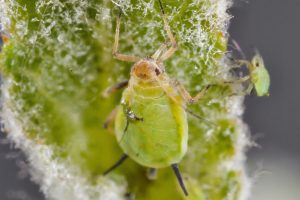
Greenfly – the common name for the rose aphid (Macrosiphum rosae) and several related green aphid species – are almost certainly the most frequently encountered pest in UK gardens. They appear reliably from April onward, reproduce rapidly enough to form dense colonies on new growth within days of first arriving, and cause the characteristic distortion and sticky honeydew residue that most gardeners will recognise from their roses, beans, nasturtiums and soft fruit. The good news is that greenfly are easier to control than most gardening guides suggest – early action with the right approach is usually sufficient to prevent significant plant damage, and established gardens with healthy populations of natural predators often manage their own aphid populations without any intervention at all.
The key to effective greenfly control is understanding how they reproduce and spread. Unlike most garden pests, aphids do not lay eggs in the conventional sense during the summer months – they reproduce by parthenogenesis, giving birth to live young without mating, and a single aphid can produce dozens of offspring in a week. This means populations can increase from a handful of aphids to a colony of hundreds in ten to fourteen days under warm conditions. Catching an infestation early – when colonies are still small and concentrated on shoot tips – is dramatically more effective than attempting to control an established colony across an entire plant. A weekly check of vulnerable plants from April through July is the single most effective habit for keeping greenfly manageable.
Identifying Greenfly and the Damage They Cause
Greenfly are small, soft-bodied insects 1-3mm long, pale to medium green in colour, with pear-shaped bodies and two short tubes (cornicles) projecting from the rear. They cluster on the soft growing tips of plants – new shoot growth, flower buds and the undersides of young leaves – where the plant tissue is thin enough for them to pierce with their mouthparts and extract sap. The colonies grow from the shoot tip downward as the season progresses and the original growth matures and hardens.
Damage caused by greenfly ranges from cosmetic to serious depending on the scale of the infestation and the plant affected. Light infestations on established plants rarely cause lasting harm – the plant continues growing and the distorted shoot tips are pruned away with the next deadheading. Heavy infestations on young plants or seedlings can stunt growth significantly, as the aphids extract more sap than the young plant can compensate for. The sticky honeydew excreted by the aphids coats leaves below the colony and supports the growth of sooty mould – a black fungal growth that further reduces the leaf’s ability to photosynthesise. Greenfly are also vectors for several plant viruses, including cucumber mosaic virus and potato leafroll virus, which they transmit between plants as they feed and move.
Which Treatment to Use
Treatments Compared
Prevention and Long-Term Control
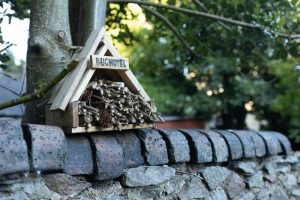
The most effective long-term approach to greenfly control is encouraging the natural predators that keep aphid populations in check. Ladybirds (both adults and larvae), lacewing larvae, hoverfly larvae, parasitic wasps and ground beetles all prey on aphids. A garden with a healthy population of these beneficial insects rarely suffers from serious aphid outbreaks because the predators respond rapidly to rising aphid numbers. The practical steps for encouraging predators are well-established: reduce or eliminate broad-spectrum pesticide use, which kills predators alongside pests; provide overwintering habitat through log piles, leaf litter and insect houses; and grow flowering plants that provide nectar for adult hoverflies and parasitic wasps throughout the season.
Avoiding over-feeding plants with nitrogen-rich fertilisers also reduces aphid pressure. Soft, fast-growing growth produced by excess nitrogen is exactly the type of tissue that aphids prefer and find easiest to pierce. A plant growing at a steady, moderate rate with balanced nutrition produces harder, less attractive foliage than one pushed into rapid growth by heavy nitrogen feeding. This is particularly relevant for roses, where the temptation to feed heavily for maximum flower production can inadvertently create the conditions that make aphid infestations worse and more persistent.
Physical barriers offer useful protection for specific vulnerable crops. Horticultural fleece draped over brassicas and broad beans from late April keeps winged aphids from landing and establishing colonies before the natural predator population has built up. The fleece needs to be removed once flowers open to allow pollination, but for beans in particular this covers the period of highest blackfly risk in May and June when colonies establish most rapidly. Yellow sticky traps hung near vulnerable plants catch winged aphids before they land and give an early warning of increasing aphid pressure, though they also catch some beneficial insects and are better used as monitors than as a primary control method.
Choosing resistant or less susceptible plant varieties is a longer-term prevention strategy worth considering when replanting. Some rose varieties bred in recent decades show significantly better resistance to aphid damage than older cultivars – newer disease-resistant varieties tend to produce harder, tougher foliage as part of a broader resistance package. Similarly, broad bean varieties sown in autumn overwinter as robust plants that are past their most vulnerable growth stage by the time blackfly populations peak in late spring, avoiding the worst of the blackfly season that affects spring-sown beans.
Plant French marigolds (Tagetes patula) near vulnerable plants from late May. Marigolds attract hoverflies whose larvae are voracious aphid predators, and some evidence suggests that chemical compounds released from marigold roots deter aphids from nearby plants. They are also effective at attracting aphids away from more valued plants – a sacrifice crop strategy that concentrates aphid pressure on the marigold, where natural predators gather to feed, rather than on roses or vegetables.
Common Questions
Share on socials: