At a glance
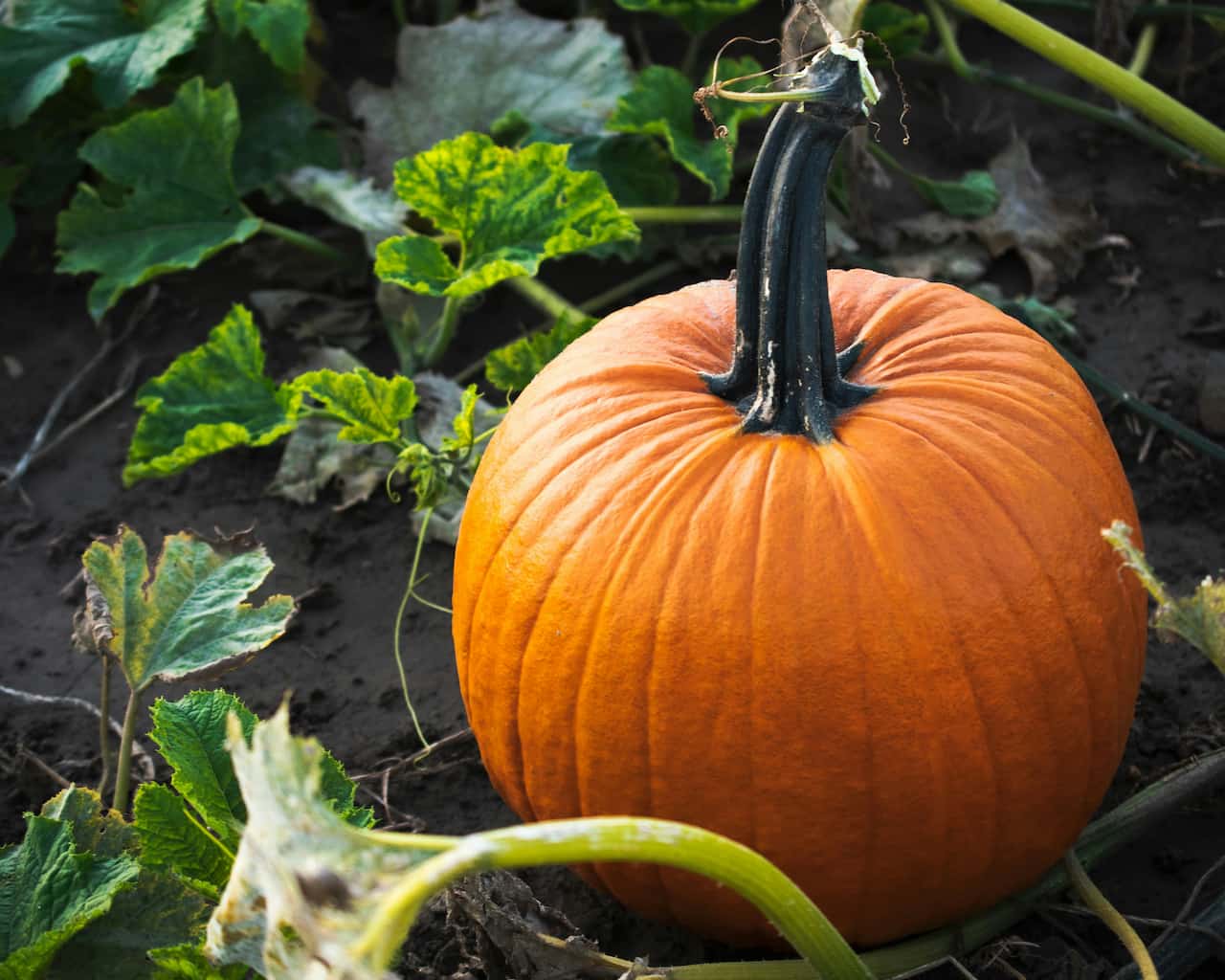
Growing your own pumpkins is one of the most enjoyable gardening projects a UK family can undertake – particularly with children involved. The combination of fast growth through summer, dramatic trailing vines and the visual spectacle of large orange pumpkins developing through August and September makes pumpkins one of the most satisfying crops to grow from seed. They also require less care than their size suggests – once established in rich, moist soil with plenty of space to spread, pumpkins are largely self-sufficient through the growing season.
The main challenge in the UK is timing and space. Pumpkins need a long frost-free growing season and they need room – a single large-fruiting pumpkin plant will cover 3-4 square metres of ground as it sprawls through summer. Planning around these two constraints determines success or failure more than any other factor. Pumpkins and courgettes are closely related plants with very similar growing requirements – a gardener who has grown courgettes successfully will find pumpkins straightforward, the main difference being the much larger space requirement and the longer growing season needed to develop the fruit fully.
Best pumpkin varieties for UK gardens
Grow pumpkins on a mound of compost for the best results. Pumpkins are sometimes called compost heap plants because they grow spectacularly well in nutrient-rich conditions. Before planting, dig a hole 60cm wide and 45cm deep, fill it with a mixture of well-rotted manure and compost, mound it slightly above the surrounding soil and plant into the top. This single preparation step transforms pumpkin performance compared to planting into ordinary garden soil.
Sowing and planting out
Pumpkins are frost-tender and must be sown indoors in the UK. Sow from late April to mid-May for planting out in late May or June after the last frost. Sowing too early produces large plants that become stressed and pot-bound indoors waiting for outdoor conditions. Sow one seed per 9cm pot on its side at 2cm depth – pumpkin seeds germinate best sown on their side rather than flat. Use good quality seed compost. Germination takes seven to ten days at 18-21°C.
Grow seedlings on in the brightest available position – pumpkin seedlings grow fast and need maximum light to prevent leggy growth. Turn pots daily on a windowsill. Pot on to 15cm containers if plants outgrow their starter pots before outdoor conditions allow planting. Harden off for seven to ten days, then plant out after the last frost. Space large-fruiting varieties 2-3 metres apart – they genuinely need the room. Mini and compact varieties can be grown at 1-1.5 metre spacing. Plant into the prepared compost mound and water in thoroughly.
Never plant pumpkins out before the last frost – a single frost kills them. The last frost date varies significantly across the UK. South-west England and coastal areas can often plant out by mid-May. Northern England and Scotland should wait until early June. Check forecasts before planting and keep horticultural fleece to hand for the first few weeks after planting. A late frost after planting can destroy weeks of growing effort in a single night.
Care and feeding
Water pumpkins generously and consistently through the growing season – they are thirsty plants with high water demand. Water at the base and keep consistently moist throughout summer, particularly during fruit swelling in August when water stress produces small, misshapen fruit. Once fruits begin to develop, switch to a weekly high-potash feed such as tomato fertiliser. This drives fruit growth and colour development rather than excessive vine growth.
Once fruits have set and reached tennis-ball size, remove all but two to three per plant (one to two for large Halloween varieties). This concentrates the plant’s energy into fewer, larger, better-quality fruits. Place a tile or piece of wood under developing fruits to lift them off the damp soil – this reduces slug damage and prevents rotting where the fruit contacts the ground. Hand pollinate if fruit is not setting: transfer pollen from male flowers (no small pumpkin at the base) to female flowers (small pumpkin visible at the base) using a small brush or the male flower itself. UK summers are not always warm enough for reliable insect pollination.
Harvesting and curing
Pumpkins are ready to harvest when the skin has hardened to the point that a fingernail cannot easily penetrate it, the stem is beginning to cork and dry, and the fruit has developed its full colour. This is typically September to October in the UK. Do not wait until the first frost – frost damages pumpkin skin and significantly reduces storage life.
Cut pumpkins from the vine with a sharp knife, leaving at least 5cm of stem attached. A pumpkin without a stalk deteriorates rapidly. Once harvested, cure the pumpkin in a warm dry place (18-27°C) for ten to fourteen days. Curing hardens the skin further and seals any minor cuts or damage, dramatically extending storage life.
Storage
A properly cured pumpkin stored in a cool, dry, frost-free location (10-15°C is ideal) keeps for three to six months – most eating varieties store well into January or February from an October harvest. Avoid storing on concrete floors which draw moisture and cause rotting at the base. A wooden shelf or piece of cardboard beneath the pumpkin maintains airflow and reduces rot risk. Check stored pumpkins monthly and remove any showing signs of softening or mould immediately.
Common problems
Pumpkins are one of the most visually spectacular and satisfying crops a UK garden can produce. Give them space, rich soil and consistent water through summer and they will reward you with fruits that last well into winter.
Share on socials: