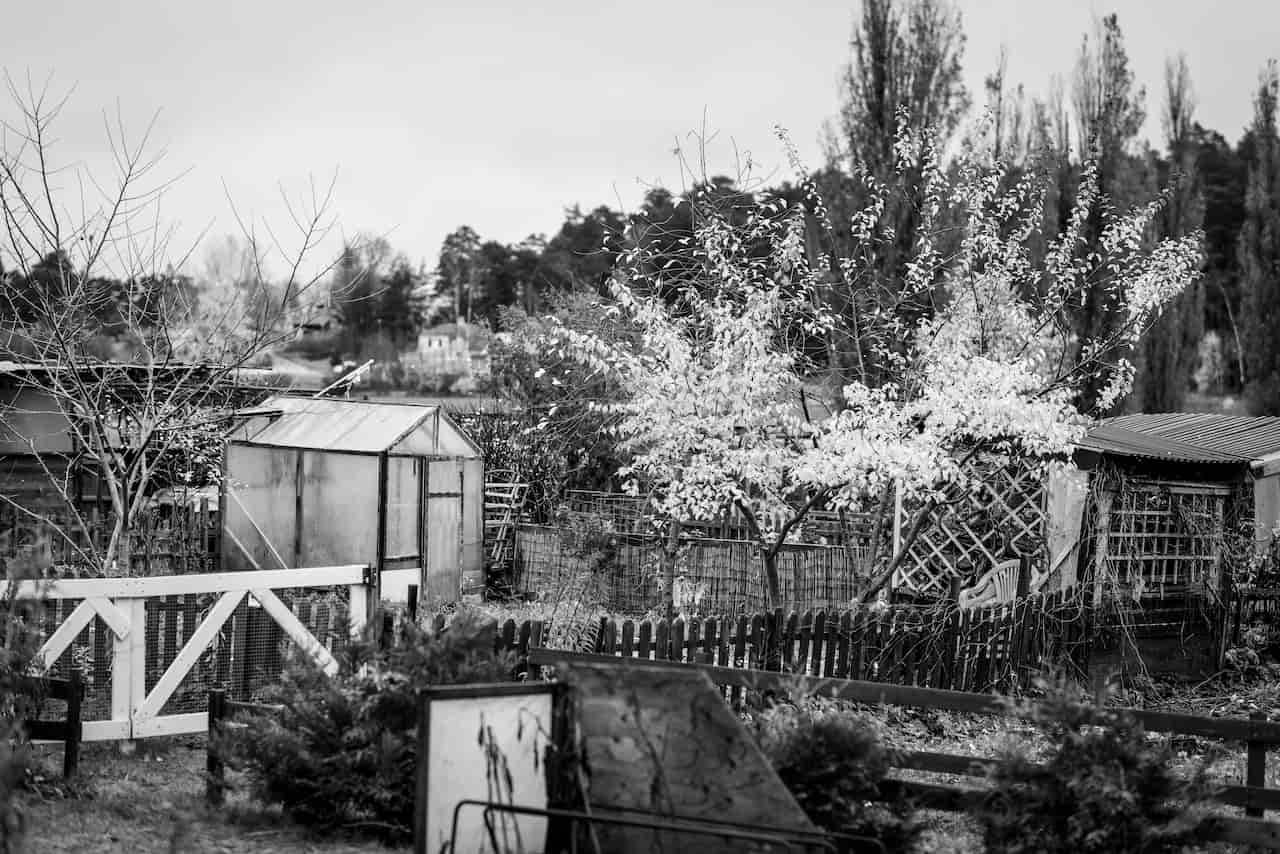
At a glance
I had a phone call last week from a friend who’d just been handed the keys to her first plot, full of the kind of excitement you only get before you’ve stood on the thing in the rain trying to find where the path ends and the nettles begin. She wanted to know what she needed to buy before she started. That’s not really the question, as it turns out, and it took me a while to explain why without sounding like I was trying to put her off.
Twenty five years in, I’ve made most of the mistakes a beginner can make on an allotment, some of them more than once, and I’ve watched plenty of other people make them too from the other side of the fence. There’s a reason so many new plot holders disappear within a couple of seasons, and it’s rarely because the growing itself was too hard. It’s because of a handful of avoidable things nobody told them before they signed the agreement.
Why so many people give up in the first year
I’ve sat on a site committee long enough to watch this play out. Within eighteen months of one site’s first intake, nine out of every ten people who started alongside that group had walked away, and that’s not a number I’ve made up to sound dramatic, it’s what happened. Over a longer stretch I’ve watched roughly half of all new plot holders give up inside two years.
None of that comes down to the digging being too hard or the slugs winning. It comes down to a few specific, fixable mistakes made early on, the kind that pile up until the plot stops being a hobby and starts being a chore you’re avoiding. Catch them before they happen and you’ve got a far better chance of still being out there in five years’ time.
Sorting out what you’re taking on
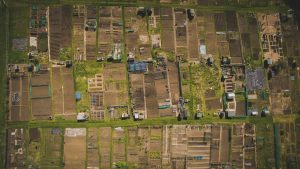
Before you even sign anything, have a proper look at what’s on offer. A full plot is around 250 square metres, which sounds modest until you’re stood on one wondering where to start, and most sites will let you take on half that instead if a full plot feels like too much for a first go. I’d push anyone new towards the half plot every time. You can always ask for more once you’ve proved to yourself you can keep up with what you’ve got.
I’ve seen people jump at the first plot offered just to get started, and end up with a weed choked mess on a site with no facilities, when waiting another few months for a tidier plot somewhere better run would have saved them a year of misery. Sometimes the patient option really is the better one.
Taking on too much, too fast
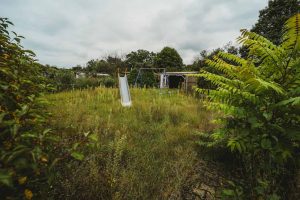
This is the big one, the mistake that probably accounts for more dropouts than everything else on this list combined. You get the keys to an overgrown plot and the instinct is to clear the whole thing in one almighty weekend, dig every bed, plant everything at once, and end up either flat on your back for a week or so disheartened by the size of the job that you never go back.
If you can clear a plot by early spring you’re in a decent position to get the most from it that first year. If it’s badly neglected, and most first plots are, that’s just not realistic, and there’s no shame in it. Make a plan that spreads the job across a year or two rather than one. Clearing half the plot and leaving the rest under cardboard or a ground sheet for now is a sensible move, not a failure. I’ve done it myself more than once and the bit left covered always comes good eventually.
Take photos as you go. There will be a fortnight in midsummer where it feels like nothing’s changed and the weeds have won, and having something to scroll back through that shows where you started makes a genuine difference on the days you’re ready to hand the keys back.
Clearing it the hard way, and getting the soil wrong
Trying to clear an overgrown plot entirely by hand is back breaking, and it’s a mistake nearly everyone makes once. Trees, shrubs and anything woody like brambles need cutting and digging out properly, the wood can go off to be shredded and composted, but the roots of perennial weeds have to come out first or you’re just burying the problem and it’ll be back. None of that goes on the compost heap.
Smothering with an opaque mulch is the easier route for ground you’re not planting this season, though it wants a full growing season to work, so don’t expect results in a fortnight. Carpet used to be the go to for this and isn’t recommended any more, compost, cardboard, manure and the like do the job better and don’t leave fibres in your soil for years afterwards. It’s easy to overdo the clearing on a new plot and burn yourself out trying to get it all pristine at once. It can genuinely take a few seasons to bring a badly neglected plot fully into cultivation, and that’s fine.
Once it’s clear, get a soil test done before you plant anything. It tells you whether you’re dealing with something acid or alkaline and whether it wants lime or feeding, and that fifteen minutes with a cheap kit saves a season of wondering why nothing’s thriving. Watch out for clubroot and onion white rot specifically on a newly taken plot too, both are soil borne and far more common on ground that’s sat neglected for a while than on land that’s been worked steadily. Pay attention to where the sun falls too, and which way the wind comes from, because a plot that’s shaded for half the day needs different crops to one that bakes all afternoon.
Growing things you won’t eat
I still see this every single year on our site, beautiful cabbages left to rot because nobody in the house wanted to eat a cabbage, swedes and beetroot left in the ground until they’re the size of a football and too woody to bother with. It’s an easy trap, you’ve got the space, the seeds are cheap, so you plant the lot. Before you sow anything, have a think about what you actually cook and eat at home, because growing food nobody wants is just a more elaborate way of composting seed packets.
The flip side of this is sowing everything in one go rather than little and often. A full row of lettuce sown on the same day all matures on the same day, and you end up eating salad for a fortnight straight before it bolts and you’re throwing half of it away anyway. Sow in smaller batches a few weeks apart for anything that doesn’t store or freeze well, and you’ll use what comes up instead of giving it away in a panic.
Seed packets are also more generous with their sowing windows than they let on. They’ll often say sow over two or three months, and the temptation as a beginner is always to go for the earliest possible date because you’re impatient to get started. Resist it. What works in a sheltered southern garden won’t necessarily work on an exposed plot further north, and a cold snap can wipe out an early sowing that a few weeks’ patience would have avoided entirely.
Skipping mulch, and not knowing your own ground
I ignored mulch for longer than I’d like to admit when I started, mostly because I didn’t really understand what it was for. It’s just organic material laid straight on the soil, and it feeds it, stops weeds coming through, holds moisture in, and saves your back doing all three. What you use matters though, I tried straw one year on my plot and ended up with what felt like every slug on the site living underneath it, well rotted manure works far better for me given how wet and cool it gets here. Once I started laying compost on top each autumn instead of digging the beds out, I had the best growing year I’d had up to that point, less weeding, less watering, and better crops for noticeably less effort.
Get to know your own plot’s pests and weeds early rather than learning them the hard way. Ask whoever’s on the next plot what they’re fighting, because it varies more site to site than you’d think.
Letting seedlings get eaten, working too hard, and not reading the small print
Spring lulls you into a false sense of security. You plant out healthy looking seedlings, give them a water, stand back pleased with yourself, and go back the next day to find slugs and snails have stripped the lot overnight. Protect anything you’ve just planted out straight away rather than waiting to see if it needs it.
Protect before the damage, not after. A ring of any of these round freshly planted seedlings costs you a couple of minutes and saves coming back the next morning to nothing but stalks. I keep meaning to try nematodes too, watered into the soil rather than scattered round the plant, though I’ve not got round to it yet.
Pacing yourself matters more than people expect. A full day of digging, weeding and planting can leave you unable to move properly for days afterwards, and by the time you’ve recovered enough to go back, two or three weeks have passed and the weeds have undone half of what you did. Half an hour to an hour a few times a week beats one heroic day a fortnight, both for your back and for staying on top of the plot.
Read the tenancy rules before you get too attached to a plan. Every site sets its own conditions on sheds, fences, ponds and fruit trees, and most carry out inspections expecting a certain amount of cultivation to be kept up. I’ve known someone plan a whole shed and sitting area only to find their site doesn’t allow sheds at all. Five minutes with the paperwork avoids that particular disappointment.
Money, company, and not giving up
It’s easy to spend far more than you need to in that first excited month.
You don’t need much beyond the basics, the rest can wait or be bought second hand. A community seed swap will get your seed costs down to a fraction of what you’d pay buying packets new, and there’s no shortage of people on most sites happy to pass on spares.
Find people to grow alongside if you can. I started without knowing another gardener and missed out on a year or two of advice I could have had just by asking the person on the next plot. Most allotment communities are generous with tips, cuttings and the odd spare seedling, and it makes the slow weeks far easier to push through.
You’ll make mistakes, every single person on every site has, myself very much included. The plot holders who last aren’t the ones who got everything right first time, they’re the ones who took a break when they needed one, asked for help instead of struggling alone, and kept their eye on what was working rather than dwelling on what wasn’t. Stick with it past that first rough patch and it gets easier faster than you’d expect.
Share on socials: