At a glance
Top dressing is one of the most effective lawn care techniques available and one that many homeowners have never tried. Used regularly as part of an annual autumn lawn renovation, it gradually improves soil structure, fills hollows and dips, feeds the lawn from the surface down and creates the conditions that professional-quality grass needs to thrive. It is not a quick fix – a seriously uneven or soil-poor lawn takes several seasons of top dressing to transform – but the cumulative improvement is significant and consistent.
The concept is simple: apply a thin layer of a carefully chosen material over the surface of the lawn, work it into the grass with a brush or the back of a rake, and allow it to settle into the soil structure below. Over time the improved growing medium penetrates downward, the lawn’s root zone improves and the surface becomes progressively more level and healthy.
What is top dressing and why does it help
- Improves soil structure – adding sharp sand to a clay-heavy soil progressively improves drainage and aeration over several applications
- Levels the surface – applied to hollows and dips, top dressing gradually raises low spots toward the level of surrounding turf
- Feeds the lawn from below – the organic matter in the compost component breaks down slowly, releasing nutrients directly into the root zone
- Supports overseeding – applied immediately after overseeding, top dressing provides a growing medium that keeps seed moist and improves germination rates significantly
Choosing the right top dressing material
| Material | Best for | Avoid if | Cost |
|---|---|---|---|
| Purpose-made lawn top dressing | General improvement | Budget is tight | £8-15 per 20kg |
| Sharp sand and compost (50/50) | Clay soils needing drainage improvement | Already sandy soil | £5-10 per 20kg DIY mix |
| Loam-based mix | Poor quality or thin topsoil | Already good soil | £10-18 per 20kg |
| Pure sharp sand | Filling aeration holes only | General surface application | £3-6 per 20kg |
Match the top dressing to your existing soil type. Adding a heavy loam top dressing to a light sandy soil creates a layered effect that actually impedes drainage – water sits at the interface between the two soil types. Match as closely as possible to your existing soil – sandy soil gets a sandier mix, clay soil gets a mix with more sharp sand to improve drainage gradually.
When to top dress a UK lawn
Autumn is by far the best time to top dress a UK lawn – specifically September and October after scarifying and aerating and before any overseeding. Grass is still actively growing in early autumn which means it quickly grows up through the top dressing and re-establishes. The autumn rains work the material into the surface naturally and by spring the improvement is fully integrated.
Avoid top dressing in summer – hot dry conditions dry out the material before it can work into the surface. Spring top dressing is possible but less effective than autumn as the time the material has to integrate before summer is limited.
As an Amazon Associate I earn from qualifying purchases. Prices correct at time of publishing.
How to top dress step by step
- 1Scarify and aerate firstTop dressing always works best on a prepared surface. Scarify to remove thatch and aerate to open up the soil before applying. The material settles into aeration holes and the open surface rather than sitting on dense thatch.
- 2Apply at 3-5mm depth maximumSpread top dressing evenly across the lawn applying no more than 3-5mm in any single application. Too thick an application smothers the grass – it should be thin enough that grass tips are visible through the dressing after application.
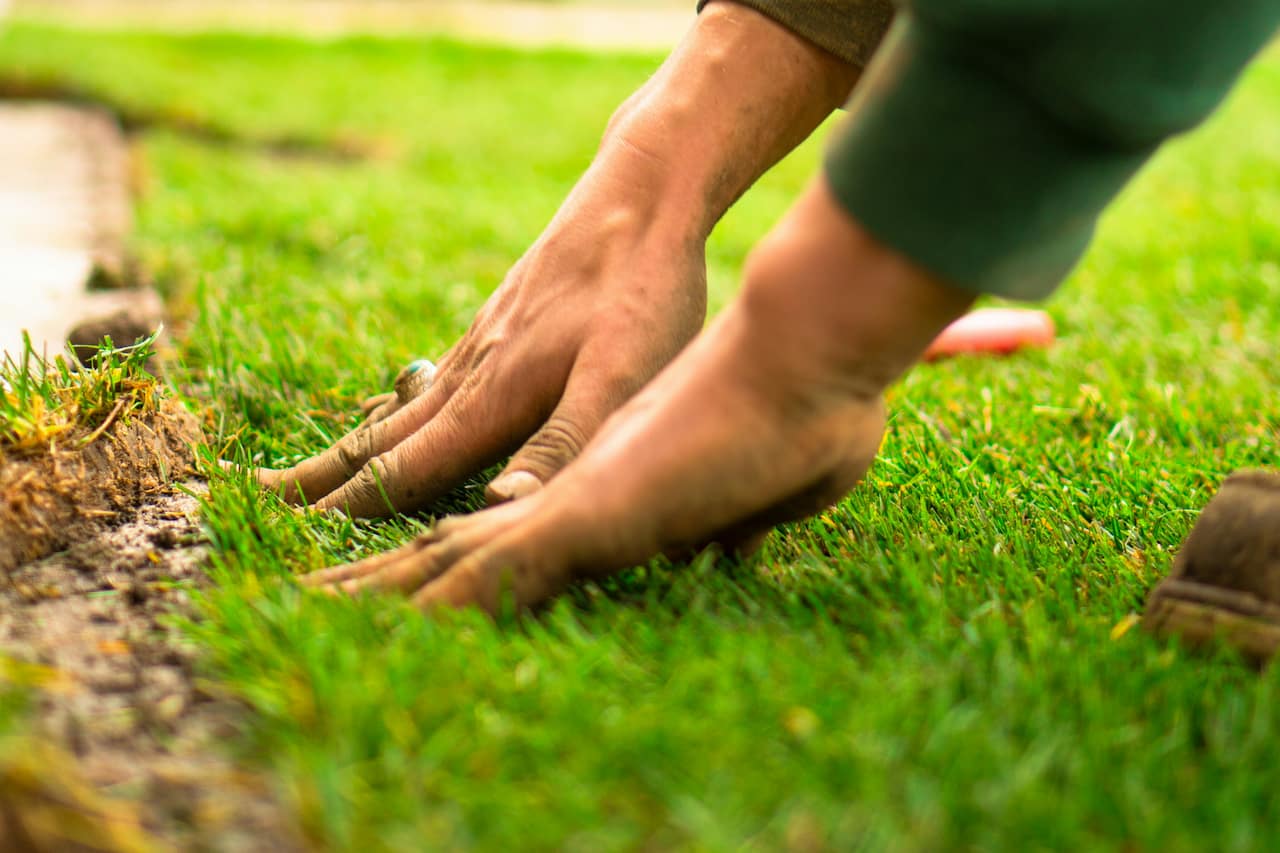
- 3Work it in with a stiff brushUse a stiff-bristled broom or the back of a garden rake to work the material down into the grass, filling low spots and ensuring even coverage. Work in different directions to avoid dragging it all one way.
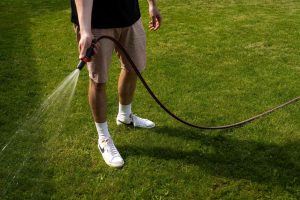
- 4Water in thoroughlyWater immediately after application to help the material settle into the soil and prevent it blowing away in wind.
- 5Overseed if requiredIf overseeding at the same time, apply seed after the top dressing has been worked in and watered. The moist top dressing provides an ideal germination medium.
Using top dressing to level a bumpy lawn
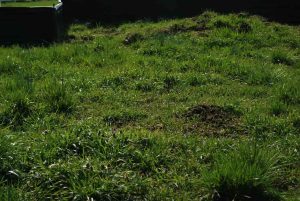
For a lawn with significant hollows and dips, top dressing is the safest and most effective levelling method – safer than cutting out and relaying turf, which disturbs a large area and risks the repaired section showing for years.
Apply a thicker layer of top dressing specifically to low spots rather than evenly across the whole lawn – up to 10mm to the lowest points, working outward and reducing depth as you approach the surrounding level. Repeat each autumn until the surface is level. Most hollows respond to 2-3 seasons of targeted treatment.
Never apply more than 10mm of top dressing to low spots in a single application. Deeper applications smother grass completely and create dead patches that need reseeding. Multiple thin applications over several seasons is far more effective than a single deep application.
Aftercare and what to expect
- The lawn will look rough and covered for the first week – this is completely normal
- By 2-3 weeks the grass grows up through the top dressing and the lawn looks normal again
- Improvement in drainage and surface evenness is gradual – most noticeable after the second or third annual application
- Do not mow for at least 2 weeks after top dressing – allow the material to settle and any overseeded grass to establish
- First mow after top dressing should be at a higher setting than usual to avoid scalping the lawn
Top dressing is the professional lawn care technique that most homeowners have never tried but should. Used annually in autumn as part of a complete lawn renovation alongside scarifying and aeration, it progressively improves any UK lawn regardless of its starting condition. For more on autumn lawn care read our guide on how to aerate a lawn in the UK.
As an Amazon Associate I earn from qualifying purchases. Prices correct at time of publishing.
Share on socials: