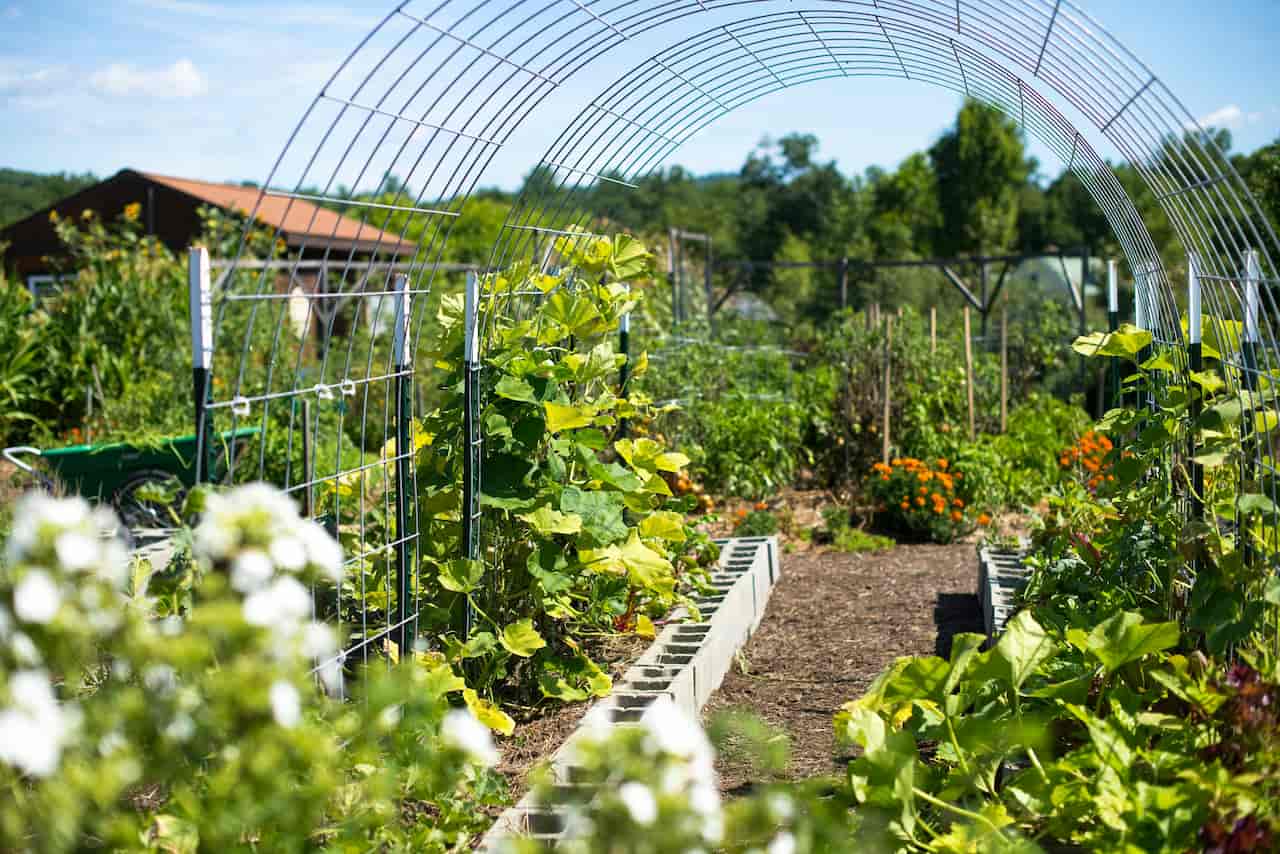
Community growing projects exist on a spectrum from a single raised bed outside a sheltered housing block to a network of growing spaces linked across an entire neighbourhood. What they all share is a commitment to producing fresh food collectively in space that is shared rather than privately owned, and an understanding that the social and wellbeing benefits of the growing process are as valuable as the produce itself. The range of project types available in the UK is wider than most people realise – street verge gardens, shared allotment plots, school kitchen gardens, hospital therapeutic gardens, housing estate growing projects and pop-up herb gardens all fall under the community growing umbrella, each with its own opportunities and requirements.
The decision about which type of project to pursue should be driven by what is realistically achievable given the available people, space and time – not by what would be ideal in a perfect world. A single raised bed that is consistently maintained and produces a visible harvest every season is a more valuable community asset than an ambitious multi-bed project that collapses after six months because the volunteer commitment was not there to sustain it. Starting small, demonstrating consistent success and expanding gradually is the approach that produces the most durable community growing projects in the UK. The projects that endure are almost never the ones that started biggest – they are the ones where the founding group matched their ambition honestly to what they knew they could deliver week to week, year after year, even when enthusiasm was lower than at launch.
Types of Community Growing Project
Community growing project types – what each requires
Street and verge growing
Growing in public highway verges or pavement strips with permission from the local highways authority. Very low cost and highly visible – excellent for engaging passers-by and building neighbourhood awareness. Best suited to herbs, flowers and hardy low-growing vegetables. Most councils have a simple licence process and many actively encourage this kind of community-led street improvement. No insurance is typically required for small-scale planting, but confirm with the authority before starting work.
Estate and housing growing
Raised beds or containers in shared communal areas of housing estates or blocks of flats, managed by residents. The landlord or housing association provides permission and ideally some support. Works best where a few enthusiastic residents take genuine ownership. Growing directly connects to the people who live there and creates a strong sense of place. The best projects often start with one enthusiastic household and spread naturally as neighbours see the results and want to get involved themselves.
Shared allotment plot
A council allotment plot taken collectively by a small group rather than an individual. The group shares the rent, the work and the harvest. Provides structured growing space with existing infrastructure including water and storage. Ideal for people who want the full allotment experience but cannot manage or afford a plot alone. Waiting lists apply in many areas – joining an existing allotment society or
community growing group can help access growing space considerably faster.
School kitchen garden
A growing project within a school, managed jointly by staff, children and parent volunteers. Connects to the curriculum across science, food technology and PSHE, and gives children direct experience of food production from seed to plate. Requires a committed teacher champion and a clear plan for school holiday maintenance. The RHS Campaign for School Gardening provides free registration, resources and mentoring for UK school growing projects.
Whichever project type is chosen, the same foundational step applies before any growing begins: secure written permission from the relevant landowner or authority. This is not just a legal requirement – it protects the project from being dismantled without warning and provides a basis for applying for funding and grants. Most landowners, councils and housing associations are supportive of community growing projects when approached with a clear, modest, written proposal that outlines what will be planted, who will maintain it, how it will be managed in the long term and what happens if the project ends. a one-page outline covering these four practical points is almost always sufficient for small-scale projects, and presenting it professionally signals that the group is serious and worth engaging with as a long-term partner.
What to Grow and When
Crop
Spring
Summer
Autumn
Winter
Suitable
Possible
Not recommended
For a first-season community growing project, salad leaves and herbs are by far the best starting point. Both germinate quickly and reliably, produce a visible harvest within 4-6 weeks of sowing, require minimal space and almost no specialist knowledge to grow successfully. The speed of the harvest matters particularly for community projects – people who can pick salad leaves from a bed they helped plant within a month of starting feel a genuine, tangible connection to the project that sustains long-term involvement. Slow crops like parsnips or brassicas that take months to mature, or that fail entirely if conditions are not exactly right, are demoralising for new groups and should wait until the project is established and the growing team has confidence in what they are doing.
In subsequent seasons, the crop list can expand as the group’s knowledge and confidence grows. Courgettes are an excellent second-season crop – they are almost impossible to fail with in UK conditions, produce prolifically from a single plant and generate visible results that engage the wider community. A courgette plant in full productive summer growth in July and August is a conversation starter and a practical demonstration of what the project achieves. Climbing beans (runner or French) use vertical space efficiently in raised beds, produce a long cropping season from July through October and are satisfying and straightforward to harvest. Garlic planted in autumn and harvested the following midsummer bridges the hungry gap in the growing calendar and provides a tangible result from the quieter winter and early spring period of the project when little else is happening in the beds.
Amazon
Community growing essentials – UK picks
As an Amazon Associate I earn from qualifying purchases. Prices correct at time of publishing.
Keeping it Going – Key Facts
Weekly commitment
30-60 minutes in growing season – watering is the key task
Min group size to sustain
3 people – ensures holiday cover and shared workload
Most common failure reason
One or two people doing everything – spread the tasks from day one
Holiday watering plan
Essential from May onwards – a rota or automated irrigation saves projects
Harvest sharing approach
Agree this before planting – equal splits or first-come-first-served both work
⚠️Never let a good harvest go to waste. Surplus produce that sits unpicked on the plant demoralises growers and signals poor management to the wider community. Have a plan for surplus before the growing season starts – local food banks, community fridges, neighbour networks and community events can all absorb excess harvest. A project that is visibly generous with its produce becomes a neighbourhood asset; one that lets vegetables rot on the plant becomes a source of criticism.
Common Questions Answered
Q
Do I need public liability insurance for a small growing project?
For a very small informal project – a single container or bed maintained by a couple of neighbours – insurance may not be a formal requirement. However, most landowners including councils and housing associations will require it before granting any form of permission. A community group public liability policy typically costs £100-200 per year and is worth arranging before approaching any landowner, as having it in place signals professionalism and seriousness to the people who control the space.
Q
What if someone damages or vandalises the project?
Vandalism is a genuine risk for any community project in a public space. High visibility is the best deterrent – projects that are clearly loved, well-maintained and visibly used suffer less vandalism than neglected or underused ones. A sign explaining what the project is and who it benefits, with contact details, humanises the space and significantly reduces opportunistic damage. Involving local young people in the project from the start removes the most common source of risk.
Q
Can we get funding for a small project?
Yes – small grants are available for community growing projects at every scale. The National Lottery Community Fund’s Awards for All programme, local authority community grants, parish council funding and charitable trusts all fund growing projects. Many garden centres and seed companies also run community growing grant schemes. A project does not need to be large or formally constituted to access small grants – a one-page application describing the project, who benefits and what the money will be spent on is sufficient for most small-scale funding sources.
Q
What happens if key people move away or lose interest?
This is the most common reason community growing projects fail. The solution is building broad involvement from the start rather than relying on a small core. Documenting everything – what is planted, what needs doing and when, where tools are kept – means a new volunteer can step in without needing to ask the founder. Recruiting replacement members before key people leave, rather than scrambling after they go, is the single most important succession practice for small community growing projects.
Amazon
Community growing essentials – UK picks
As an Amazon Associate I earn from qualifying purchases. Prices correct at time of publishing.