At a glance
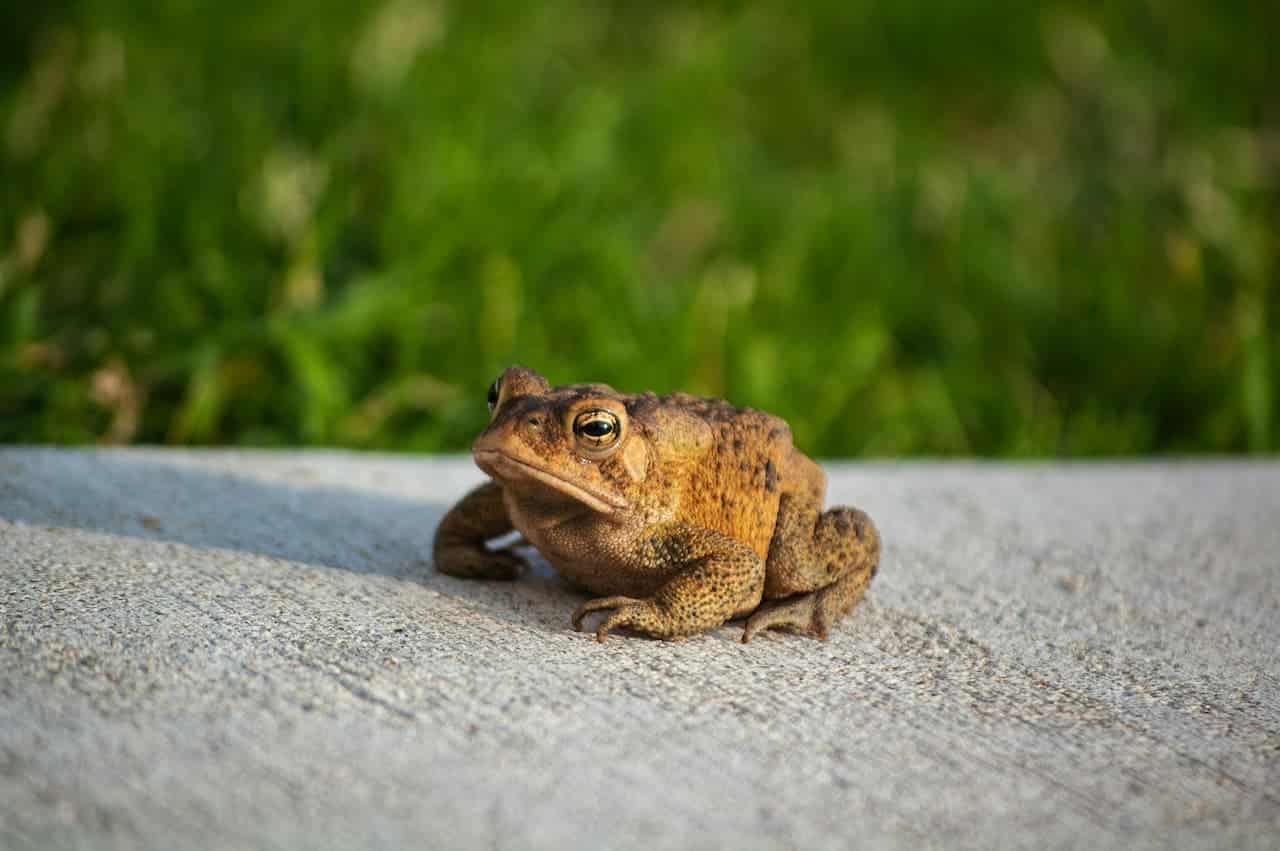
The common toad (Bufo bufo) is one of Britain’s most effective garden allies and one of its most under-appreciated. A single adult toad consumes enormous numbers of invertebrates through the summer – slugs, beetles, ants, woodlice and soil-dwelling pests that cause real damage to vegetable gardens and borders. Unlike the common frog, which tends to stay close to water, the toad is primarily a land-dwelling animal that ranges widely through gardens, hunting on warm evenings from early spring through autumn. Having toads established in a garden is one of the most effective forms of natural pest control available to UK gardeners.
Garden toads are not necessarily from a pond within your garden. Toads have strong homing instincts and return faithfully to the pond where they were born to breed each spring, but they spend the rest of the year on land and their foraging range extends well beyond a single garden. A toad that uses your garden may have been born in a pond on the other side of the street, in a neighbour’s garden, or in a park nearby. This means that even gardens without a pond can attract and support resident toads – the pond matters for breeding, but land habitat matters for everything else, which is most of the year.
It is worth understanding the conservation context. Toad populations across Britain declined by 41% in the 40 years to around 2025, according to research published in the journal Biodiversity and Conservation. The common toad is a UK Biodiversity Action Plan priority species – a designation it earned in 2007 in recognition of the scale and persistence of its decline. Road mortality during spring migrations, habitat loss, pond drainage and pesticide use have all contributed. What this means in practice is that attracting and supporting toads in your garden is a genuine conservation act, not just a nice-to-have. With good habitat, a single garden can support a resident toad population for years.
Toads vs frogs – key differences
Common toads are frequently confused with common frogs, but the two animals look and behave quite differently. Toads are larger and more heavily built, with dry, rough, warty skin that ranges in colour from mid-brown to olive and grey. Frogs have smooth, moist skin and are usually brighter in colouration. In terms of movement, toads walk rather than hop – they move deliberately and slowly across the ground, which is part of why they are so vulnerable to road traffic. A frog springs away when disturbed; a toad tends to sit still or walk calmly away.
The distinction matters practically because the two animals have somewhat different habitat needs. Toads need more emphasis on land-based shelter and less emphasis on shallow open water. They will use a garden pond for breeding but spend the rest of the year entirely on land, often ranging well away from the water they were born near. Understanding this land-dwelling habit is the key to providing the right habitat.
The toxin produced by glands behind the toad’s eyes – the parotoid glands – is effective against most would-be predators. Grass snakes, hedgehogs and some birds have developed tolerance for it, but most mammalian predators including cats and dogs quickly learn to leave adult toads alone after an unpleasant first encounter. It causes no lasting harm to them and should not deter anyone from encouraging toads into a family garden. The toad itself is harmless to handle, though washing hands afterwards is sensible practice.
Creating toad shelter
Because toads spend the vast majority of the year on land – not in water – suitable daytime and winter shelter is the single most important thing a garden can provide. Toads need cool, damp, dark places to rest during the day and to hibernate safely from October or November through to late winter. Without this, a garden that might otherwise support toads will not hold them reliably.
Compost heaps deserve special mention as toad habitat. They combine warmth, dampness, shelter and an extraordinary concentration of invertebrate prey. A compost heap that is undisturbed for weeks at a time is likely to harbour resident toads through summer and may be used as a hibernation site in winter. This is an argument for having a second, resting heap that is not being actively turned – one heap for adding fresh material and one left undisturbed provides a continuous habitat structure. The risk of the compost heap is the fork: always check before turning compost from October onwards and in any month use the back of the fork or hand-sort the top layer first.
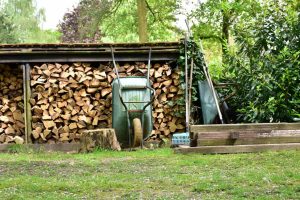
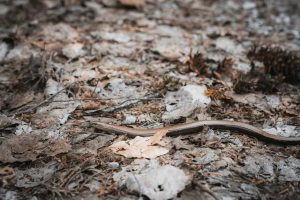
The simplest toad house is an upturned clay flowerpot with a piece chipped from the rim to create a toad-sized entrance. Half-bury it so the rim sits at ground level and position it in a permanently shaded, damp spot. Purpose-made ceramic toad houses are also available and work well, though the recycled pot version is equally effective. Log piles, stone piles and areas of dense low-growing plants all provide natural shelter and are arguably more valuable than a single toad house because they offer more choice of microhabitat. A well-positioned log pile in the corner of a garden is one of the single best wildlife features you can create – it provides shelter for toads, hibernation sites for hedgehogs, hunting grounds for ground beetles, and habitat for the slow worm and many invertebrate species.
Water and breeding
Toads need water only for breeding, which takes place from March to May in the UK. Outside of the breeding season – which is perhaps two to four weeks for any individual toad – they live entirely on land. This land-based lifestyle is what distinguishes them from frogs and is why a garden can attract and support toads even without a pond: toads from neighbouring properties or from nearby ponds will use the garden as hunting territory for the rest of the year. However, having a pond close by substantially increases the chance of toads using your garden regularly, since they are strongly loyal to their birthplace and will return to the same breeding site year after year.
If you do have a pond or are considering adding one, it does not need to be large to attract breeding toads. A depth of at least 60cm is useful, as toads tend to favour slightly deeper water than frogs for spawning. Toad spawn is laid in long, double-stranded strings wrapped around submerged vegetation – marginal pond plants such as water mint, iris and rushes provide the anchor points the strings need. If there is no submerged vegetation the spawn may not anchor properly and will not develop successfully. A pond without marginal planting is a less useful breeding site than one planted up.
If you are building a new pond specifically to attract amphibians, slope one edge gently into the water so that toadlets can crawl out easily when they leave the pond in early summer. Tiny toadlets – often just 10mm long – will drown if the pond sides are vertical and there is no exit route. A shallow ramp of stones or a planted edge that extends into the water solves this. The pond does not need to be elaborate or expensive. Even a half-barrel or a large container sunk into the ground and filled with water and a few marginal plants can function as a breeding site if it is accessible from all sides and has a gradual entry point.
Toads are famous for migrating en masse to their natal breeding ponds on the first warm, damp evenings of late winter and early spring. These migrations often cross roads, and the road mortality during breeding migrations is estimated at around 20 tonnes of toads per year across the UK. If you notice large numbers of toads crossing a road near your home in February to April, the charity Froglife coordinates a national network of toad patrols – volunteer groups who collect and carry toads safely across roads during peak migration. This is one of the most direct forms of wildlife conservation assistance available to anyone in the UK.
Garden habitat for toads
Beyond shelter and water access, the broader garden environment matters enormously. A chemically managed garden – one that uses slug pellets, insecticides and herbicides routinely – is fundamentally hostile to toads. Toads encounter slug pellets by eating poisoned slugs. The pellet poisons the slug, and the toad eats the poisoned slug and ingests the toxin. Both metaldehyde and ferric phosphate-based pellets have been implicated in toad deaths in this way. Stopping slug pellet use entirely is the single most immediate improvement any garden-owner can make for toads.
Vegetation structure matters as much as the absence of chemicals. Toads hunt in the evening and at night, moving through the garden in search of prey. They need a route – connected by dense low planting, border edges and damp ground – from their daytime shelter to their hunting grounds. A highly manicured garden with no rough ground, no leaf litter, no dense herbaceous planting and no untidy corners offers very little to a toad. The messier parts of the garden are almost always the best parts for wildlife. A corner left rough, with accumulated leaf litter, a few old logs and some dense ground-level cover, may not look like a garden feature but it is one of the most valuable things in the garden from a wildlife perspective.
Connecting your garden to neighbouring gardens is valuable for toads as it is for all ground-level wildlife. Gaps in fences and walls at ground level – the same openings promoted for hedgehog corridors – allow toads to move between territories as conditions change through the season. A single isolated garden can support a resident toad, but a network of connected gardens in a street or neighbourhood supports a much larger population and provides routes away from danger when threats arise. If you can co-ordinate with neighbours to maintain these connections, the benefit to the whole local wildlife community extends well beyond toads.
Raised vegetable beds and kitchen gardens are prime toad hunting grounds. The combination of disturbed soil that brings invertebrates to the surface, the presence of slugs and other pests attracted by the crops, and the regular activity that turns over soil and exposes prey makes a vegetable area highly attractive to foraging toads. A toad that establishes a territory covering a vegetable garden will consume remarkable numbers of slugs across a season – a genuine alternative to pellets that builds in effectiveness as the toad population becomes established.
Threats and how to help
Understanding what threatens toads makes the garden interventions more purposeful. Almost every threat has a corresponding action that individual garden-owners can take.
One practical point about the Wildlife and Countryside Act 1981: common toads are protected under this legislation, though the protection is primarily against sale and trade rather than incidental harm during garden work. The law does not create obligations for gardeners beyond taking reasonable care, but it does reflect the legal recognition of the toad’s declining status. The more relevant incentive for most gardeners is simply that toads are worth having – they are free, effective, self-maintaining pest control that improves each year as the population establishes.
The actions that make the most difference are also the simplest: stop using pesticides, check before cutting long grass, and avoid digging in autumn without first checking for hibernating animals. None of these require significant cost or effort. A garden managed this way becomes progressively better toad habitat over time as a resident population builds. Toads are territorial and long-lived – a toad that finds reliable shelter and food in your garden will return to the same garden each year and may live there for a decade or more.
Seasonal toad calendar
A garden that successfully attracts toads tends to also attract slow worms, grass snakes, hedgehogs and a wide range of beneficial insects and invertebrates. The habitat features that toads need – damp corners, log piles, long grass edges, absence of chemicals, connected ground-level routes – are the same features that benefit almost all garden wildlife. Improving your garden for toads is rarely a single-purpose act. It is more accurately described as shifting the garden’s character toward a wilder, more structurally complex habitat that the full community of garden wildlife can use.
The sparkline below shows the relative activity levels of toads through the year and the timing of the activities most relevant to gardeners.
Share on socials: