At a glance
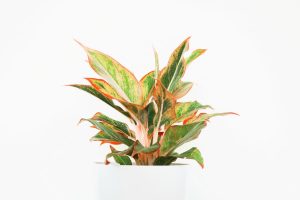
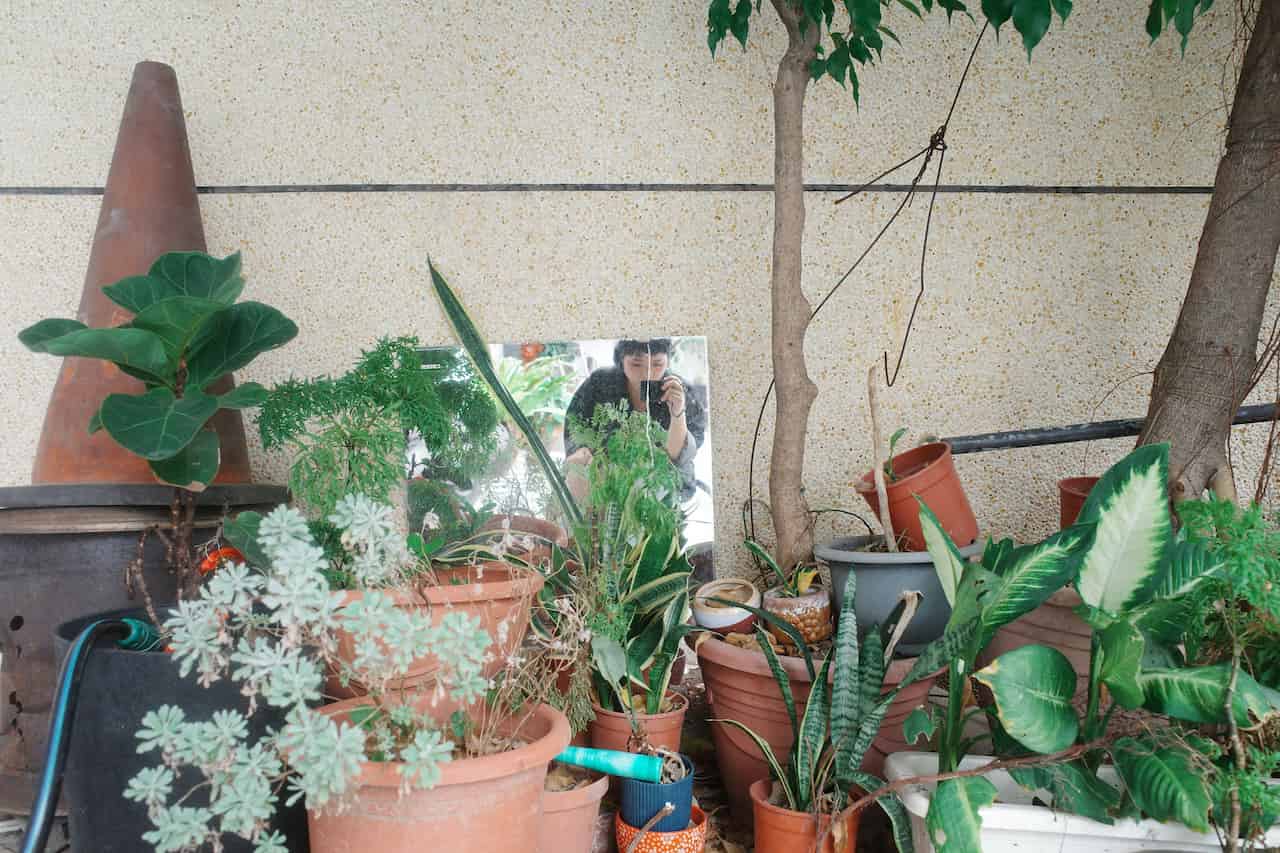
Dieffenbachia – sometimes called dumb cane – is one of the boldest foliage houseplants available in the UK. Its large, patterned leaves in combinations of green, cream, and yellow give it a tropical presence that suits contemporary interiors well, and it grows quickly enough to make a significant visual impact within a single season. For a houseplant that looks this dramatic, it is also relatively straightforward to grow, making it popular with both beginners and experienced plant collectors.
Before anything else, the toxicity of this plant needs to be acknowledged. Dieffenbachia sap contains calcium oxalate crystals that cause intense burning and swelling of the mouth and throat if ingested, and severe skin irritation on contact. This is not a plant for homes with young children or pets that chew houseplants. It sits alongside the pothos and peace lily in the category of popular but genuinely toxic houseplants that require careful placement. If you have read that warning and are satisfied with where the plant will live, dieffenbachia is an excellent choice.
Toxicity – important safety note
All parts of the dieffenbachia plant are toxic to humans, cats, dogs, and most other pets. The sap in the stems and leaves contains calcium oxalate crystals that cause intense oral irritation, swelling, and temporary inability to speak if chewed or swallowed – the source of the common name dumb cane. While rarely life-threatening in adults, ingestion in children or pets can cause significant distress and requires veterinary or medical attention.
Always wear gloves when pruning or repotting. The sap that contacts skin causes irritation and redness in many people. When handling the plant for pruning, repotting, or taking cuttings, wear disposable gloves and wash your hands thoroughly afterwards. Keep the plant out of reach of children and pets at all times.
The toxicity does not make dieffenbachia a plant to avoid – it simply needs to be placed and managed sensibly. A high shelf in a room children and pets do not access is an ideal position. Knowing the risk means you can enjoy the plant safely. Many UK households grow dieffenbachia without incident for years by simply treating it as they would any other hazardous household item – stored out of reach and handled with appropriate caution.
Light requirements
Dieffenbachia prefers bright indirect light and will grow most actively and retain the best leaf colour and patterning in these conditions. In the UK, a position a metre or so back from a south or west-facing window, or directly beside an east-facing window, works well through most of the year.
It will tolerate lower light conditions than many tropical houseplants, but extended periods of low light cause the leaves to become smaller, the variegation to fade toward plain green, and the overall appearance to become leggy as the plant stretches toward the nearest light source. If your dieffenbachia is producing noticeably smaller new leaves than the previous growth, more light is the most likely fix.
Avoid direct sun through glass, particularly in summer. Even a short period of direct southern sun will scorch the large leaves, producing pale or brown patches that do not recover. East-facing windows provide the gentlest morning light and are often the ideal compromise between adequate brightness and the absence of scorching afternoon sun.
Humidity is worth addressing specifically because UK central heating creates significantly drier indoor conditions than dieffenbachia naturally prefers. The plant will grow in standard room humidity but brown leaf edges and slower growth in winter often trace back to dry air rather than any watering or feeding issue. A pebble tray beneath the pot – filled with water and topped with gravel so the pot sits above the water line – provides a consistent and passive source of local humidity as the water evaporates. This is the most practical improvement for most UK homes and requires no ongoing attention beyond topping up the tray every week or two.
Watering
Dieffenbachia prefers consistently moist but never waterlogged compost. Water when the top inch of soil feels dry – this typically means once a week in summer and every 10-14 days in winter. The large leaves lose moisture through transpiration, so the plant needs more water than smaller-leaved houseplants in similar conditions.
Always water thoroughly, allowing water to drain freely from the pot. Empty the drip tray after watering to prevent the roots sitting in standing water. Dieffenbachia is more drought-tolerant than it looks – it will droop slightly when it needs water, which is actually a useful indicator, and will recover quickly once watered. It is far less forgiving of overwatering. In winter particularly, when growth slows and the plant is not actively transpiring at the same rate, it is very easy to continue watering at the same frequency as summer and gradually saturate the compost. Pulling back watering to match the reduced demand is one of the most important seasonal adjustments to make.
Yellow lower leaves often mean overwatering, not underwatering. Dieffenbachia naturally drops its lowest leaves as it grows – one or two yellowing lower leaves is normal ageing. Multiple yellowing leaves across the plant, particularly if the soil is wet, points strongly to overwatering or poor drainage. Check the root ball for signs of rot before watering again. If the roots look brown and mushy rather than white and firm, remove the affected roots with clean scissors, allow the plant to dry slightly, and repot into fresh compost before resuming a reduced watering schedule.
Feeding and soil
Dieffenbachia is a reasonably hungry plant during its growing season. Feed monthly from April through September with a balanced liquid houseplant fertiliser at the recommended strength – unlike some of the more sensitive houseplants, dieffenbachia handles a standard feed rate without complaint. Stop feeding entirely in October and resume the following spring.
The ideal potting mix is well-draining and moisture-retentive – a quality peat-free houseplant compost with some added perlite works well. The large leaves and active growth of dieffenbachia mean it depletes compost nutrients relatively quickly, so repotting into fresh compost every two years maintains good soil structure and fertility. Avoid adding too much perlite – around 20-25% perlite to 75-80% compost is the right ratio. More than this and the mix dries out too quickly, which can stress the plant during hot summer weeks when it is actively growing and needs consistent moisture.
Repotting
Repot every one to two years in spring when the plant becomes root-bound. Dieffenbachia grows more quickly than many houseplants and can fill a pot within a single season in good conditions. Move up one pot size, use fresh compost, and handle the plant with gloves throughout the process.
If your dieffenbachia has become very tall and leggy with a bare lower stem, this is an opportunity to rejuvenate it. Cut the main stem back to a manageable height – new growth will emerge from dormant buds on the remaining stem within a few weeks. The cut section can be used for propagation by placing it in water until roots develop, though again handle it with gloves throughout. After repotting, hold off feeding for six to eight weeks and keep watering conservative while the plant establishes in the fresh compost.
When choosing a new pot, terracotta is an excellent material for dieffenbachia as its porous walls allow the compost to dry more evenly between waterings, reducing the overwatering risk that is the most common cause of plant failure. The drainage hole at the base is non-negotiable – a pot without drainage should never be used for dieffenbachia regardless of how decorative it is. If you want to use a decorative outer pot, simply sit the plastic inner pot inside it and remove it to water, allowing it to drain fully before returning it.
Propagation from stem cuttings is straightforward if you want to multiply your plant or share it with others. Take a stem section of around 10-15cm with at least one node – the point on the stem where a leaf attaches. Place the cutting in a glass of water in a warm, bright position and change the water weekly. Roots will typically appear within three to four weeks. Once the roots are an inch or more long, pot into a small container of houseplant compost and treat as a young plant. Remember to wear gloves throughout and wash your hands after handling any cut stems, as the sap is particularly concentrated and irritating when freshly exposed.
Common problems and fixes
Dieffenbachia is a rewarding houseplant for UK homes – fast-growing, visually striking, and genuinely easy to look after once you understand its preferences around watering and light. The toxicity requires a sensible approach to placement, but it should not deter anyone from growing this plant in a home where it can be kept safely away from children and pets. Treat it well and it will reliably provide bold, tropical foliage through every season of the year. Among large-leaved tropical houseplants available in the UK, dieffenbachia offers some of the fastest visible growth and the widest variety of leaf patterning – making it one of the most satisfying options for anyone who wants a dramatic indoor plant that rewards attentive care and responds visibly to improvements in light and humidity.
Share on socials: