At a glance
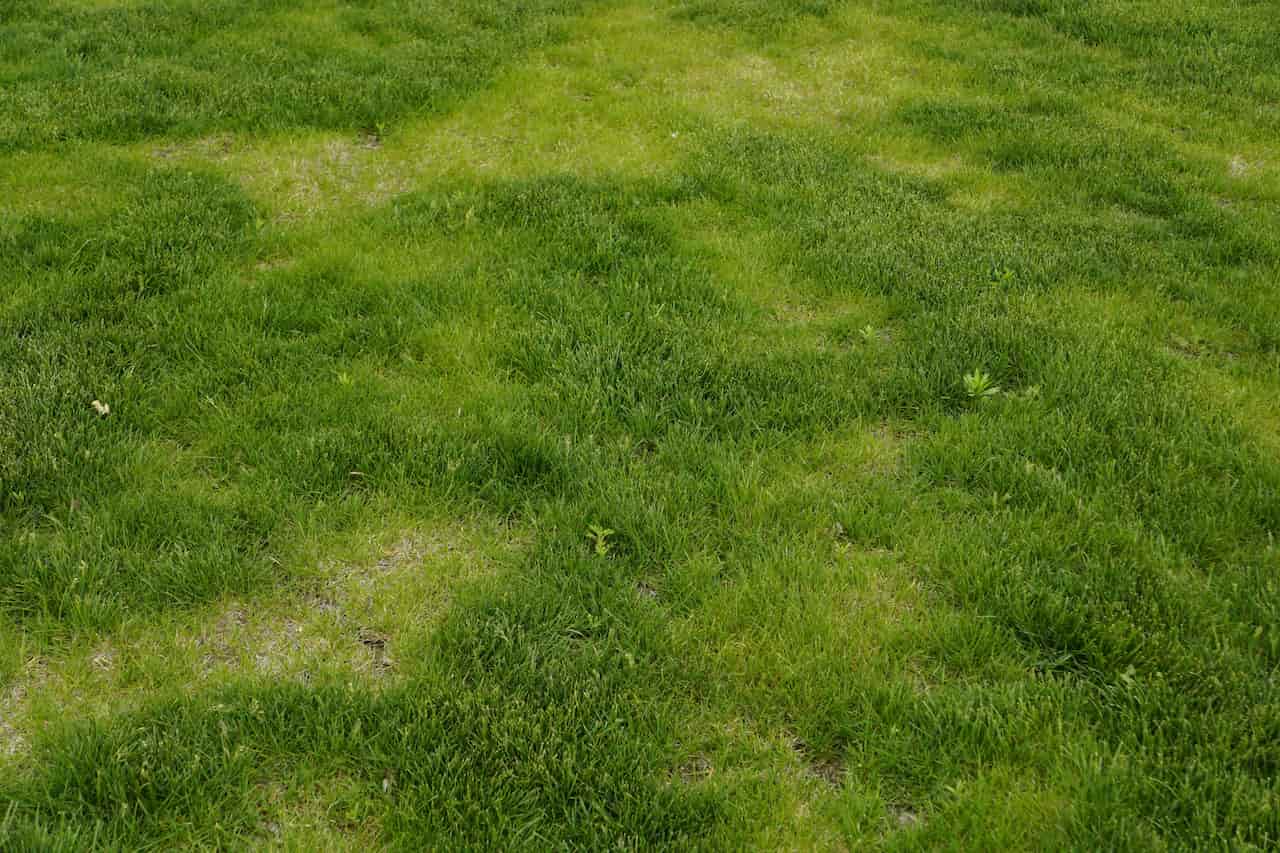
Bare patches in a lawn are one of the most visible and frustrating lawn problems, but they are also one of the most straightforward to fix – provided the underlying cause is identified and addressed before the repair is made. A patch reseeded without any preparation will often fail to establish, be recolonised by the same cause that created the problem, or germinate poorly because the soil conditions have not been corrected. Understanding why the grass died or failed to grow in that spot in the first place is the most important step in getting a lasting result.
The good news is that grass is one of the most resilient plants in the garden. Given the right conditions – reasonable soil preparation, moisture, light and a matching seed mix – it establishes quickly and vigorously. In April and May, or in the September to October window, a well-prepared bare patch can go from bare soil to established grass in four to six weeks. This guide covers the full process from diagnosing the cause through to aftercare and prevention.
Identifying the cause
The pattern, position and timing of bare patches all give useful information about what caused them. Random patches appearing after winter are often caused by lawn diseases, pest activity or waterlogging. Patches along paths or under garden furniture are almost always caused by compaction and wear. Circular patches appearing in summer are a strong indicator of chafer grub or leatherjacket damage. A patch in a shaded area that never seems to recover is a light problem rather than a soil problem. Identifying the cause determines the repair approach and whether any additional treatment is needed before reseeding.
Repair methods compared
For the vast majority of bare patches, overseeding with a matched grass seed mix is the right approach. It is cheap, effective and produces a seamless result that blends with the surrounding lawn when the right seed type is used. Turf patching is faster and produces an immediate visual improvement, but it costs more, requires cutting the patch to a precise rectangle, and the turf must be kept well watered for several weeks to prevent it drying out before the roots establish. Ready-mixed lawn repair products containing seed, compost and fertiliser in one bag are a useful convenience option for occasional small patches but are more expensive per square metre than buying seed and compost separately.
Reseeding bare patches step by step
Timing matters for overseeding. Grass seed germinates best when soil temperature is above 8-10°C and moisture is reliable – which in the UK means April through May and September through October are the two ideal windows. Avoid reseeding in the height of summer when heat and drought stress can prevent germination, and avoid winter when soil is cold and wet.
Start by removing any dead grass, moss or debris from the patch using a hand rake or scarifier. Loosen the top 5cm of soil with a fork or rake – the seed needs contact with loose, friable soil to germinate effectively. If the soil is compacted, drive a garden fork in to 15cm depth and rock it gently in several places across the patch to loosen it without inverting it. Rake the surface level and remove any stones or lumps.
Apply a thin layer of lawn top dressing – a mix of fine loam and compost – to a depth of 5-10mm and work it into the loosened soil surface. This creates an ideal seedbed with good nutrient content and moisture retention. Scatter seed at the recommended rate for the product, typically 35g per square metre for overseeding. Lightly rake the seed in so it has good soil contact but is not buried more than 5mm deep. Water gently with a fine rose watering can or hose attachment – do not wash the seed into channels. Keep the patch consistently moist until germination is complete and the seedlings are well established.
Match your seed mix to the existing lawn. A patch reseeded with the wrong grass type will germinate well but look visibly different from the surrounding turf – a different shade of green, different leaf texture or different growth rate. Check whether your lawn is predominantly ryegrass (dark green, wide-leaved, hard-wearing) or fine fescue (lighter green, narrow-leaved, for ornamental lawns), and choose a seed mix that matches. Most good seed suppliers describe the grass type blend on the packaging.
Using turf patches
Turf patching is the faster alternative to seed and gives an immediately tidy result. It is particularly useful for patches in prominent positions where an area of bare soil or sparse new seedlings would look unsightly for several weeks. The technique requires cutting the damaged area to a neat rectangle or square using a half-moon edging iron or sharp spade, removing the damaged turf to a depth of 4-5cm, and cutting a fresh piece of turf to exactly the same size. Firm the new turf into place so its surface sits fractionally below the surrounding lawn – the turf will expand slightly as it takes up moisture and settles. Brush a little fine soil into the joints and water thoroughly.
The critical requirement for turf patching is consistent watering for the first two to three weeks while the roots establish contact with the soil beneath. A new turf patch that dries out in the first fortnight will turn brown and fail, requiring the whole process to be repeated. Water every day in dry weather, twice daily in warm conditions, until you can feel resistance when you gently tug a blade of grass – this indicates the roots have taken hold.
Aftercare and preventing recurrence
Once a reseeded patch has established, avoid mowing it until the new grass has reached 7-8cm in height and has been in place for at least three weeks. When first mowing a reseeded patch, set the blade high – no lower than 5cm – and avoid turning sharply on the new growth. Delay any weedkiller application to the patch for at least six months after seeding, as most selective lawn weedkillers will damage newly germinated grass.
Preventing the same patch from reappearing depends entirely on what caused it. For compaction patches, aerate the area annually and consider a more permeable surface for high-traffic routes such as stepping stones. For dog urine patches, watering the affected area immediately after the dog uses it dilutes the nitrogen load significantly and prevents scorching. For pest-related patches, treat the underlying pest issue before the lawn repair season arrives. For shade patches, accept that standard grass will keep failing and either improve the light or switch to a shade-tolerant alternative.
Common mistakes to avoid
Share on socials: