At a glance
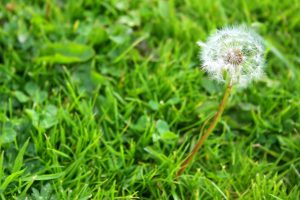
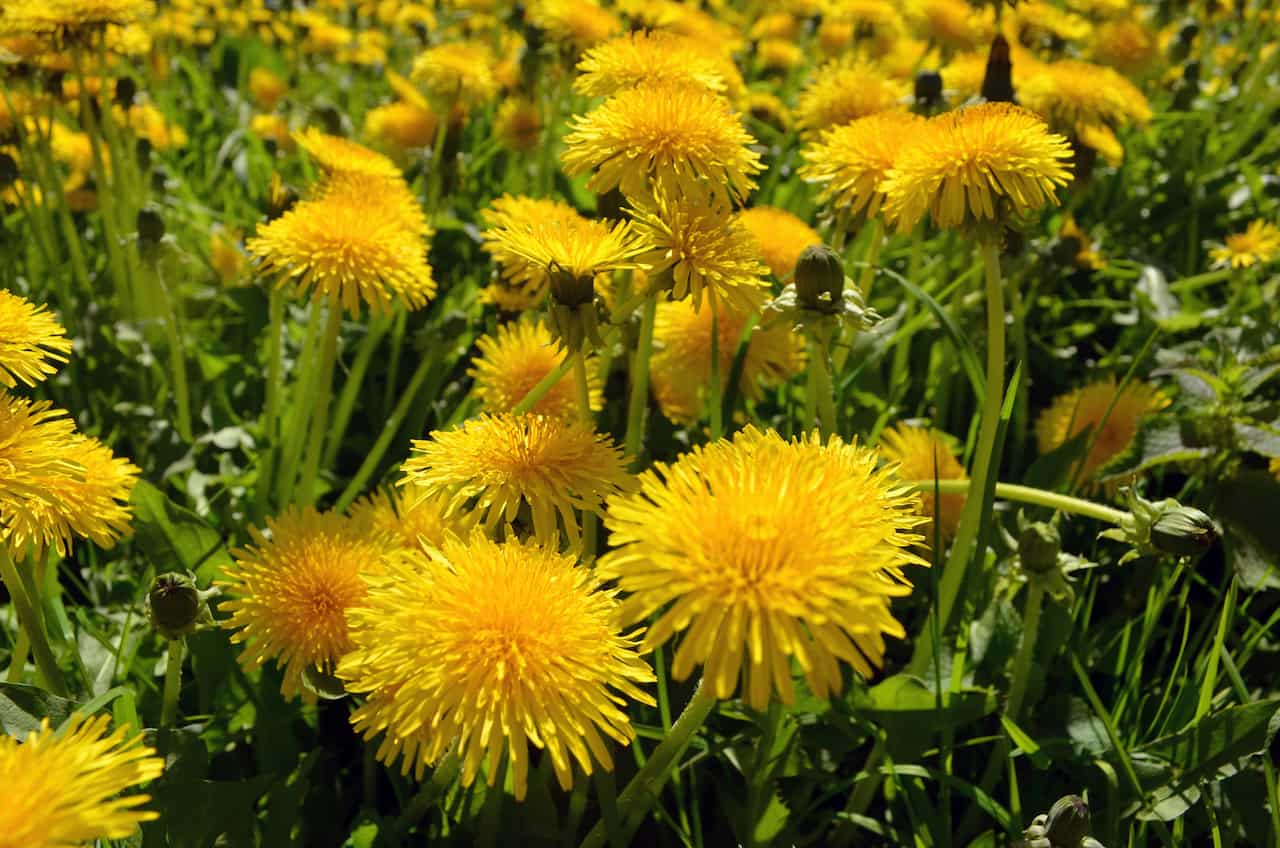
Dandelions are the most recognisable and persistent broadleaf weed in UK lawns. A single plant can produce over 150 seeds per flower head, each carried on a parachute filament that travels hundreds of metres on the wind, and the taproot can reach 30cm or more into the soil. This combination of prolific seeding and deep anchoring is what makes dandelions so frustrating to manage – a lawn that appears clear in May can be covered again by July if the surrounding neighbourhood has dandelions going to seed. The good news is that with the right approach and the right timing, dandelions are reliably controllable in any UK lawn.
The key is understanding that dandelion control is a two-stage process: removing or killing the existing plants, and then preventing re-establishment by maintaining a thick, competitive sward that leaves no bare soil for new seedlings to take hold. A thin, open lawn with patches of bare ground or sparse grass is a dandelion nursery – the same conditions that allow dandelions to thrive also allow clover, plantain and moss to establish. Addressing the underlying lawn quality alongside the dandelion removal gives the best long-term result.
Why dandelions are so hard to kill
The dandelion taproot is the reason that casual pulling rarely works. The root tapers from a thick crown just below the soil surface to a fine tip at depth, and it is almost impossible to grip and extract the entire root by hand without a tool. Any section of root left in the soil – even a small fragment – is capable of regenerating a new plant. A dandelion pulled at the crown with 15cm of root left behind will regrow within two to three weeks, and the process of pulling it can actually stimulate more vigorous regrowth in some cases.
The plant’s flowering strategy adds another layer of difficulty. Dandelions can produce flowers and set viable seed within days of the flower head opening, and a plant under stress – one that has been partially removed or disturbed – will attempt to set seed urgently as a survival response. A half-pulled dandelion with a flower bud developing is a seed-dispersal risk. The most effective control strategy takes both the root biology and the seeding behaviour into account.
Removal methods compared
Manual removal – doing it properly
A purpose-made dandelion weeder – sometimes called a daisy grubber or lawn weeding tool – is the most effective non-chemical method. These tools have a long, thin forked or notched blade designed to be pushed down alongside the taproot and used as a lever to pop the entire root out of the soil intact. The key is to push the blade as deep as possible – ideally the full 15-20cm of the root – before levering. A twisting motion as you lever helps break the suction of the soil around the root and brings it out cleanly.
Water the lawn the day before manual removal if the soil is dry – a dandelion taproot in moist soil comes out far more completely than one in hard, dry ground. Work systematically across the lawn and drop each removed plant – root and all – into a bag rather than leaving it on the grass surface, as the crowns can re-root if left in contact with soil and any seed heads present will continue to ripen and disperse after the plant is pulled. After removing dandelions, the extraction holes leave small bare patches that should be filled with a pinch of grass seed and firmed down – a bare patch is a new dandelion invitation. Fixing bare patches immediately after weeding is one of the most important prevention steps.
Chemical control – selective weedkillers
Selective broadleaf lawn weedkillers are the most effective treatment for a lawn with many dandelions where manual removal would be impractical. These products contain active ingredients such as 2,4-D, mecoprop-P or dicamba – sometimes in combination – which are absorbed through the leaves and translocated to the root, killing the whole plant including the taproot over two to four weeks. Crucially, these herbicides affect broadleaf plants but not grasses, so the lawn remains undamaged while the dandelions die. They are available as ready-to-use sprays, concentrated liquids for dilution, and weed-and-feed granule combinations that treat and fertilise the lawn simultaneously.
Apply selective weedkiller when the dandelions are actively growing and the leaves are fully open – spring (April to June) and early autumn (September) are both effective treatment windows. Do not apply in drought conditions, when rain is forecast within 24 hours, or to newly seeded areas. The dandelion leaves must be fully expanded and dry at the time of application to absorb the herbicide effectively. In a typical lawn with scattered dandelions, a spot treatment with a ready-to-use spray targeting individual plants is preferable to treating the whole lawn – it uses less product and reduces exposure of non-target areas to the chemical.
When to treat and prevention
Long-term prevention relies on maintaining a dense, vigorous lawn. Dandelions establish from seed in bare soil, thin grass and the edges of worn areas – a thick sward with no bare patches leaves no germination sites. Aerating compacted areas, overseeding thin patches and applying a spring lawn feed to encourage strong growth are the most effective preventive measures. A lawn mown at a slightly higher cutting height – 40-50mm rather than the shortest setting – also shades the soil surface and reduces the germination success of wind-blown dandelion seed.
Deadhead dandelion flowers before they set seed – it buys time while you treat. A dandelion that has flowered but not yet set seed can have its flower head snapped off to prevent that particular seeding event. This does not kill the plant, which will simply produce more flowers, but it prevents the immediate seed release while you plan treatment. In a lawn with many dandelions in April, snapping off all the flower heads on the first pass and then applying selective weedkiller the following week is an effective two-step approach that dramatically reduces that season’s seed load.
Common problems and solutions
Share on socials: